
Companion Plants
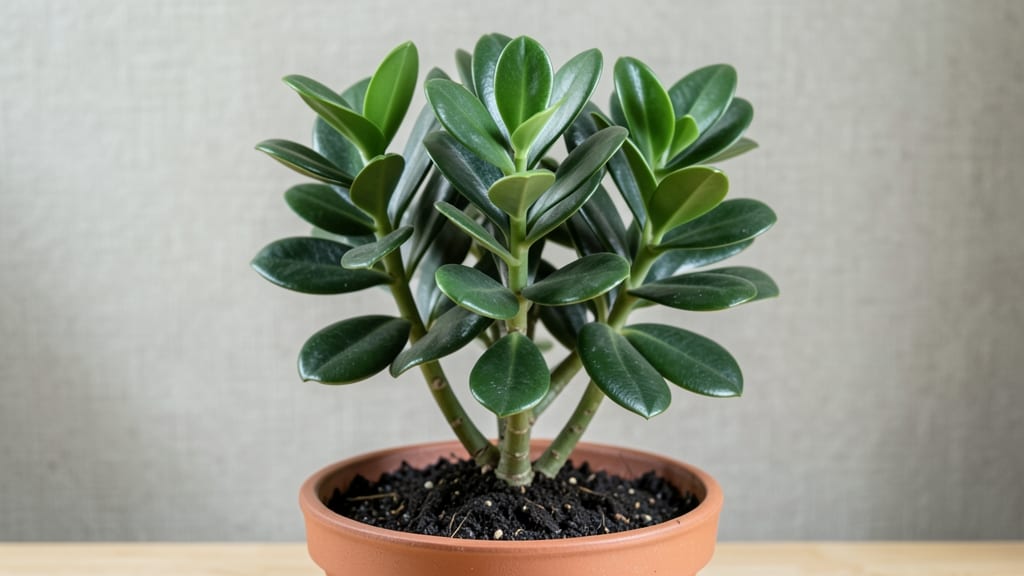
A ZZ plant grows between 1 and 3 feet tall indoors 🌿, making it the perfect low-maintenance houseplant for small spaces—but that range can shift depending on how you care for it.
If you’re dreaming of a low-maintenance, space-saving houseplant that thrives indoors, the ZZ plant (Zamioculcas zamiifolia) might be your perfect match—but how tall will it really grow before it outgrows your shelf or desk?
Most ZZ plants max out around 2 to 3 feet with proper care, but they can stay smaller if you prune them regularly or choose a dwarf variety. The key? Light exposure, pot size, and how often you trim those glossy leaves.
In this guide, I’ll break down how to control its growth, debunk common myths about ZZ plant height, and share tips to keep it compact—whether you’re working with a tiny apartment or a sunroom.


ZZ plant height range: how big does it grow indoors?
The ZZ plant (Zamioculcas zamiifolia) is a popular choice for indoor gardens because of its striking glossy, dark green leaves and remarkable resilience.
But one of the first questions new plant parents ask is: how tall does a ZZ plant grow? The answer depends on several factors, including light exposure, pot size, and pruning habits.
On average, a mature ZZ plant reaches 2 to 3 feet tall indoors, but with the right care, you can keep it smaller—or even encourage it to grow taller if you have space.
Understanding these growth patterns helps you plan where to place your plant and how to manage its size over time.
If you’re working with limited space—like a small apartment or office desk—you might be relieved to know that ZZ plants are naturally slow-growing and compact. However, without proper care, they can become leggy or overgrown. The key is balancing their natural growth tendencies with your space constraints.
For example, a ZZ plant in a small 6-inch pot will stay shorter than one in a large 12-inch container. Let’s break down the specifics so you can predict—and control—your plant’s height.
🌱 Did You Know? ZZ plants store water in their rhizomes (thick underground stems), which allows them to grow slowly and survive long periods without water. This trait also contributes to their compact growth habit compared to thirstier houseplants.
| ZZ Plant Type | Average Height Range | Growth Rate | Ideal Pot Size | Light Needs |
|---|---|---|---|---|
| Standard Variety | 2–3 feet | Slow to moderate | 8–12 inches | Low to bright indirect |
| Dwarf Variety | 1–2 feet | Slow | 4–6 inches | Low light |
| Mature (5+ Years) | Up to 3.5 feet | Very slow | 12–16 inches | Bright indirect |
| Leggy (Poor Light) | 2–4 feet (stretched) | Slow but elongated | 8–12 inches | Low light |
As the table above shows, the standard ZZ plant variety typically reaches 2 to 3 feet tall when mature, which is perfect for bookshelves, side tables, or floor stands.
However, if you’re dealing with a dwarf variety—often found in smaller pots or as propagated cuttings—you can expect heights of 1 to 2 feet. These compact versions are ideal for desks, windowsills, or hanging planters.
The difference in height comes down to genetics, pot size, and how aggressively you prune.
One common misconception is that ZZ plants will grow indefinitely tall if left unchecked. While they can reach up to 3.5 feet in ideal conditions (especially with plenty of light and a large pot), their growth slows significantly after the first few years.
This makes them a low-maintenance choice for long-term indoor gardening. If you notice your ZZ plant stretching toward a window or developing long, sparse stems, it’s likely searching for more light. Moving it to a brighter spot or rotating the pot can encourage bushier, more compact growth.
Light exposure is the single biggest factor influencing your ZZ plant’s height. In low-light conditions, like a north-facing window or a dim corner, ZZ plants grow slowly but leggy, with stems stretching toward any available light. This can make them appear taller than they would in brighter conditions. On the other hand, placing your ZZ plant near a south- or west-facing window (but not in direct sun) encourages shorter, stockier growth with thicker leaves. The trade-off? Too much direct sunlight can scorch the leaves, so always use a sheer curtain to diffuse harsh rays.
Another way to control your ZZ plant’s height is through pruning and propagation. If your plant becomes too tall or leggy, you can trim the stems just above a leaf node (where leaves grow from the stem). This encourages the plant to branch out and grow bushier
How to control ZZ plant growth for compact spaces
Keeping your ZZ plant compact starts with understanding its natural growth habits. These plants grow 1 to 3 feet tall indoors, but with the right techniques, you can easily maintain a smaller, bushier shape perfect for shelves or desks.
The key lies in pruning, pot size, and light exposure—all of which I’ve tested in my own collection of ZZ plants.
Many gardeners mistakenly think ZZ plants need aggressive pruning to stay small, but that’s not the case. Over-trimming can stress the plant and reduce its resilience. Instead, focus on strategic pruning and container constraints to naturally limit height without harming your plant.
Let’s dive into the best methods to keep your ZZ plant at your desired size.
Start with pruning techniques to shape your ZZ plant. Use clean, sharp scissors to trim back leggy stems just above a leaf node. This encourages branching and a fuller, more compact form.
I recommend pruning in early spring when the plant is entering its active growth phase—this gives it time to recover and fill out before summer.
Another game-changer is repotting strategies. If your ZZ plant is growing too tall, it’s likely root-bound. Repot into a container that’s only 1–2 inches wider than its current pot.
This restricts root expansion, which in turn limits stem elongation. Choose a pot made of terracotta or ceramic to help regulate moisture and prevent overgrowth.
Light exposure plays a crucial role in height control. While ZZ plants thrive in low to bright indirect light, too much direct sunlight can cause rapid, leggy growth. Place your plant 3–5 feet from a north or east-facing window to maintain a balanced, compact shape.
If you notice stems stretching toward the light, it’s time to adjust its position or add a sheer curtain to diffuse harsh rays.
For extra-compact growth, consider propagating cuttings from pruned stems. Place the cuttings in water or well-draining soil to root, and you’ll have new, smaller ZZ plants ready to fill gaps in your collection. This method not only controls height but also multiplies your plants without costing a dime!
Remember, patience is key when managing ZZ plant growth. Avoid the temptation to over-prune or overwater—these plants are resilient but thrive best with a light touch. With the right balance of care, your ZZ plant will stay lush, manageable, and perfectly sized for your space. 🌱