
Plants
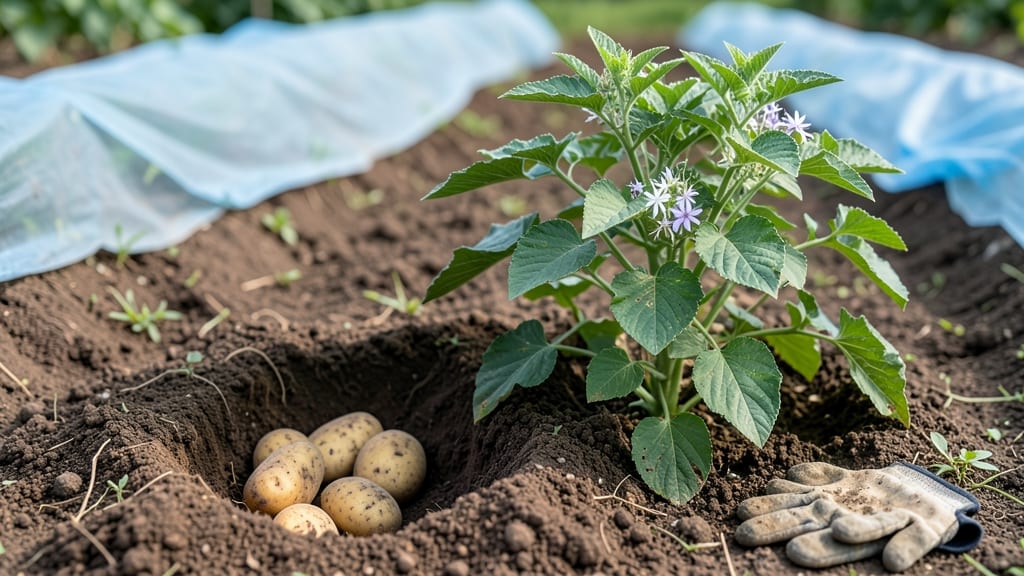
You can plant potatoes in Michigan once the soil reaches 45°F and the last frost has passed — typically mid-April to early May for most of the state.
Michigan’s unpredictable spring weather makes timing everything. Plant too soon, and a late frost will kill your 🥔 crop; too late, and you’ll miss the sweet spot for a full harvest. The key is knowing your zone’s average last frost date and adjusting for early or late varieties.
In USDA zones 5b-6b, like most of Michigan, early varieties (like Yukon Gold) can go in as soon as the ground is workable, while late varieties (like Russets) need a longer season. Container gardening or row covers can also stretch your planting window if you’re eager to get started.
Below, I’ll break down the exact frost-free timeline for Michigan’s regions, how to prep your soil, and the best varieties to choose for your area—so you can avoid common mistakes and maximize your yield.
Michigan potato planting dates by hardiness Zone: exact frost-free timing
Michigan’s diverse climate—from the Upper Peninsula’s chilly USDA Zone 4 to the Lower Peninsula’s milder Zone 6—means potato planting dates vary dramatically. Plant too early, and a late frost will kill your crop; too late, and you’ll miss the 90-120 day growing window.
I’ll break down the exact frost-free timing for each zone, including soil temperature requirements and regional tweaks to maximize your yield.
Potatoes thrive in cool soil temperatures (45–55°F) but can’t survive frost. The key is planting when the ground warms but air temperatures stay above 50°F consistently.
In Michigan, this typically falls between mid-April and early May, but your exact timing depends on whether you’re in Zone 4 (UP), Zone 5 (northern LP), or Zone 6 (southern LP). Let’s dive into the specifics.
Pro Tip: Use the Michigan State University Extension’s frost maps (linked below) to pinpoint your last frost date. For most of Michigan, the average last frost is April 15–May 1, but the Upper Peninsula can see frost as late as May 10. Always have a row cover ready for unexpected cold snaps!
| Zone | Last Frost Date | Planting Window | Soil Temp | Regional Notes |
|---|---|---|---|---|
| Zone 4 (Upper Peninsula) | May 1–10 | Late April–early May | 45–50°F | Use early varieties (60–90 days) and row covers. |
| Zone 5 (Northern LP) | April 20–May 1 | Mid-April–early May | 45–55°F | Ideal for medium varieties (90–110 days). |
| Zone 6 (Southern LP) | April 10–20 | Early April–mid-May | 50–55°F | Best for late varieties (110–120 days) and fall planting. |
For Zone 4 gardeners in the Upper Peninsula, patience is key. The soil may warm by late April, but air temperatures can still dip below freezing.
I recommend waiting until May 1 or using a cold frame to get a head start on early varieties like ‘Yukon Gold’ or ‘Red Norland’ (both mature in 90 days).
In Zone 5 (northern Lower Peninsula), you’ve got a slightly longer window. Aim to plant by April 20 for medium-maturing varieties like ‘Kennebec’ or ‘Russet Burbank’. These varieties need 100–110 days to harvest, so timing is critical to avoid late-season blight.
Gardeners in Zone 6 (southern Michigan) have the most flexibility. You can plant as early as April 1 for early varieties or push to mid-May for late-season potatoes like ‘Purple Viking’ (great for storage). Just beware of heat stress—potatoes prefer cool (60–75°F) temperatures and can bolt in hot summers.
Don’t forget about fall planting in Zone 6! If you’re eager for a second harvest, plant seed potatoes in early August for a late-October harvest before the first frost. This works best with early-maturing varieties like ‘New Potatoes’ or ‘Fingerlings’.
To check if your soil is ready, use a soil thermometer. Potatoes need 45–55°F soil to sprout consistently. If it’s colder, wait a week or use black plastic mulch to warm the soil faster.
Pro tip: Chit your seed potatoes (sprout them indoors in light) 4–6 weeks before planting to jumpstart growth.
For real-time updates, bookmark the Michigan State University Extension’s frost date calculator ([link](https://www.canr.msu.edu/weatherandatmosphericcirculation/frostdate_calculator)). It’s a game-changer for adjusting your planting schedule based on local microclimates—like urban areas that stay warmer or lakeside zones with delayed springs.
Finally, if you’re in doubt, plant a test row 2 weeks before your target date. Cover it with a frost blanket if nights dip below 40°F. This way, you’ll know exactly when your soil and air temps align for successful germination without risking frost damage.
How to adjust planting time for early vs. late varieties in Michigan
Michigan’s short growing season demands careful planning when choosing potato varieties. Early-maturing types (like Yukon Gold) need to be planted as soon as soil is workable, while late varieties (such as Russet Burbank) require a later start to avoid blight risks.
The key is matching your variety to Michigan’s 165-day frost-free window—a misstep can mean lost yields or diseased crops.
For 90-day varieties, aim to plant 2-3 weeks after your last frost date (typically mid-April in southern Michigan, early May in the UP). This timing ensures tubers mature before early September frost.
Late varieties (120+ days) need a June planting to finish by frost, but this risks late blight—Michigan’s biggest potato enemy.
Soil temperature is your secret weapon: potatoes need 45°F+ soil to sprout. Use a soil thermometer to confirm readiness. In colder UP regions, wait until late May for early varieties, while southern Michigan can start in early April under row covers for a head start.
| Variety Type | Planting Window | Days to Maturity | Blight Risk | Best Michigan Regions |
|---|---|---|---|---|
| Early Varieties (e.g., Red Pontiac) | Mid-April to early May | 90 days | Low (if harvested early) | Southern MI, Lower Peninsula |
| Mid-Season (e.g., Kennebec) | Late April to early June | 110 days | Moderate (avoid late plantings) | All regions |
| Late Varieties (e.g., Russet Burbank) | Early to mid-June | 120+ days | High (plant only in dry years) | Southern MI only |
My top recommendation for Michigan gardeners: prioritize 90-110 day varieties like Fingerling or Kennebec. These balance yield and disease risk.
For late varieties, only attempt them in southern Michigan with row covers—and be prepared to harvest early if blight appears. Succession planting every 2 weeks from April to June ensures a continuous harvest.
Watch for blight warning signs: dark spots on leaves or stems mean immediate harvest. In wet years, avoid planting late varieties entirely—they’re a gamble. For containers, stick to early varieties (they thrive in pots) and start them indoors 4-6 weeks before last frost for a guaranteed harvest.
Remember: Michigan’s short season rewards precision. Use MSU Extension’s frost maps to pinpoint your exact window, and always plant seed potatoes (not grocery store spuds) for the best results. With the right timing, you’ll beat the clock and enjoy homegrown spuds from July through September! 🥔