
Plants
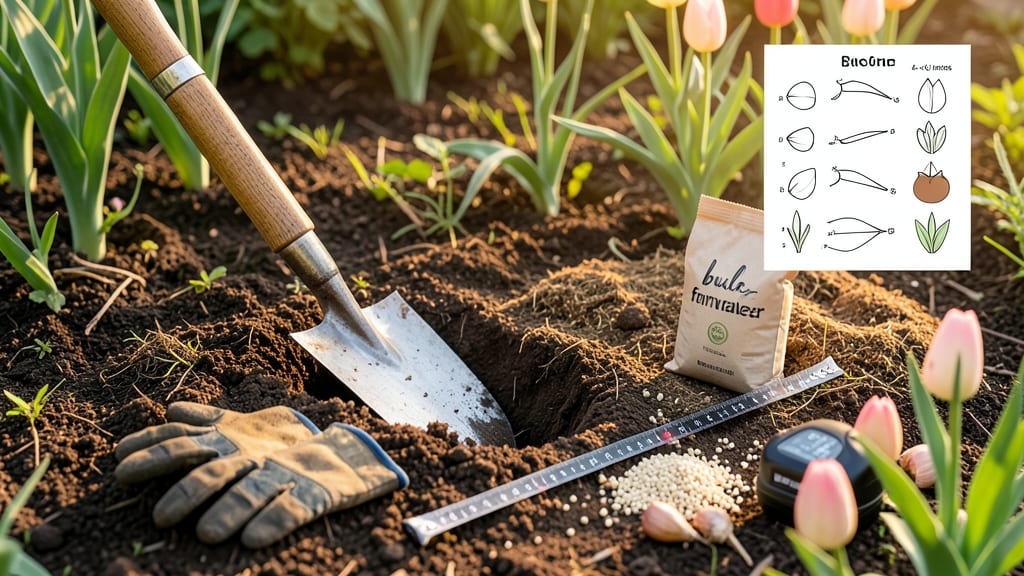
You can plant tulips in the ground 4 to 6 weeks before your first frost—that’s the golden window for vibrant spring blooms 🌷.
Timing is everything when planting tulips—get it wrong, and you’ll either risk frost damage or miss the blooming season entirely. Use this USDA zone guide to pinpoint the exact week to plant tulip bulbs for vibrant spring flowers.
In Zone 6a, like much of the Midwest, that means digging in bulbs between mid-September and early November, when soil temps hover around 50°F. Too early, and roots won’t establish before winter; too late, and they’ll rot before spring.
Below, I’ll break down the perfect planting window by region, soil readiness cues, and even whether containers work—plus the one mistake that kills tulips every year.
USDA Zone planting calendar: when to plant tulips by region
Planting tulip bulbs at the right time ensures they establish strong roots before winter and bloom beautifully in spring. The key is timing—too early, and they’ll rot; too late, and they won’t flower.
Your USDA zone determines the perfect window, with soil temperature and frost dates as your guides. For most regions, aim for 4-6 weeks before the first hard frost, but regional variations matter.
For example, gardeners in Zone 3 (like Minnesota or Maine) have just a few weeks in early fall, while those in Zone 9 (like Southern California) can plant as late as December.
Below, I’ve broken down the ideal planting windows by zone, including soil temperature thresholds (40–50°F) and regional adjustments for areas with unpredictable weather, like the Pacific Northwest’s wet winters or the Deep South’s mild falls.
To find your exact frost dates, use the USDA Plant Hardiness Zone Map or tools like the National Weather Service’s frost calculator. Simply input your zip code, and it’ll show your average first frost date.
For instance, if your first frost is November 15, plant tulips by early October. Pro tip: Container gardeners can extend their planting window by 2–4 weeks, as pots warm up faster in spring.
If you’re in Zone 3 or 4, like much of the Midwest or Northeast, prioritize planting by mid-October. These areas experience harsh winters, so bulbs need time to root before the ground freezes.
In Zone 5 or 6 (think Colorado or the Great Lakes), aim for late September to mid-October, but watch for early freezes—some years, you might need to plant by Halloween.
Gardeners in Zones 7–8, such as the Southeast or Pacific Northwest, have more flexibility. Plant in October or early November, but avoid late freezes. For example, in Portland, Oregon, wet winters can delay planting, so wait until soil temperatures drop below 55°F.
Meanwhile, in Zone 9 or 10 (like Southern California or Arizona), you can plant as late as December, but choose dwarf varieties for milder winters.
Regional quirks matter! In the Pacific Northwest, where winters are wet but mild, plant 2–3 weeks later than the zone average to avoid soggy soil.
In the Deep South, where winters are short, opt for early-blooming varieties and plant by November 1st to ensure they flower before summer heat arrives. For container gardeners, plant bulbs in pots by mid-October in cooler zones or November in warmer areas.
One common mistake? Planting too late. If you miss the window, your tulips may not bloom—or worse, they’ll rot in cold, wet soil. To avoid this, mark your frost date on your calendar and count backward 6 weeks.
For extra security, use a frost alert app like Old Farmer’s Almanac or check your local Cooperative Extension Service for hyper-local advice.
Finally, don’t overlook soil preparation. Tulips thrive in well-draining soil with a pH of 6.0–7.0. Mix in compost or sand if your soil is heavy clay, and avoid planting in low spots where water pools.
With the right timing and care, your tulips will reward you with bold, vibrant blooms next spring—no matter your zone!
Signs your soil is ready for tulip bulbs (beyond the calendar)
Planting tulip bulbs isn't just about following a calendar—your soil temperature and moisture levels are the real indicators. While most gardeners rely on frost dates, these practical field cues ensure your bulbs establish roots before winter sets in.
I’ve learned the hard way that planting too early in cold climates can lead to rot, while waiting too long risks shallow roots that won’t support next spring’s blooms.
The ideal soil temperature for tulip bulbs ranges between 40-50°F. This threshold signals that the ground is cool enough to prevent premature sprouting but still workable for digging.
In my USDA Zone 6a garden, this typically falls in mid-October, but your exact timing depends on local microclimates and recent weather patterns.
To test soil readiness, stick a thermometer 6 inches deep—the depth where you’ll plant your bulbs. If the temperature hovers around 50°F during the day and drops closer to 40°F at night, it’s time to plant.
I also check for moist but not soggy soil; tulips hate waterlogged conditions, which can cause bulb rot.
Tulip bulbs planted in soil above 50°F may sprout prematurely, only to be killed by early frosts. In USDA Zones 3-5, wait until 4-6 weeks before your first hard frost—even if the calendar suggests earlier. I once planted in early September in Zone 5 and lost 70% of my bulbs to a surprise October freeze.
Solution: Use mulch (straw or shredded leaves) to insulate the soil after planting. This buys your bulbs extra time to root without overheating.
Another key sign is soil moisture. After a week without rain, dig a small hole and feel the soil. It should be damp but crumble easily—not sticky or dry. If it’s bone-dry, water the area thoroughly 24 hours before planting to give your bulbs a head start.
I test this by squeezing a handful; if it holds its shape, it’s too wet.
Watch for local wildlife activity too. When squirrels and chipmunks start burying nuts and seeds, it’s often a sign the ground is cooling. These critters instinctively know when conditions are right for planting. In my experience, their behavior aligns closely with the 40-50°F soil temperature window.
Finally, avoid planting if the forecast predicts rain within 48 hours. Wet soil compacts easily, making it harder for bulbs to establish roots. Instead, mark your calendar 2 weeks out and monitor the weather.
I keep a small planting journal to track soil temps and moisture—it’s saved me from multiple planting mistakes over the years.
Remember, tulips are perennials, and well-established bulbs will reward you with blooms for years. Taking the time to check these soil readiness signs ensures your garden’s spring color show isn’t just beautiful—it’s reliable. Happy planting! 🌷