
Plants
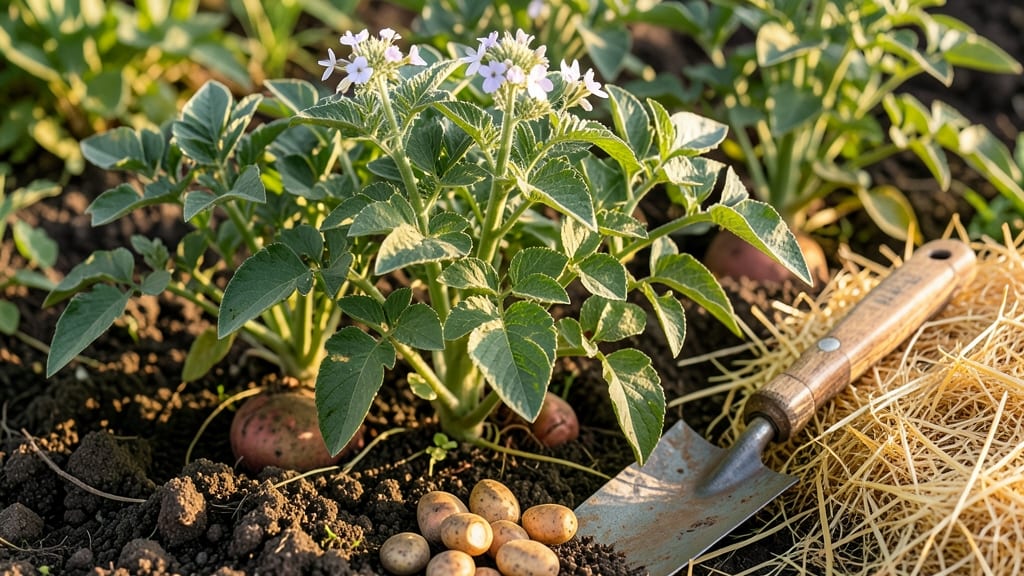
Plant potatoes in Missouri when the soil reaches 45°F and the last frost date is 4-6 weeks away — typically between mid-March and early April for most of the state.
Missouri gardeners know timing is everything — plant too early, and frost will ruin your crop; too late, and you’ll miss peak harvest season. Mastering the perfect window ensures bumper yields, whether you’re growing spuds for fresh eating or storage.
In Zone 5b-6b, early varieties can go in as soon as the ground is workable in February, while late-season types wait until April. Cold-hardy varieties like Yukon Gold thrive with a little patience, but even they need warm soil to break dormancy.
Below, I’ll break down the exact dates by region, soil prep tips to speed up warming, and how to stretch your growing season with row covers or mulch — so you can dig up perfect potatoes by July.
Missouri potato planting calendar: exact dates by hardiness Zone
Missouri's diverse hardiness zones (5a, 5b, and 6a) create distinct planting windows for potatoes. In Zone 5a, where frost lingers longer, timing is critical—plant too early, and frost will kill tender sprouts. Meanwhile, Zone 6a gardeners enjoy a slightly extended season, allowing for succession planting of multiple varieties.
The key is aligning your planting schedule with soil temperatures (aim for 45-50°F) and last frost dates.
For seed potatoes (not transplants), the window opens in late February to early March in southern Missouri (Zone 6a) and shifts to mid-March to early April in northern areas (Zone 5a). Transplants, if used, can go in 2-3 weeks later once soil warms.
Early varieties like Yukon Gold thrive with this timing, while late varieties (e.g., Kennebec) benefit from a staggered start.
Missouri’s frost risk varies dramatically by zone. In Zone 5a, the average last frost date is April 15, while Zone 6a sees frost-free soil by April 1.
Planting 2-4 weeks before these dates ensures tubers establish roots before frost returns. Use black plastic mulch or row covers to warm soil faster in cooler zones.
Soil temperature is non-negotiable for potatoes. They won’t sprout until soil reaches 45°F, but ideal germination occurs at 50-55°F. In Zone 5b, test soil in late March—if it’s below 45°F, delay planting.
A soil thermometer is your best tool. Pro tip: Plant early varieties first in Zone 5a to maximize yield before summer heat sets in.
| Zone | Last Frost Date | Ideal Planting Window | Soil Temp Requirement | Best Varieties |
|---|---|---|---|---|
| 5a | April 15 | March 15 - April 1 | 45-50°F | Red Pontiac, Kennebec |
| 5b | April 1 | March 1 - March 25 | 50-55°F | Yukon Gold, Fingerlings |
| 6a | March 15 | February 20 - March 10 | 45-50°F | Adirondack Blue, Purple Viking |
Adjust your planting schedule based on early vs. late varieties. Early potatoes (e.g., Red Norland) mature in 60-70 days and can be planted as soon as soil is workable.
Late varieties (e.g., Russet Burbank) need 90-120 days and should go in late March to early April in Zone 5a. Stagger planting dates by 2 weeks for a continuous harvest.
Missouri’s summer heat can stress potato plants, so avoid planting late. In Zone 6a, stop planting by mid-April to prevent tuber formation during extreme heat. Instead, focus on succession planting of early varieties in Zone 5a for a fall harvest before the first frost (October 30-November 10).
For transplants, which are less common but useful for late starts, wait until soil reaches 55°F and all frost risk has passed. In Zone 5b, this means planting late April to early May.
Transplants are ideal for late-season varieties but require extra care to establish roots quickly in Missouri’s unpredictable spring weather.
Don’t overlook fall planting for cold-hardy varieties like German Butterball. In Zone 6a, you can plant late August to early September for a winter harvest before the ground freezes.
These potatoes thrive in cool soil and store well. Just ensure they’re planted 4-6 weeks before the first frost to allow tuber formation.
Missouri’s microclimates can shift planting dates by 1-2 weeks. If your garden is in a low-lying area, frost lingers longer—plant 2 weeks later than the zone average.
Conversely, south-facing slopes warm faster, so you can plant 2 weeks earlier. Use a frost calendar from your local Missouri Extension office for hyper-local advice.
Remember: Potatoes hate cold soil. If you plant too early and soil temperatures drop below 4
How to time potato planting for maximum yield in Missouri’s climate
Missouri’s variable climate demands precise timing for potato planting. The key is balancing soil warmth with frost risk—plant too early, and cold snaps will stunt growth; too late, and you’ll miss peak harvest potential.
I’ve learned that March through early April offers the sweet spot for most of the state, but local microclimates can shift that window by weeks.
Start by testing your soil temperature—potatoes thrive when it reaches 45°F (7°C) at least 6 inches deep. Use a soil thermometer for accuracy, especially in northern Missouri (Zone 5b), where cooler springs delay planting.
In southern Missouri (Zone 6a), you might even squeeze in a late winter planting under row covers for an early harvest.
⚠️ callout warning ⚠️
⚠️ Critical Mistake: Planting Too Deep
Buried seed potatoes too deep (6+ inches) risk rotting before sprouting. The eyes (sprouts) need light to break through—aim for 4 inches deep in loose soil. In heavy clay, mound soil around plants as they grow to prevent tuber exposure while keeping sprouts accessible.
🌱 Pro Tip: Use a soil thermometer and row covers to extend your planting window by 2-3 weeks in early spring.
For maximum yield, practice succession planting—stagger plantings every 2-3 weeks from March to May. This ensures a continuous harvest and reduces disease pressure from overcrowded plants. I plant early varieties (60-70 days) first, followed by mid-season (90 days), and finally late varieties (110+ days) for fall storage.
Extend your growing season with black plastic mulch or row covers. Lay black plastic 2-3 weeks before planting to warm soil faster—it can add 5-10°F to soil temps.
Row covers also protect young plants from late frosts (common in April) and potato beetles. Remove covers when plants flower to prevent overheating.
Common mistakes include ignoring soil warmth or planting after the last frost without adjusting for tuber development time. Potatoes need 90-120 days to mature—planting in late April or May often means harvesting in fall frost.
Always calculate backward from your first frost date (typically mid-October in Missouri) to avoid rushed harvests.
My best yields come from well-drained, loose soil with compost mixed in at planting. Avoid fresh manure—it burns young roots. After sprouts emerge, hill soil around stems every 2 weeks to encourage tuber formation and prevent greening (toxic solanine buildup).
Keep soil consistently moist but never soggy during tuber bulking (June-July).