
Plants
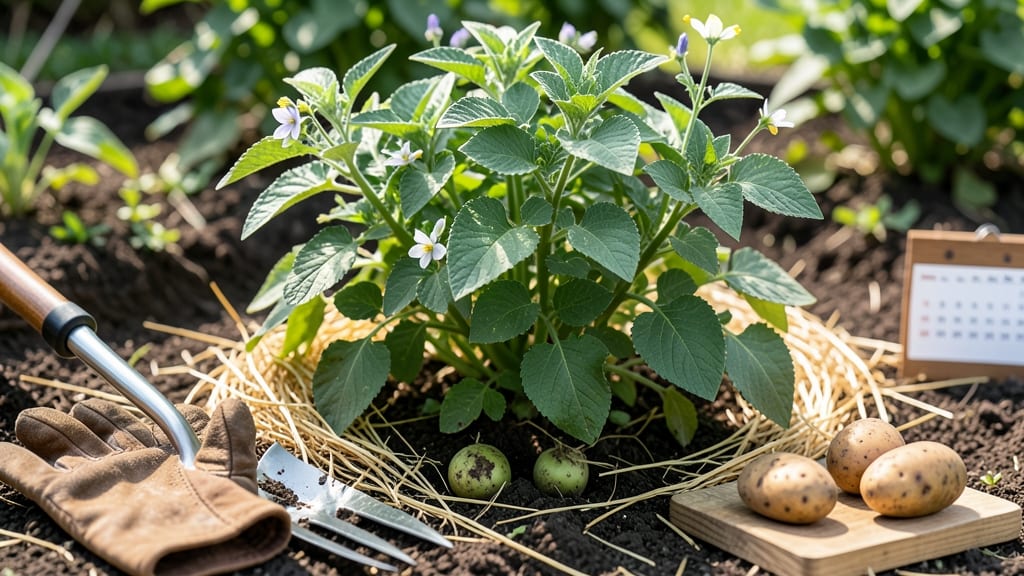
Planting potatoes in Ohio at the right time means the difference between a bountiful harvest and a wasted season—aim for early spring, when soil warms to 45°F and frost risks fade.
Ohio’s unpredictable spring weather can turn your potato planting into a gamble—unless you follow the exact frost-free timeline that maximizes yield and avoids blight. Timing isn’t just about the calendar; it’s about soil temperature, last-frost dates, and variety-specific readiness.
For USDA zones 6a-6b, that window opens around mid-March, when chitting (pre-sprouting) seed potatoes indoors gives you a 3-4 week head start. Direct planting should wait until after the last frost, typically by mid-April, but early varieties like ‘Yukon Gold’ can handle cooler soils.
Here’s what you’ll learn: the step-by-step schedule for Ohio’s climate, how to adjust for microclimates (like Lake Erie’s slower warming), and the one mistake that ruins more gardens than frost ever does.
Ohio’s ideal potato planting window: frost dates, soil temps & variety needs
Ohio’s USDA Zones 5-6 create a unique challenge for potato growers—late frosts in April and humid summers demand precise timing. Planting too early risks frost damage, while waiting too long cuts harvest season short.
The key? Aligning your schedule with soil temperatures (not air temps) and regional microclimates like Lake Erie’s cooler zones or Appalachian Ohio’s slightly warmer springs.
Most Ohio gardeners aim for 2-4 weeks before the last frost date, typically around mid-April (April 15) in most areas. However, this varies by elevation and proximity to water.
For example, Toledo’s Lake Erie region often sees frost until April 25, while Athens in southern Ohio may be frost-free by April 5. Always check your local Almanac frost predictions or use a soil thermometer to confirm readiness.
Soil temperature is more critical than air temperature—potatoes won’t sprout until the soil reaches 45-55°F. Cold, wet soil (<45°F) leads to rot and poor tuber formation, while waiting until 60°F+ delays harvest. Use a soil thermometer to test at 6-inch depth—this is where seed potatoes will settle. In Ohio, this usually aligns with late March to early April, but northern Ohio may need to wait until mid-April.
Your potato variety choice also dictates timing. Early varieties like ‘Yukon Gold’ (70-90 days) can tolerate cooler soils and shorter seasons, while late varieties like ‘Russet Burbank’ (110-130 days) need warmer soil and longer growing windows. Mid-season ‘Kennebec’ (90-110 days) strikes a balance for Ohio’s climate.
Plant early varieties first (by March 15 in southern Ohio) and late varieties last (by April 30 in northern Ohio).
| Region | Avg Last Frost Date | Ideal Planting Window | Soil Temp Threshold | Best Varieties |
|---|---|---|---|---|
| Southern Ohio (Athens, Columbus) | April 5–10 | March 15–April 1 | 45–50°F | Yukon Gold, Red LaSoda |
| Central Ohio (Cincinnati, Dayton) | April 10–15 | March 20–April 5 | 48–52°F | Kennebec, Fingerling |
| Northern Ohio (Toledo, Cleveland) | April 20–25 | April 1–15 | 50–55°F | Russet Burbank, Pontiac |
| Appalachian Ohio (Zanesville) | April 1–5 | March 10–25 | 45–50°F | Adirondack Blue, Purple Viking |
Early planting (before soil warms to 45°F) triggers rot and poor tuber development, while late planting (after April 30) risks blight and smaller yields.
Ohio’s humid summers also mean early blight (a fungal disease) becomes a threat by June, so faster-maturing varieties are ideal for northern regions. For example, ‘Pontiac’ (100 days) thrives in Cleveland’s shorter season, while ‘Red LaSoda’ (90 days) works well in Columbus.
Extend your season with row covers or cold frames to plant 2 weeks earlier in cool zones. These protect young plants from late frosts (common until May 10 in northern Ohio) and soil-borne diseases.
Remove covers once flowers appear to prevent overheating. Alternatively, opt for container growing—potatoes in 5-gallon buckets warm up faster in spring and can be moved to sunnier spots if needed.
Ohio’s microclimates also affect timing. Urban heat islands (like downtown Columbus) may warm up 1
Step-by-step potato planting schedule for Ohio gardens: when to start indoors vs. direct sow
Ohio’s last frost date typically falls around April 15, but your potato planting schedule depends on whether you’re chitting indoors or direct sowing in the garden. Early varieties like ‘Yukon Gold’ need 60-70 days to mature, while late varieties like ‘Russet Burbank’ require 100-120 days.
Starting too early risks rot from cold soil, while waiting too long shortens the growing season.
For Ohio gardeners, the best strategy combines indoor chitting (4-6 weeks before last frost) with direct planting once soil warms to 45-55°F. This ensures tubers form quickly and avoids early blight, a common issue in Ohio’s humid springs.
Below is your 30-day countdown to planting success, tailored to Ohio’s climate.
📅 30-Day Countdown to Ohio Potato Planting
- 1 4-6 Weeks Before Last Frost (Mid-February to Early March): Chit seed potatoes in a cool, bright spot (60-65°F). Place them in egg cartons or trays with eyes facing up to encourage early sprouting. Avoid direct sunlight to prevent greening.
- 2 3 Weeks Before Last Frost (Late February to Early March): Prep garden beds by adding compost or aged manure and working in a balanced fertilizer (10-10-10). Ohio’s clay-heavy soils benefit from sand or peat moss to improve drainage. Test soil pH—aim for 5.0-6.5.
- 3 2 Weeks Before Last Frost (Early to Mid-March): Plant early varieties (‘Yukon Gold’) indoors in biodegradable pots if frost threatens. Use seed-starting mix and keep soil consistently moist. For direct sowing, wait until soil reaches 45°F (use a soil thermometer).
- 4 1 Week Before Last Frost (Mid to Late March): Hardening off indoor starts by placing them outside during the day (70°F or lower) and bringing them in at night. For direct planting, prepare hills or trenches (12” deep) and cover with straw mulch to warm soil faster.
- 5 Planting Time (Early April, After Last Frost): Direct sow mid-season (‘Kennebec’) and late varieties (‘Russet Burbank’) 2-4 weeks after last frost. Plant 4-5 inches deep, spacing 12-15” apart in rows 30” apart. Use row covers if nights dip below 50°F to protect young plants.
- 6 Post-Planting (April to May): Mound soil around stems as plants grow to encourage tuber formation. Keep soil moist but not soggy—Ohio’s spring rains can lead to waterlogged soil. Apply mulch (straw or grass clippings) to retain moisture and suppress weeds.
- 7 Extend the Season (Optional): Use row covers or cold frames to plant