
Plants
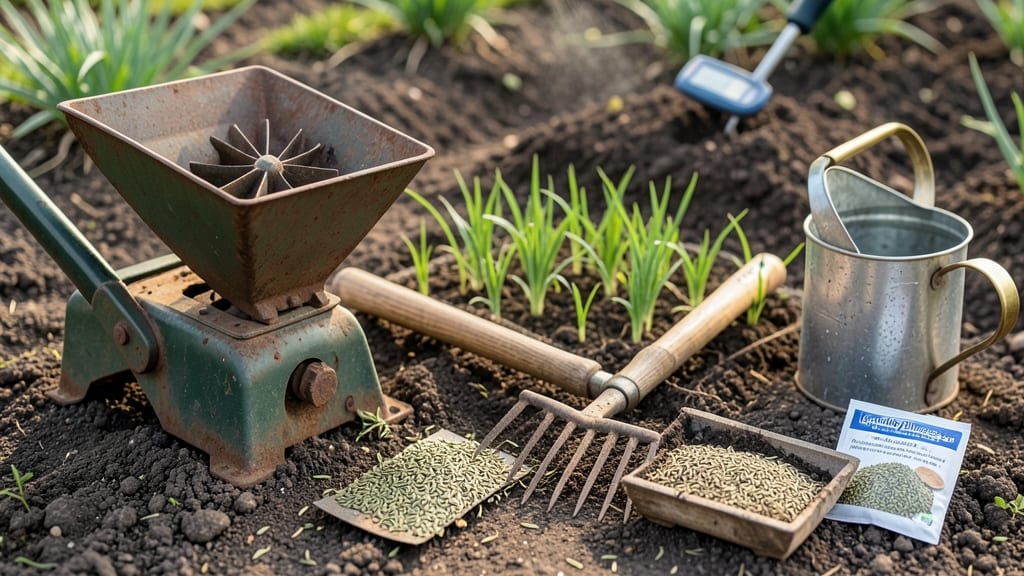
The best time to plant grass seed in Indiana is between early spring (March–April) and early fall (September–October), when soil temperatures hover between 50–65°F and frost risks are low.
Picture this: you’ve spent hours spreading fresh 🌱 grass seed, only to watch it wither under a late frost or bake in summer heat. That’s why timing matters—Indiana’s 5b-6b climate demands patience and precision.
Cool-season grasses like Kentucky bluegrass thrive when planted in spring or fall, while warm-season varieties (like Bermuda) need the heat of summer to germinate properly. Miss the window, and you risk sparse, uneven growth—or worse, a total flop.
In this guide, I’ll break down the exact frost-free windows for your region, soil prep secrets, and how to avoid summer heat stress. Let’s get that lawn growing right.
Optimal Indiana grass seed planting times based on soil temperature
Indiana's cool-season climate means timing your grass seed planting is everything.
The ideal soil temperature range for germination is 50-65°F, but cool-season grasses (like tall fescue and Kentucky bluegrass) thrive best when planted in early spring or fall, while warm-season grasses (like Bermuda) prefer late spring.
Getting this wrong can lead to slow growth or even seed failure.
Northern Indiana (USDA zones 5b-6a) typically has earlier frost dates than Southern Indiana (USDA zones 6a-6b). In the north, the last frost date averages April 15th, while the south sees it around April 1st. This 2-week difference impacts when you should plant for maximum success.
Here’s how to align your planting with Indiana’s soil temperature and frost-free windows:
For Northern Indiana, aim to plant cool-season grasses in early April or late September. The soil temperature should be consistently above 50°F for at least a week before planting. Use a soil thermometer to check—if it’s below 50°F, wait a few more days.
In Southern Indiana, you have a slightly longer window. Warm-season grasses like Bermuda can be planted as early as mid-April when soil temps hit 60°F. However, cool-season grasses still prefer fall planting (late August to early October) to establish roots before winter.
One common mistake is planting too early in spring when the soil is still cold or too late in fall when frost is imminent. Both scenarios lead to poor germination or weak grass that struggles to survive. Always check your local Indiana frost dates and adjust your planting schedule accordingly.
If you’re unsure about your local frost dates, use the National Weather Service or a USDA Plant Hardiness Zone Map to find your exact zone.
For most of Indiana, the last frost date falls between April 1st and April 15th, while the first frost arrives around October 15th. Plan your planting 4-6 weeks before these dates for best results.
Pro tip: If you’re planting in fall, choose a fast-growing variety like annual ryegrass to establish a temporary cover before winter. This gives your perennial grasses a head start in spring.
Remember, soil temperature is just as critical as air temperature. Even if the air is warm, if the soil hasn’t warmed to 50°F, your seeds won’t germinate properly. Invest in a soil thermometer ($10-$15) to avoid guesswork—it’s a game-changer for Indiana gardeners.
By following these Indiana-specific guidelines, you’ll ensure your grass seed germinates quickly, establishes strong roots, and gives you that lush, green lawn you’ve been
Step-by-step Indiana planting timeline: before, during, and after frost
Indiana's variable climate means your grass seed success hinges on precise timing. Planting too early risks frost damage, while waiting too late can leave your lawn vulnerable to summer heat stress.
The 6-week window before and after Indiana's average last frost date (mid-April) offers the perfect balance for cool-season grasses like tall fescue and Kentucky bluegrass.
For warm-season grasses like Bermuda or Zoysia, aim for late spring when soil temps consistently reach 65°F. Northern Indiana gardeners should wait until late May, while Southern Indiana can start as early as mid-April. Always check your local USDA Zone (5b-6b) for precise timing.
🌱 Your 6-Week Indiana Grass Planting Timeline
-
1
Weeks 1-2: Soil Prep
Test soil pH (6.0-7.0 ideal). Remove weeds and loosen top 6 inches of soil. Add compost for nutrients. -
2
Week 3: Seed Selection
Choose cool-season seed for spring (tall fescue) or warm-season for late spring (Bermuda). Buy high-quality seed rated for Indiana. -
3
Week 4: Planting
Spread seed at 5-8 lbs per 1,000 sqft. Lightly rake (¼ inch deep) and cover. Water lightly daily to keep soil moist. -
4
Week 5: Germination
Seed should sprout in 7-21 days. Reduce watering to 2x daily (morning/evening). Avoid walking on new growth. -
5
Week 6: Establishment
Gradually increase watering to 1 inch per week. Apply starter fertilizer if soil test was low. Mow when grass reaches 3-4 inches. -
6
Post-Frost Care
For fall planting, repeat steps 1-5 4-6 weeks before first frost (mid-October). Reduce watering in winter to monthly if no snow.
After planting, consistent moisture is critical—Indiana's summer droughts can stress young grass. Water deeply in the morning to encourage deep root growth. In Northern Indiana, extend your planting window by using frost cloth for early spring starts.
Fertilize 4-6 weeks after planting with a balanced 10-20-10 formula. For cool-season grasses, apply half the recommended dose in early spring and again in late fall to strengthen roots before winter dormancy. Southern Indiana lawns benefit from a light summer feeding in June.
Monitor for weed competition—Indiana's warm, humid summers create perfect conditions for crabgrass. Apply pre-emergent herbicide in early spring (before weeds sprout) to protect your new lawn. Mulch with straw after planting to retain moisture and suppress weeds naturally.