
Flowers
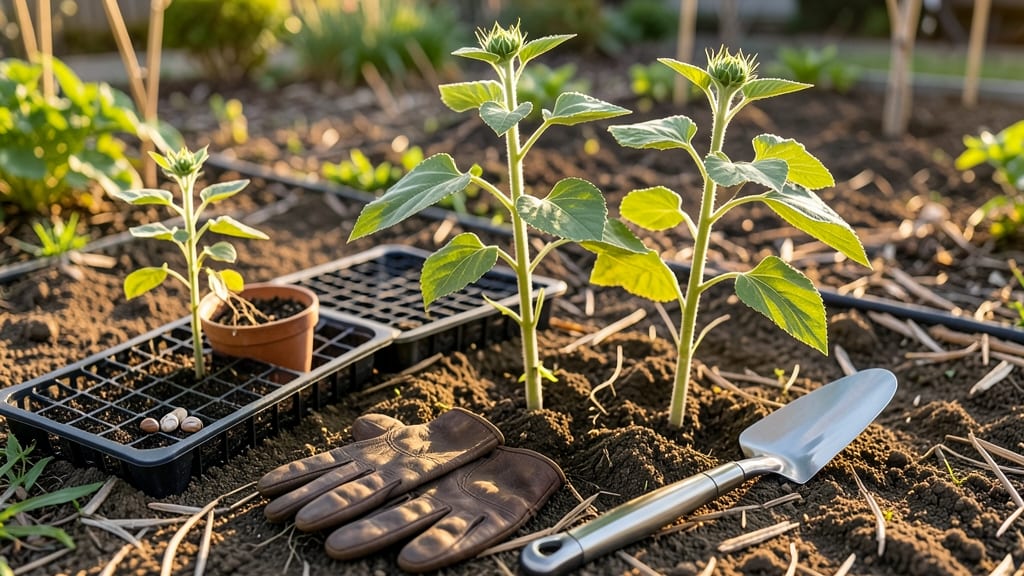
Planting sunflowers in Florida at the right time means bold blooms from spring through fall—no frost to hold you back, just heat and humidity to master.
Sunflowers thrive in Florida’s heat—but planting them at the wrong time can mean wilted dreams before they even bloom. The key is timing soil warmth and rainfall to avoid stress, and choosing varieties that won’t bolt in the summer’s peak.
Here’s the breakdown: spring (March-April) and fall (September-October) are the prime windows, but summer plantings work too if you pick the right heat-resistant types. I’ll walk you through the exact dates, soil prep, and care tricks to keep your 🌻 towering over the rest of the garden.
Skip the guesswork and learn how to turn Florida’s frost-free growing season into a year-round sunflower show—without the common mistakes that leave gardeners scratching their heads by July.
Florida sunflower planting calendar: exact start dates by season
Florida’s frost-free climate means you can grow sunflowers year-round—but timing still matters for optimal blooms and heat resistance. Unlike northern states, we skip the spring frost wait, but summer’s brutal heat demands strategic planting.
I’ll break down the exact windows for North, Central, and South Florida, plus soil prep secrets to beat the heat.
Sunflowers love Florida’s long growing season, but they struggle when soil temps exceed 95°F. The key is planting when daytime highs stay below 90°F for consistent germination.
In North Florida (Zones 8a-9a), aim for March-April and September-October windows, while South Florida (Zones 10b-11) can plant year-round with minimal stress.
Soil prep is your first line of defense against Florida’s humidity. Test your soil’s pH (aim for 6.0-7.0) and amend with compost 2-3 weeks before planting. For sandy soils common in Central Florida, mix in peat moss to retain moisture, while South Florida’s clay-heavy areas benefit from perlite for drainage.
Regional variations create micro-climates even within Florida. North Florida’s cooler winters (down to 40°F) allow fall planting as late as November, while South Florida’s 80°F+ winters mean summer planting risks heat shock. Central Florida sits in the middle, with June-August being the riskiest months for seedling survival.
For spring planting, I recommend starting seeds indoors 4-6 weeks before your region’s target date. Florida’s humidity makes direct sowing tricky—seeds can rot before sprouting. Use biodegradable pots and transplant seedlings when they’re 3-4 inches tall, hardening them off for 5-7 days first.
Summer planting requires extra precautions. If you must plant in June-August, use shade cloth (30-50%) during the hottest hours (10 AM-4 PM) for the first 2 weeks. Water deeply at sunrise to prevent fungal diseases like powdery mildew, which thrives in Florida’s 90%+ humidity during summer.
Fall is my favorite window for sunflowers in Florida. The cooler temps (65°F-80°F) mean faster germination and fewer pest issues. In North Florida, you can even get winter blooms if you plant in late October, though growth slows below 50°F.
For South Florida, fall planting avoids the summer heat entirely.
Don’t forget about succession planting! In Florida, you can stagger plantings every 3-4 weeks from March through October to enjoy continuous blooms. This works especially well for dwarf varieties (under 4 feet), which handle Florida’s hurricane-force winds better than towering giants.
Pro tip: Mark your calendar for the full moon in planting months. Many Florida gardeners swear by lunar planting for stronger stems and
Top 5 heat-resistant sunflower varieties for Florida’s climate
Florida’s summer heat can turn sunflowers into wilted disappointment if you pick the wrong variety. The key is choosing heat-tolerant hybrids that thrive in 90°F+ temperatures while resisting bolting. These top 5 varieties are battle-tested in Florida’s USDA zones 9a-11 and deliver bold blooms even during droughts.
I’ve ranked them based on drought tolerance, bloom speed, and height—so you can pick the perfect fit for your garden. Whether you want tall statement plants or compact pollinator magnets, these varieties won’t let Florida’s humidity hold them back.
#1 ‘Autumn Beauty’ (Heirloom) is my top pick for Florida gardens. This 6-8 ft tall variety blooms in 70-80 days and handles humidity better than most hybrids. Its rust-red petals attract pollinators year-round, and it’s drought-tolerant once established. Source seeds from Baker Creek Heirloom Seeds or Florida Native Plant Society.
#2 ‘Moulin Rouge’ (Hybrid) is a compact powerhouse at just 3-5 ft tall, perfect for small spaces or container gardens. It blooms in 60-70 days and resists powdery mildew, a common Florida issue. The deep red bicolor flowers are stunning in summer heat. Try Park Seed’s Florida-specific mixes for reliable stock.
#3 ‘ProCut’ (Hybrid) is the fastest bloomer on this list, ready in 55-65 days—ideal for summer plantings when you want quick color. It grows 8-10 ft tall and produces large seed heads perfect for birds. Johnny’s Selected Seeds offers organic-certified ProCut for Florida growers.
#4 ‘Teddy Bear’ (Dwarf Hybrid) is a 2-3 ft tall cut-and-come-again variety that thrives in Florida’s heat without bolting. Its golden-yellow blooms last 2-3 weeks per stem, and it’s deer-resistant. Burpee Seeds sells it as part of their Florida-friendly collection, which is a great shortcut.
#5 ‘Russian Giant’ (Heirloom) might seem risky in Florida’s heat, but it’s surprisingly adaptable when given extra mulch and morning watering. Reaching 12-15 ft tall, it’s a statement plant for fall gardens. For local sourcing, check Pineapple Seed Co.—they specialize in tropical-adapted heirlooms.
Pro tip: Pair ‘Autumn Beauty’ or ‘Moulin Rouge’ with native Florida milkweed to create a pollinator superhighway. And if you’re planting in summer’s peak heat, use shade cloth (30%) for the first 2 weeks to reduce stress on seedlings. 🌻