
Plants
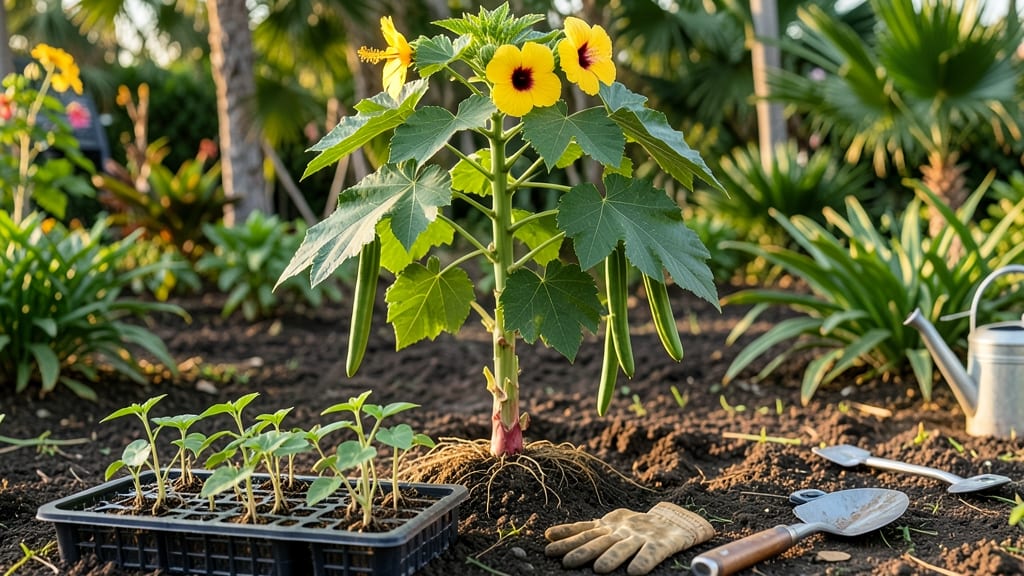
Planting okra in Central Florida works best when soil temperatures hit 65°F or warmer—a window that opens as early as late February in the heat of the 9a-10a zone.
Central Florida’s scorching summers might seem like the last place to grow okra—but timing your planting right can mean the difference between a thriving harvest and wilted disappointment. The key is understanding how the 300+ frost-free days here affect your schedule, from early spring starts to late-summer extensions.
Okra thrives in heat, but it won’t tolerate cold snaps. That’s why the March-September planting window aligns with Florida’s natural rhythm: avoid February’s unpredictable chill and don’t push past September’s creeping humidity. The right variety and soil prep can stretch your harvest from May through November.
Below, I’ll break down the exact soil temperature triggers, the best heat-resistant varieties for Florida’s climate, and the critical mistakes to avoid—so you can go from seed to pod without a single wasted effort.
Optimal planting windows for okra in Central Florida (by month & soil temp)
Central Florida’s warm climate makes okra a surprisingly rewarding crop—if you plant at the right time. Unlike northern regions, we don’t need to wait for spring to warm up. The key is monitoring soil temperatures, which must reach 65°F+ for germination and 80°F+ for optimal growth.
Planting too early risks stunted seedlings, while waiting too long may mean missed harvests before fall’s cooler temperatures arrive.
Most Central Florida gardeners focus on spring/summer plantings, but a fall window also works if you choose heat-tolerant varieties. The USDA zones 9a-10a mean we enjoy a long growing season, but even here, timing matters.
Let’s break down the best months for each planting window, including soil temperature triggers and microclimate considerations.
🌱
| Planting Window | Best Months | Soil Temp (°F) | Notes |
|---|---|---|---|
| Spring Planting | March-April | 65°F+ | Start seeds indoors 4-6 weeks before last frost (rare but possible in microclimates). Transplant after soil warms to 70°F+. |
| Summer Planting | May-July | 80°F+ | Ideal window for maximum heat tolerance. Direct-sow seeds after Memorial Day for best results. |
| Fall Planting | August-September | 75°F+ | Choose fast-maturing varieties. Harvest before temperatures drop below 60°F at night. |
| Microclimate Adjustments | All year | Varies | North Florida areas (e.g., Ocala) may plant 2-3 weeks earlier. Coastal zones (e.g., Tampa) can extend fall plantings into October. |
For spring plantings, I recommend starting seeds indoors in late February if you’re in cooler microclimates like Lake County. Transplant seedlings outdoors after March 15 when soil temperatures consistently stay above 70°F.
This timing aligns with Central Florida’s average last frost date of January 15, though frost is rare in most areas.
Summer plantings are where okra truly thrives in Central Florida. From May through July, soil temperatures often exceed 85°F, creating perfect conditions for okra’s heat-loving nature. Direct-sow seeds in well-prepared beds with compost-enriched soil to ensure rapid germination and robust growth.
Avoid planting after July 15 unless you’re using drought-tolerant varieties, as summer’s intensity can stress seedlings.
Don’t overlook fall plantings, which can yield a second harvest before winter sets in. Begin sowing seeds in August for a late-season crop. Prioritize fast-maturing varieties like ‘Emerald’ or ‘Clemson Spineless’ to ensure pods reach harvest size before temperatures dip below 60°F at night.
In coastal areas, you might extend plantings into early September.
🌡️
Central Florida’s microclimates play a crucial role in okra success. For example, Orlando’s inland heat allows for later summer plantings compared to Daytona Beach’s coastal breezes. Use a soil thermometer to verify temperatures before planting—this simple tool prevents costly mistakes.
If your soil hasn’t warmed enough by the recommended dates, use black plastic mulch to accelerate heating.
Once planted, okra’s heat tolerance becomes its superpower. Unlike many vegetables, okra actively thrives in 90°F+ temperatures, making it a perfect fit for Central Florida’s summers. However, even okra needs consistent moisture during its first 4-6 weeks of growth.
Water deeply every 2-3 days to establish strong roots before letting the plant’s natural drought resistance take over.
💧
Pro tip: Pair your okra with companion plants like basil or marigolds to deter pests and improve flavor. In Central Florida, I’ve had the most success with okra planted alongside sweet potatoes or peppers, which share similar heat preferences.
Avoid planting near beans or peas, as okra competes aggressively for nutrients.
By following these month-by-month guidelines and monitoring soil temperatures, you’ll transform Central Florida’s heat from a challenge into your okra’s greatest ally. With the right timing, you could enjoy fresh pods from May through November
Best heat-resistant okra varieties for Central Florida’s humid climate
Central Florida’s humid summers and 90°F+ temperatures can be brutal for many vegetables—but okra thrives here when you choose the right heat-resistant varieties. The key is selecting types that handle high heat, high humidity, and soil-borne diseases common in Florida’s climate.
I’ve grown these varieties myself and can confidently recommend the top performers for your garden.
Not all okra is created equal. Some varieties bolt (flower prematurely) in heat, while others develop bitter pods or succumb to powdery mildew. The varieties below were chosen for their disease resistance, pod tenderness, and ability to produce consistently even when temperatures hover around 95°F.
Let’s compare the best options for your Central Florida garden.
| Variety | Heat Tolerance | Disease Resistance | Yield Potential | Pod Color | Days to Harvest |
|---|---|---|---|---|---|
| Clemson Spineless | Excellent (95°F+) | High (resists mildew) | Very High (50+ pods) | Green | 50-60 days |
| Emerald | Good (90°F+) | Moderate (susceptible to spider mites) | High (30-40 pods) | Green | 55-65 days |
| Red Burgundy | Very High (100°F+) | Excellent (disease-resistant) | Moderate (20-30 pods) | Red | 60-70 days |
| Jumbo Snap-In | Good (90°F+) | Moderate (watch for blight) | High (40+ pods) | Green | 50-60 days |
For maximum heat tolerance, I recommend starting with Clemson Spineless—it’s my go-to for Central Florida gardens. This variety rarely bolts in heat and produces smooth, tender pods even when temperatures exceed 100°F.
If you prefer colorful okra, Red Burgundy is stunning and just as heat-resistant, though it yields slightly fewer pods.
When selecting seeds, prioritize varieties with disease resistance labels—look for terms like "powdery mildew-resistant" or "heat-tolerant" on seed packets. Avoid varieties marketed for cooler climates, as they’ll struggle in Florida’s humid heat.
Pro tip: Direct-sow seeds after your last frost date (typically mid-March to early April) for the best results.
One mistake I see often is overcrowding seedlings, which stresses plants in heat. Space okra 18-24 inches apart in rows 3 feet apart to allow air circulation and reduce disease risk. Mulch with straw or black plastic to retain soil moisture and keep roots cool during peak summer heat.
With the right variety and care, okra can be a low-maintenance, high-reward crop in Central Florida. Start with Clemson Spineless or Red Burgundy, and you’ll enjoy fresh pods from June through October—even when your neighbors are wilting in the heat. 🌱☀️