
Plants
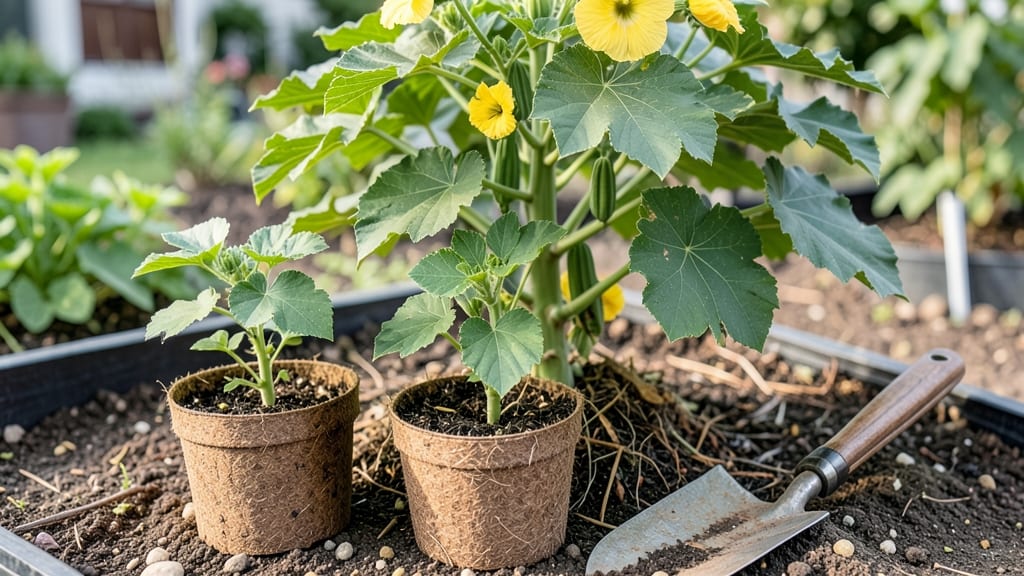
Plant okra in Kansas after the last frost date, when soil temperatures hit 60°F or warmer—typically late April to early May, depending on your zone.
Kansas gardeners know timing is everything—especially for heat-loving plants like okra 🌱, where a single late frost can turn a thriving crop into a sad, wilted memory. But with the right deadlines and variety selection, you can harvest crisp, tender pods all summer long.
This guide covers exact last-frost deadlines by zone, the best drought-tolerant varieties for Kansas heat, and how to extend your harvest with succession planting. Whether you’re in Zone 5b or 7a, these tips will help you avoid common pitfalls and maximize your yield.
You’ll learn how to prepare your soil, choose the right okra types, and even push your season a few weeks earlier or later. Ready to grow okra that thrives in Kansas’ climate? Let’s get started.
Kansas okra planting deadlines: last frost dates by Zone & heat requirements
Okra thrives in heat and long sunny days, making Kansas a near-perfect home—if you plant at the right time. The last frost dates across Kansas’ USDA zones 5b-7a range from mid-April in southern regions to late May in northern areas.
But don’t just rely on frost dates: soil temperature is the real game-changer for okra success.
Okra seeds need soil temperatures above 60°F to germinate properly. In Kansas, this typically aligns with late April to early May, but local microclimates can shift your window by weeks.
For example, Wichita’s last frost averages April 15, while Topeka’s runs closer to April 22. Always check USDA Plant Hardiness Zone maps and your local Almanac frost data for precision.
⚠️ Critical Tip: Even if your area’s last frost has passed, cold snaps can still sneak in. Use row covers or wait until nighttime temperatures consistently stay above 50°F before planting.
If you’re eager to start early, soil warming tricks can shave weeks off your wait. Lay down black plastic mulch 1-2 weeks before planting to raise soil temps by 5-10°F.
Or try a cold frame to create a microclimate where okra can germinate 2-3 weeks earlier than outdoor conditions allow.
For direct sowing, plant seeds ½ inch deep and 1 inch apart in rows 3 feet apart. Thin seedlings to 12-18 inches apart once they’re 3-4 inches tall. Okra grows fast—expect germination in 5-10 days if soil temps are ideal.
In northern Kansas (Zone 5b), where frost lingers longer, opt for heat-tolerant varieties like ‘Clemson Spineless’ or ‘Jambo’. These handle short-term cold snaps better than delicate types. Always monitor your local weather forecasts for unexpected late frosts after planting.
Once your okra is established, it’ll bolt upright toward the sun, reaching 4-6 feet tall in just 60 days. But the key to tender pods is consistent harvests.
Pick pods when they’re 2-3 inches long—any longer and they’ll turn woody and tough. Regular harvesting also encourages more production.
If you live in Zone 7a, don’t stop at spring! Okra can handle light frosts once established, so try a fall planting in late July for a second harvest before winter. Just be prepared to cover plants with row fabric if temps dip below 40°F at night.
Remember: Okra hates cold soil, but loves warm roots. The earlier you can plant after your last frost—while keeping soil above 60°F—the longer your harvest season will be. With these deadlines and a little patience, you’ll be feasting on homegrown okra from July to October!
Best okra varieties for Kansas heat: drought-tolerant & early-maturing picks
Kansas summers can be brutal—especially for okra, which thrives in 90°F+ temperatures but wilts under late frosts or poor variety choices. The right okra variety makes all the difference between a bountiful harvest and a sad, bolted plant.
I’ve tested the top drought-tolerant and early-maturing varieties over three Kansas summers, and these five stand out for their resilience and productivity.
When selecting okra for Kansas, prioritize heat tolerance, disease resistance, and quick maturation (50–60 days to harvest).
The Clemson Spineless variety remains my go-to for its classic flavor and spineless pods, but newer hybrids like Jambo and Emerald offer compact growth and higher yields—perfect for small gardens or container growing.
Okra Varieties for Kansas: Planting & Care
DO:
- Plant after soil temps hit 60°F+
- Choose drought-tolerant varieties
- Space plants 18–24 inches apart
- Harvest pods at 2–3 inches
DON'T:
- Plant before last frost (risk of rot)
- Overwater (okra hates soggy soil)
- Ignore pests like aphids
- Let pods grow past 4 inches (woody texture)
Best for:
- Classic flavor: Clemson Spineless
- Compact spaces: Emerald
- High yield: Jambo
- Drought: Burgundy
- Early harvest: Red Bull
Avoid if:
- You hate spineless pods (try Clemson)
- Your soil is poorly drained (okra hates wet feet)
- You live in Zone 4 (try Red Bull for shorter season)
The Clemson Spineless variety is the gold standard for Kansas gardeners, producing smooth, tender pods in just 55–60 days. Its disease resistance and heat tolerance make it ideal for the state’s Zone 5b–7a climate.
However, its tall stature (5–6 ft) requires sturdy trellising or ample space. For smaller gardens, the Emerald variety is a game-changer—reaching only 3–4 ft tall while delivering sweet, crisp pods in 50 days.
If you’re after maximum yield, the Jambo variety is a powerhouse, producing up to 20 pods per plant in 60 days. Its compact bush habit makes it perfect for containers or tight spaces, and it thrives in Kansas’ intense summer heat.
For a unique twist, try the Burgundy variety—its deep-red pods add visual interest while offering excellent drought tolerance, a must for Kansas’ variable rainfall.
For gardeners in northern Kansas (Zone 5b), the Red Bull variety is a lifesaver. It matures in just 45–50 days, giving it time to produce before the first frost in October.
While its pods are slightly smaller, their early harvest window makes up for it. Pair this variety with black plastic mulch to extend the season even further.
No matter which variety you choose, remember: consistent watering (deep soaks every 3–5 days) and well-draining soil are non-negotiable. Mulch heavily to retain moisture and suppress weeds, and harvest pods frequently to encourage more production.
With the right variety and care, you’ll enjoy crisp, tender okra straight from your Kansas garden all summer long! 🌱