
Fertilization
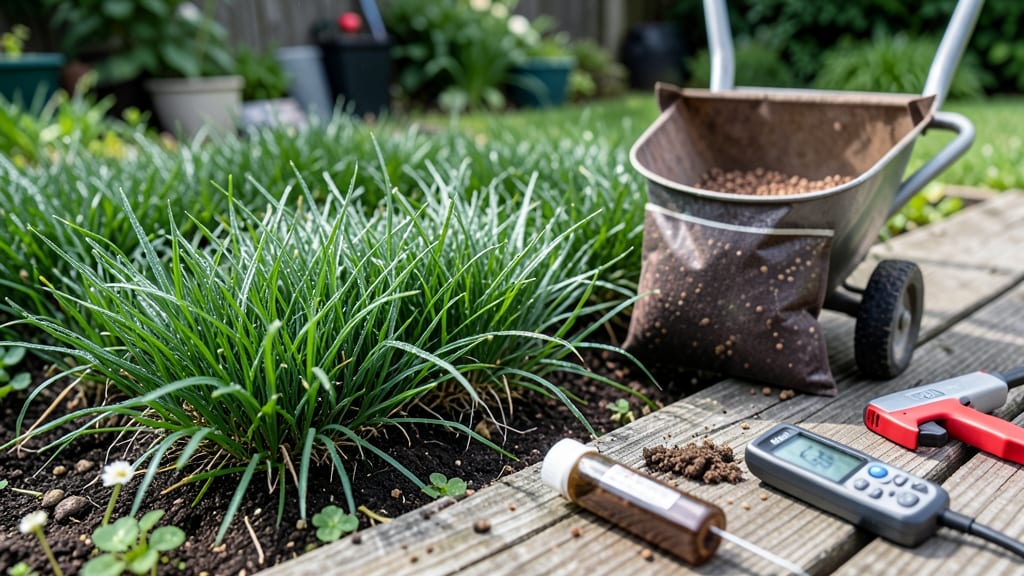
Fertilizing your grass at the wrong time can leave you with patchy, weak growth—or worse, a lawn that looks worse than before.
You’ve probably watered, mowed, and even aerated, but if your 🌱 isn’t responding, the issue might be your fertilization schedule. Cool-season grasses like Kentucky bluegrass need feeding in early spring and fall, while warm-season types like Bermuda thrive with summer applications.
Miss the window, and you’ll waste money or even harm your lawn.
Below, I break down the exact months to fertilize based on your grass type and climate zone, plus how to spot when you’ve overdone it. No more guesswork—just a thicker, greener lawn by next season.
Ready to transform your yard? Let’s dive into the science-backed timing that actually works.

Best grass fertilization schedule by season: month-by-month guide
Timing your grass fertilization is just as critical as choosing the right fertilizer. Cool-season grasses like Kentucky bluegrass and fescue thrive with spring and fall feedings, while warm-season grasses such as Bermuda and Zoysia need summer and early fall attention.
Missing these windows means wasted nutrients or stressed grass. Let’s break it down by season so you can feed your lawn at the perfect moments.
Your local climate plays a huge role—northern regions should fertilize earlier in spring, while southern areas can extend summer feeding. Always check soil temperature first: cool-season grasses need soil above 50°F, while warm-season varieties require 65°F+. Use a soil thermometer to avoid guessing.
Pro Tip: Pair fertilization with proper watering—apply fertilizer in the morning and water lightly afterward to help nutrients absorb. Avoid fertilizing during drought or extreme heat, as this can burn your grass.
For cool-season grasses, the spring feeding (March–April) jumpstarts growth after winter dormancy. This is your chance to correct any winter damage and establish thick turf before summer heat sets in. Pair this with a pre-emergent herbicide in early spring (around March) to block weeds before they sprout.
In fall (September–October), cool-season grasses need another boost—this time focusing on root development. Use a fertilizer with higher potassium (like a 10-10-20 blend) to strengthen roots before winter. Southern regions can extend this to November, while northern areas should stop by October to avoid late-season growth that freezes.
Warm-season grasses follow a different rhythm. Their peak growth occurs in late spring to summer (May–August), so fertilize in May–June with a slow-release nitrogen (like 30-0-4) to fuel lush growth. Avoid heavy feeding in July–August—opt for light applications to prevent stress during heatwaves.
Regional adjustments matter: In northern climates (USDA Zones 3–6), focus on spring and fall fertilization. Southern climates (Zones 7–10) can add a light summer feeding in July for warm-season grasses, but skip it if drought is forecasted. Always adjust based on your grass type and local weather patterns.
Watch for soil temperature cues—cool-season grasses won’t absorb nutrients well below 50°F, while warm-season varieties need 65°F+ soil to activate growth. Use a soil thermometer ($10 at garden centers) to time applications perfectly.
Pro move: Mark your calendar 6–8 weeks before your first frost date to plan fall feedings.
Overlooking these seasonal windows can lead to weak grass, weed invasions, or even lawn burn. For example, fertilizing warm-season grass in winter wastes money, while over-feeding cool-season grass in summer stresses it during dormancy. Stick to the schedule, and you’ll see thicker, greener grass with minimal effort.
🌱
5 Signs your grass needs fertilizer (and when to act)
Your lawn might look healthy, but subtle signs like yellowing patches or slow growth often signal nutrient deficiencies. Ignoring these cues can lead to thinner grass, weed invasion, or even soil erosion.
The key to a lush lawn isn’t just fertilizing—it’s timing it right based on what your grass is telling you. Let’s decode the visual clues and match them to the best fertilization windows for your climate.
Most homeowners wait until their lawn looks bad before acting, but by then, the damage is done. The smart approach is to monitor grass health weekly and fertilize preventatively during critical growth windows.
For example, cool-season grasses like Kentucky bluegrass need feeding in early spring and fall, while warm-season grasses like Bermuda thrive with late spring and summer applications. Missing these windows means wasted fertilizer and missed opportunities for thick growth.
-
1. Yellowing Grass in Spring
Fertilize in March–April (cool-season) or May (warm-season) with nitrogen-rich fertilizer (20–25% N).
⚠️ Avoid if soil is frozen or waterlogged.
-
2. Weed Outbreaks After Winter
Apply pre-emergent herbicide in early spring (March) followed by fertilizer 4–6 weeks later to crowd out weeds.
💡 Use a slow-release formula to prevent runoff.
-
3. Slow Growth in Summer Heat
Light feeding in July with potassium-heavy fertilizer (5–10% K) to improve drought tolerance.
⚠️ Never fertilize if grass is brown from heat stress.
-
4. Brown or Crunchy Grass in Fall
Fertilize with high-potassium (K) formula in September to strengthen roots before winter.
💡 Stop fertilizing by October 15 in most climates.
-
5. Thin or Patchy Areas Year-Round
Apply slow-release fertilizer in early spring and fall to encourage dense growth.
💡 Overseed bare spots after fertilizing for best results.
Don’t wait for your lawn to show severe stress signs—act at the first hint of nutrient deficiency. For example, if your grass turns yellow in spring, it’s a clear signal to fertilize with high-nitrogen in March or April, depending on your grass type.
Similarly, weed outbreaks after winter mean you should’ve applied pre-emergent herbicide in early spring followed by fertilizer to outcompete weeds naturally. Pro tip: Use a soil test kit ($20 at garden centers) to confirm deficiencies before fertilizing—this saves money and prevents over-application.
Timing is everything in lawn care. Fertilizing at the wrong time—like mid-summer for cool-season grasses—can burn roots or encourage weed growth. Instead, match your fertilization schedule to your grass type and climate.
For instance, Bermuda grass in the South thrives with late spring and summer feedings, while fescue in the North needs fall fertilization for winter resilience. Always check the soil temperature (use a soil thermometer) before applying fertilizer—cool-season grasses need soil above 50°F, while warm-season grasses prefer 65°F+.
Remember: Less is often more when it comes to lawn fertilizer. Over-application leads to nutrient runoff, which harms local waterways and can burn your grass. Stick to the recommended rates on your fertilizer bag and water deeply after application to help nutrients absorb.
If you’re unsure, start with a half-dose and monitor your lawn’s response. With the right timing and attention to detail, you’ll see thicker, greener grass in just a few weeks—no matter your climate or grass type.