
Fertilization
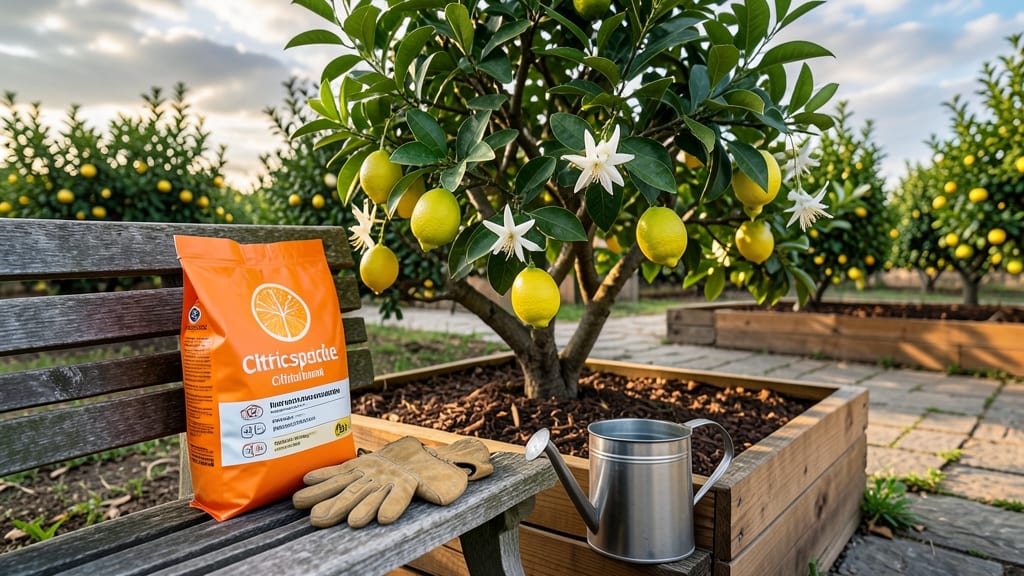
To fertilize a lemon tree at the perfect times means feeding it just as the new growth kicks in—typically in early spring—and again after harvest to set up next year’s fruit.
Struggling to get your lemon tree 🍋 to produce juicy, abundant fruit? The timing of fertilization can make all the difference—too early or too late, and you risk stunted growth, poor yields, or even burning your tree’s roots.
Most gardeners in Zone 9b (where citrus thrives) focus on two key feeding windows: once in late winter to fuel blooming and again in early fall to strengthen roots before dormancy. But climate matters—Mediterranean regions may need a third light feed in summer, while tropical areas might skip it entirely.
Below, I’ll break down the exact schedule, how to spot over- or under-fertilization, and which fertilizers work best for your lemon tree’s needs—so you can finally enjoy that harvest of bright, tangy lemons you’ve been dreaming of.

Optimal fertilization timeline for lemon trees: spring vs. fall breakdown
Getting your lemon tree to thrive—and produce those sweet, tangy lemons—requires precise timing when it comes to fertilization.
As someone who’s nursed lemon trees through bloom cycles and fruit set stages, I’ve learned that fertilizing at the wrong time can lead to wasted energy, poor yields, or even root damage.
The key is understanding how your tree’s growth phases align with seasonal changes, especially in spring and fall, when nutrient needs shift dramatically.
Lemon trees are heavy feeders, but they’re also sensitive to over-fertilization. In my experience, the biggest mistake gardeners make is fertilizing during dormancy or right before harvest season. Both can disrupt the tree’s natural processes and reduce fruit quality.
Instead, we’ll focus on a seasonal schedule that matches your tree’s biological clock—whether you’re in a Mediterranean climate or a tropical zone.
🌱 Here’s the game-changer: Fertilizing in early spring (just as buds form) and again in late summer/early fall (to prepare for winter) gives your lemon tree the nutrients it needs without overwhelming it. But timing isn’t one-size-fits-all—climate zone, tree age, and even soil type play a role. Let’s break it down so you can tailor your approach.
In my Zone 9b garden, I start fertilizing in late February with a balanced NP
Signs your lemon tree needs fertilizer (and what to do next)
If your lemon tree isn’t thriving, nutrient deficiencies could be the culprit. Yellowing leaves, stunted growth, or poor fruit production often signal it’s time to fertilize. These signs aren’t just cosmetic—they directly impact your tree’s health and yield. Let’s break down what to watch for and how to respond.
First, check the leaves. Yellowing between veins usually means nitrogen deficiency, while purple or brown leaf tips often point to phosphorus or potassium issues. Slow growth or small, sparse leaves? Your tree might be hungry for nutrients. Don’t ignore these clues—they’re your tree’s way of asking for help.
- Early Spring (Feb-Mar): Apply balanced citrus fertilizer to kickstart growth after dormancy.
- Late Spring/Early Summer (May-Jun): Feed again to support flowering and fruiting stages.
- Fall (Sep-Oct): Boost root strength before winter with a low-nitrogen fertilizer.
- Avoid Winter (Nov-Jan): Let the tree rest—no fertilizer needed during dormancy.
🌱 Pro Tip: Always water before and after fertilizing to prevent root burn.
For a quick DIY soil test, dig a small hole near your tree’s roots and examine the soil. If it looks pale or lacks organic matter, it’s time to amend it.
You can also grab a handful of soil and mix it with water—if it smells sour or looks depleted, your tree needs nutrients. A pH test kit (available at garden centers) can confirm if your soil is too acidic or alkaline.
If you spot yellow leaves with green veins, your tree likely needs nitrogen. Use a high-nitrogen fertilizer like blood meal or fish emulsion. For weak stems or sparse blooms, phosphorus-rich fertilizers (like bone meal) will help. Brown leaf edges?
Potassium deficiency is the issue—try a banana peel tea or potassium sulfate.
Over-fertilizing is just as harmful as under-fertilizing. Burnt leaf tips or wilting mean you’ve overdone it. Always follow package instructions and start with half the recommended dose if your tree is new to fertilizers. Slow and steady wins the race with lemon trees!
Remember, healthy soil equals healthy trees. Mulch around the base with compost or wood chips to retain moisture and nutrients. This simple step can reduce how often you need to fertilize while keeping your tree happy and productive. 🍋