
Fertilization
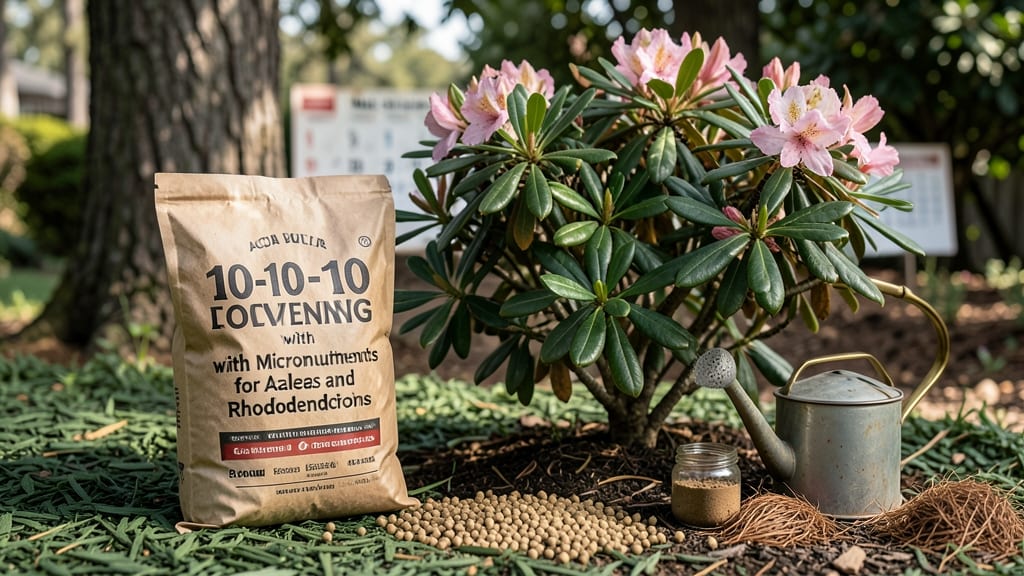
Fertilizing azaleas in Northern California at the right time ensures those vibrant 🌸 blooms return year after year — and the best window is early spring, just as new growth appears.
Here’s the catch: Northern California’s diverse microclimates—from foggy coastal zones to inland valleys—can confuse even experienced gardeners about the perfect timing. A coastal azalea in San Francisco thrives on a different schedule than one in Sacramento’s heat, and getting it wrong can mean fewer blooms or even plant stress.
Below, I’ll break down the exact months to feed your azaleas based on your microclimate, whether to use organic or synthetic fertilizers, and how often to apply it without overdoing it. Spoiler: fall fertilization is a myth for most of the state.
You’ll also learn how to spot when your azaleas actually need food (hint: it’s not just about the leaves) and how to adjust for drought years or heavy rains. Let’s get those 🌸 shrubs blooming like clockwork.

Northern California azalea fertilizing schedule by microclimate zone
Northern California’s three distinct microclimates—coastal, inland, and mountain—create unique challenges for azalea fertilization. Coastal areas like San Francisco and Monterey enjoy milder winters and cooler summers, while the Sacramento Valley faces hotter summers and Sierra foothills experience cooler temperatures with longer dormant periods.
Each zone demands a tailored approach to ensure optimal blooms and plant health.
Azaleas thrive with acidic soil (pH 4.5-6.0) and benefit from fertilization during their active growth phases. However, timing varies dramatically between these regions.
For example, coastal azaleas may need earlier spring feeding due to milder winters, while inland varieties should avoid summer fertilization to prevent heat stress and fungal issues. Let’s break down the ideal schedule for each zone.
🌸
For coastal azaleas, the key is to fertilize early in the season when temperatures remain mild. I recommend applying a slow-release, acid-loving fertilizer like cottonseed meal in early March to jumpstart growth.
A second, lighter feeding in late April supports post-bloom recovery without overwhelming the plant during the cooler coastal summers.
Inland azaleas in the Sacramento Valley face a different challenge: intense summer heat. Here, I suggest a slow-release fertilizer in mid-March to avoid nutrient burn during hotter months.
Skip fertilization entirely from June through September, as the heat can stress roots and lead to leaf scorch or fungal diseases. A light feed in early May helps sustain energy after blooming.
Mountain gardeners in the Sierra foothills have a unique advantage: cooler temperatures extend the growing season. Fertilize in late March with an organic option like composted pine needles, then again in mid-May for post-bloom support.
Unlike other zones, a light feeding in September can encourage new root growth before winter dormancy.
Regardless of your microclimate, always water deeply before and after fertilizing to help nutrients reach the roots. I also recommend mulching with pine bark to maintain soil acidity and moisture levels.
Avoid fertilizing if your azaleas show signs of stress, such as yellowing leaves or wilting, as this indicates they’re not ready for additional nutrients.
🌿
One common mistake I see is over-fertilizing in summer, which can lead to leaf burn and reduced blooms. Azaleas are semi-dormant in summer, especially in inland areas, so they don’t need heavy feeding.
Instead, focus on consistent watering and shade protection during peak heat. In coastal areas, where summers are milder, a light feed in late summer can help prepare plants for the next blooming season.
If you’re unsure whether your azaleas need fertilizer, look for these signs: pale green leaves, sparse blooms, or slow growth indicate a need for nutrients. Conversely, dark green leaves with yellow edges may signal over-fertilization or high soil pH.
Test your soil’s acidity annually—azaleas thrive in pH 4.5-6.0, and adjustments may be needed if your local soil is alkaline.
💧
Signs your azaleas need fertilizer (and when to avoid it)
Your azaleas might be silently begging for nutrients without you even noticing. Yellowing leaves, sparse blooms, or stunted growth are classic signs your acid-loving shrubs need a nutrient boost.
But before you reach for that fertilizer bag, let’s decode these clues—because overdoing it can burn roots faster than a California summer can dry out mulch.
First, check the leaves. Healthy azaleas sport deep green, glossy foliage. If you see pale yellow leaves (chlorosis), it’s often a low iron or zinc deficiency, common in alkaline Northern California soils. Brown leaf edges or crispy tips?
That’s usually overwatering or fertilizer burn. Meanwhile, small, sparse buds mean your plant is starving for phosphorus or potassium.
⚠️ callout-warning
Coastal areas (like San Francisco) can fertilize 2 weeks earlier than inland zones (like Sacramento) due to milder winters. Never fertilize when soil is frozen or after first frost—this stresses roots. Test soil pH first: azaleas thrive at 4.5–6.0. If your soil is higher, amend with sulfur or pine needles before fertilizing!
Soil pH is your secret weapon. Grab a soil test kit (or send a sample to your local UCCE extension office).
If pH is above 6.0, nutrients lock up—even if you’re fertilizing. Azaleas hate alkaline soil, so if your yard has clay or limestone, you’ll need to acidify before feeding. Evergreen azaleas (like Rhododendron varieties) are especially picky—they’ll drop buds if stressed.
Timing matters more than you think. Feed in early spring (February–March) as buds form, and again after blooming (June) to recharge for next year. Avoid fertilizing in summer heat or dormant winter months—this forces growth when roots can’t support it. Slow-release fertilizers (like cottonseed meal) are safer than quick-release options, which can scorch roots in dry Northern California summers.
Watch for over-fertilization red flags: leaf drop, blackened stems, or white crust on soil (salts).
If you see these, flush the soil with water and wait 3 months before feeding again. Organic options (like fish emulsion) are gentler than synthetics, but even they need careful dosing. Mulch with pine bark to slowly acidify soil—it’s like a slow-release fertilizer for pH!
Pro tip: Prune in late summer (after blooming) to encourage new growth before winter. This signals your azalea to store nutrients for spring. And if your plant looks healthy but lazy?
It might just need a rest. Azaleas are dormant in winter—don’t wake them up with fertilizer! Let them recharge naturally until early spring.