
Fertilization
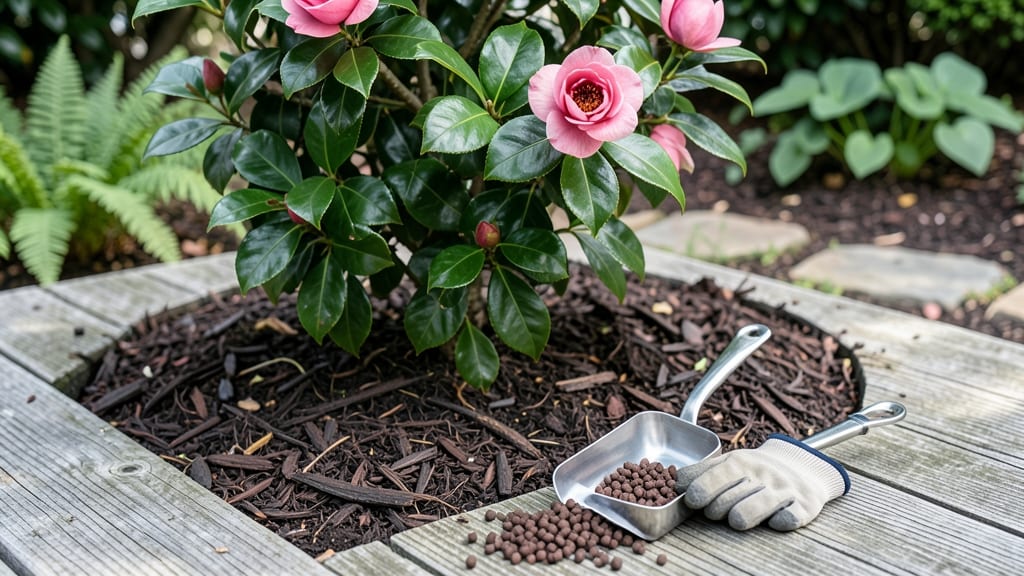
Fertilizing camellias in California at the right time means the difference between vibrant blooms and struggling shrubs 🌸 — and the coastal fog of San Francisco demands a totally different schedule than the dry heat of the Central Valley.
Struggling to keep your California camellias blooming year after year? The secret lies in understanding when to fertilize—because coastal Santa Barbara and inland Sacramento climates demand completely different timing.
Most gardeners make the mistake of fertilizing in summer, when camellias are already stressed by heat. The ideal windows are actually early spring (after buds form) and late fall (to prep for winter).
Below, I break down the exact months for your microclimate, the best fertilizer types for California soil, and how to spot over-fertilizing before it’s too late.

Optimal fertilization schedule for California camellias by microclimate
California's diverse climates mean your coastal camellias in Santa Barbara thrive on a completely different schedule than those in inland Sacramento. Coastal areas enjoy mild winters with moderate rainfall, while inland regions face colder nights and drier summers.
These differences directly impact when and how you should fertilize your acid-loving camellias for maximum blooms.
For coastal gardens, fertilization aligns with natural rainfall patterns—feeding lightly in winter and more aggressively in early spring before blooming season. Inland camellias, however, need a delayed feeding schedule to avoid winter stress, with a focus on fall root growth to prepare for colder months.
Understanding these regional nuances ensures your plants receive nutrients when they need them most.
Below is a month-by-month comparison of fertilization timing, fertilizer types, and application methods tailored to California's two dominant microclimates. Whether you're growing early-blooming 'Yuletide' or late-season 'Spring's Promise', this guide helps you adjust your schedule for optimal results.
| Microclimate | Month | Fertilizer Type | Application Time | Amount | Notes |
|---|---|---|---|---|---|
| Coastal (Santa Barbara) | January | Balanced organic (10-10-10) | After rain or light watering | 1/4 cup per plant | Encourages early root growth |
| February | Slow-release organic | Early morning | 1/4 cup per plant | Pre-bloom nutrient boost | |
| March | Synthetic acid-lowering (8-3-9) | After first buds appear | 1/2 cup per plant | Peak blooming support | |
| April | Compost tea or worm castings | Light soil application | 1/4 cup per plant | Post-bloom recovery | |
| May - September | None | N/A | N/A | Dormant summer feeding | Skip to avoid heat stress |
| October | Bone meal (organic) | Early morning | 1/4 cup per plant | Fall root development | |
| November - December | Fish emulsion (diluted) | After first rains | 1/4 cup per plant | Winter nutrient reserve | |
| Inland (Sacramento) | January | Slow-release organic | After soil thaws | 1/4 cup per plant | Delayed feeding for cold |
| February | Balanced organic (10-10-10) | Early morning | 1/4 cup per plant | Pre-bloom timing | |
| March | Synthetic (8-3-9) | After last frost | 1/2 cup per plant | Peak blooming support | |
| April - September | None | N/A | N/A | Summer dormancy | Skip to prevent stress |
| October | Bone meal + compost | Light soil incorporation | 1/2 cup per plant | Critical fall feeding | |
| November - December | Fish emulsion | After first rains | 1/4 cup per plant | Winter nutrient storage |
Notice how coastal camellias get an earlier start in January, while inland varieties wait until February to avoid winter chill damage. This delay prevents nutrient uptake in cold, waterlogged soils common in inland valleys.
For early-blooming varieties like 'Yuletide', add a light feeding in December to jumpstart spring growth, but skip this for late bloomers like 'Spring's Promise'.
When choosing fertilizer types, coastal gardens benefit from fish emulsion and compost tea, which thrive in humid, mild conditions. Inland areas often need bone meal for phosphorus to support root development in drier, nutrient-poor soils.
Always water thoroughly after applying synthetic fertilizers to prevent root burn, especially in California's intense summer heat.
For organic gardeners, mix worm castings into the top 2 inches of soil in fall to improve soil structure and microbiome activity. Coastal regions can apply seaweed extract every 6 weeks during growing months for trace minerals. Inland gardeners should focus on mulching with pine needles to
Signs your camellias need fertilizer (and when to avoid it)
Your California camellias might be silently screaming for nutrients without you realizing it. Yellowing leaves, sparse blooms, or stunted growth are classic signs your plants are hungry—but timing matters just as much as what you feed them.
In coastal climates like Santa Barbara, mild winters mean you can fertilize earlier, while inland areas like Sacramento should wait until after the last frost risk.
Start by checking your camellia leaves. Pale green or yellowing foliage often signals nitrogen deficiency, while purple-tinged leaves can mean phosphorus starvation. Bud drop before flowering is another red flag—your plant lacks energy to support blooms.
But here’s the catch: over-fertilizing in summer can burn roots and attract pests, especially in California’s dry heat.
⚠️ callout warning ⚠️
Never fertilize during peak drought months (June-August)—even organic options. High temperatures and low humidity cause salts to build up in soil, scorching roots. Inland areas (like Sacramento Valley) are riskier than coastal zones (San Diego). Always water deeply 24 hours before and after applying fertilizer.
💡 Pro Tip: Test soil moisture—if the top 3 inches are dry, wait to fertilize.
For coastal camellias, fertilize in early spring (March) as buds form, then again in late fall (October) to strengthen roots for winter. Inland varieties should wait until April (after last frost) and November.
Use a balanced 10-10-10 or acid-loving 8-3-9 formula—camellias hate alkaline soil. Slow-release pellets are ideal for busy gardeners.
Watch for new growth slowdowns after blooming. If your camellia’s leaves stop expanding by June, it’s likely exhausted from flowering and needs a light feeding with half-strength fertilizer. Brown leaf edges? That’s often chlorosis from iron deficiency—amend soil with chelated iron or composted pine needles.
One mistake I see often: fertilizing dormant plants. Winter (December-February) is a no-feed zone—camellias rest to prepare for next year’s blooms. Even in mild coastal winters, hold off until you spot new shoots. Over-fertilizing in winter forces weak, leggy growth that won’t survive summer heat.
To test your soil’s needs, dig a 1-inch hole near roots. If the soil smells sour (like vinegar), it’s acidic enough. If it’s musty or alkaline, add sulfur or peat moss. Mulch with pine bark to maintain acidity naturally—California’s clay-heavy soils often need this help. 🌿