
How To
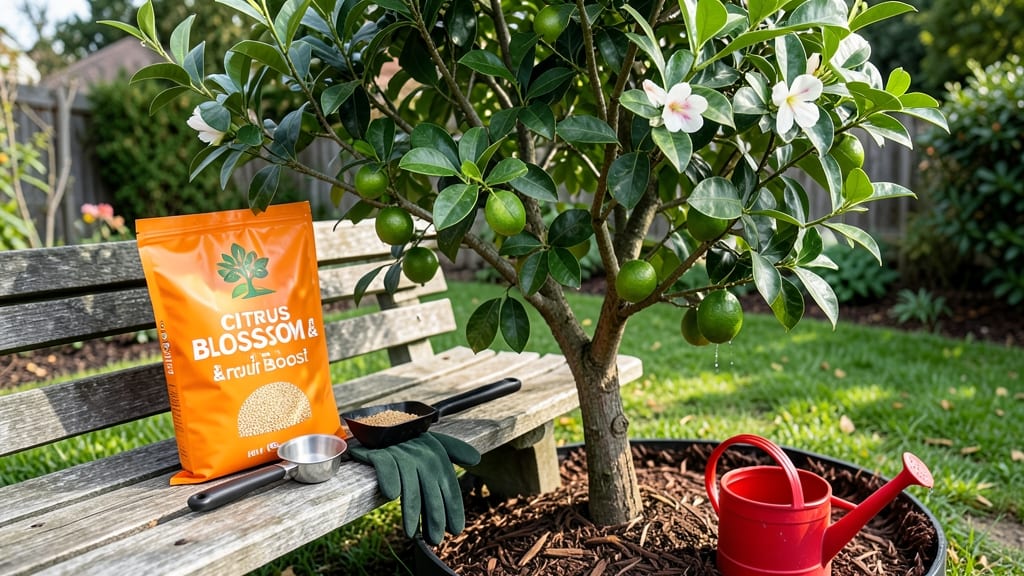
Fertilizing your lime tree at the right time is the key to bigger fruit, faster growth, and fewer problems — and doing it wrong can actually harm your 🍋 tree.
Picture this: You’ve spent months nurturing your lime tree, only to watch it struggle with yellowing leaves or stunted fruit because you fertilized at the wrong season.
The good news? There’s a science-backed schedule that works for General (Tropical/Subtropical Regions), whether you’re in Florida or growing one indoors in Zone 9b.
In this guide, I’ll walk you through the exact months to feed your lime tree, how to tell if it’s hungry or overloaded, and which fertilizers work best for each stage of its life. No guesswork—just results.
You’ll also discover how climate tweaks the timeline (yes, even in winter), plus the one mistake 90% of gardeners make that leads to burned roots. Let’s get started.

Optimal fertilizing schedule for lime trees by season (with climate adjustments)
Fertilizing your lime tree at the right time ensures lush foliage and bountiful fruit, but timing varies dramatically between tropical and temperate climates. In USDA zones 9b-11, lime trees thrive year-round, while in cooler zones, they require indoor winter care.
The key is aligning fertilization with your tree’s growth cycles and climate-specific dormancy periods.
For tropical climates, lime trees grow actively year-round, needing monthly feeding during peak seasons. In temperate zones, fertilization pauses in winter when trees enter dormancy. Always test your soil pH (ideal: 6.0–7.0) before applying fertilizer, as lime trees are sensitive to nutrient imbalances.
Use a citrus-specific fertilizer with balanced NPK ratios (e.g., 6-6-6 or 8-3-9) to avoid overloading roots.
| Season | Climate Zone | Fertilizer Type | Frequency | Key Notes |
|---|---|---|---|---|
| Spring | Tropical | Citrus blend (organic/synthetic) | Every 4 weeks | Start when buds form; avoid nitrogen-heavy fertilizers. |
| Spring | Temperate | Slow-release granules | Once (early spring) | Wait until frost risk passes; use micronutrients. |
| Summer | Tropical | Liquid feed (diluted) | Every 6 weeks | Reduce in drought or extreme heat. |
| Summer | Temperate | Balanced organic | Every 8 weeks | Water deeply after applying to prevent root burn. |
| Fall | Tropical | Potassium-rich | Once (late fall) | Boosts fruit ripening before harvest. |
| Fall | Temperate | None | Skip | Avoid late-season growth; risk of cold damage. |
| Winter | Tropical | Light micronutrients | Optional (every 12 weeks) | Only if tree shows nutrient deficiency. |
| Winter | Temperate | None | Skip | Tree is dormant; focus on mulching and protection. |
In spring, lime trees wake up from dormancy (or continue growing in tropical zones) and need a nutrient boost to support new leaves and flowers. For young trees (under 3 years), use a half-strength fertilizer to avoid shocking tender roots.
Mature trees benefit from a slow-release fertilizer applied in early spring, followed by a liquid feed 6 weeks later to sustain growth during flowering.
During summer, lime trees in tropical climates may need light feeding every 6–8 weeks, but reduce frequency in high heat to prevent stress.
In temperate zones, summer fertilization is minimal—focus on watering deeply and providing shade cloth if temperatures exceed 90°F. Always water your tree 24 hours before and after fertilizing to protect roots from burn.
Fall is a critical transition for lime trees in temperate zones, where fertilization should stop entirely by late August to allow the tree to harden off before winter.
In tropical regions, a potassium-rich fertilizer in late fall supports fruit maturation. Avoid nitrogen-heavy fertilizers, as they promote soft growth vulnerable to cold damage.
Winter care depends entirely on your climate zone. In tropical areas, lime trees remain active and may benefit from a light micronutrient feed if leaves show signs of yellowing. In temperate zones, winter is a <
Signs your lime tree needs fertilizer (and when to avoid it)
Your lime tree’s leaves tell a story—yellowing foliage, sparse fruit, or slow growth are all red flags that it’s time to fertilize. But here’s the catch: these signs can also mean over-fertilization or underlying issues like pests or poor drainage.
The key is learning to read your tree’s root health and nutrient needs before reaching for the fertilizer.
Before you grab that bag of citrus fertilizer, check for three critical signs your lime tree is hungry: small, pale leaves (a sign of nitrogen deficiency), stunted fruit (calcium or magnesium deficiency), or thin, weak branches.
These clues help you avoid the #1 mistake—fertilizing when your tree doesn’t need it. Let’s break down what’s normal, what’s not, and when to skip fertilization entirely.
When to Fertilize Your Lime Tree
✅ Do Fertilize When...
- 🌱 New growth appears in spring (March-May)
- 🍋 Fruit is small or sparse (calcium/magnesium deficiency)
- 💧 Soil is dry but not drought-stressed
- 🌡️ Temps stay above 60°F (active growth phase)
❌ Avoid Fertilizing When...
- 🌧️ Drought conditions (roots need moisture first)
- 🌡️ Temps drop below 50°F (tree is dormant)
- 🌱 Transplant shock (wait 6-8 weeks after planting)
- 🍂 Fall or winter (growth slows; risk of burned roots)
Pay close attention to your lime tree’s root health. If you see white, fibrous roots when checking soil moisture, your tree is likely underfed. But if roots look black or mushy, you’ve overdone it—over-fertilization causes root burn.
Always water deeply after fertilizing to help nutrients reach the roots safely.
Young lime trees (under 3 years old) need light, frequent feedings—think every 4-6 weeks during growing season—while mature trees can handle heavier doses twice a year. The trick? Use a citrus-specific fertilizer with balanced NPK (6-6-6) and micronutrients like magnesium to prevent deficiencies.
Never fertilize during transplant shock—this is a critical mistake that stresses roots further. Wait until your tree shows new leaves and steady growth before introducing fertilizer. Similarly, skip fall fertilization in colder climates to avoid encouraging late-season growth that won’t survive winter.
Pro tip: Test your soil’s pH (6.0-7.0 ideal) before fertilizing. Lime trees thrive in slightly acidic soil, and adjusting pH can solve nutrient uptake issues without extra fertilizer.
If your tree’s leaves turn yellow with green veins, it’s a classic sign of iron deficiency—often fixed with chelated iron instead of general fertilizer.