
Fertilization
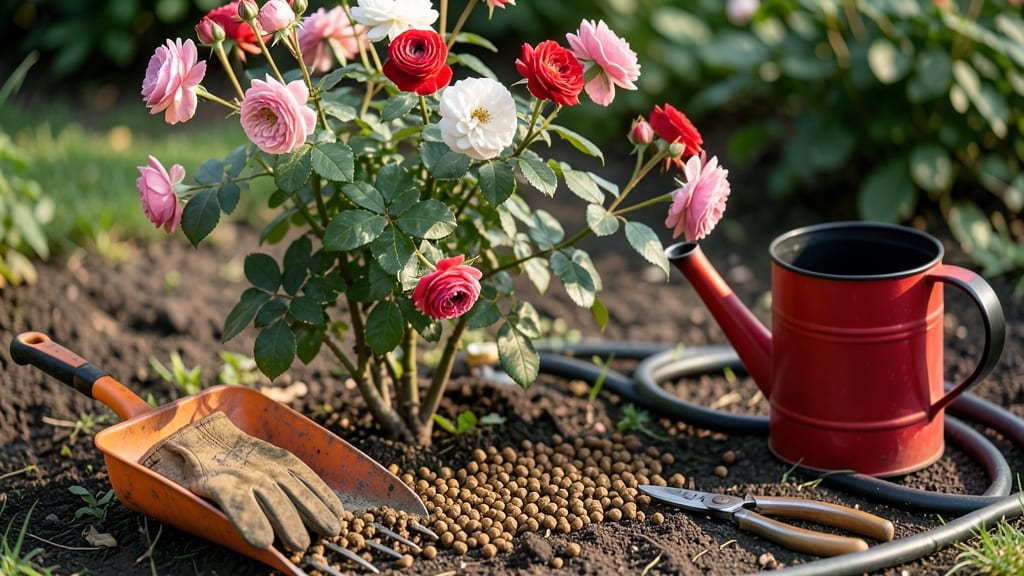
Fertilizing roses in Zone 8 at the right times is the secret to those showstopping blooms you’ve been dreaming of—timing matters more than you think.
If you’ve ever watched your 🌹 roses put out lush green leaves but skip the flowers, you’re not alone. Zone 8’s mild winters and long growing season throw off even experienced gardeners, making it tricky to know when to feed without overdoing it.
The key is feeding early spring (right after pruning) and again in late spring to fuel blooms, but skipping fall entirely to let the plant rest. Below, I break down the exact schedule, the fertilizers that work best, and the mistakes that kill roses faster than aphids.
You’ll leave here with a clear plan for feeding your roses—no guesswork, just blooms that last from spring through summer.

Optimal fertilization timeline for Zone 8 roses: spring vs fall breakdown
Fertilizing roses in Zone 8 requires precision timing to match your plants' natural growth cycles. Unlike cooler climates, Zone 8's extended growing season means roses stay active longer, demanding a spring-heavy fertilization schedule with careful summer adjustments.
The key is feeding when roots are actively growing—not when they're dormant or stressed by heat.
I've learned the hard way that over-fertilizing in summer can lead to weak, disease-prone growth, while skipping spring feedings results in sparse blooms. Zone 8 roses need 3-4 feedings annually, all timed to support root development and bloom production.
Let's break down the exact months and milestones that work best for your climate.
Your first feeding should happen immediately after pruning in late winter/early spring (February-March). This is when roots are most active and can absorb nutrients efficiently. I recommend using a balanced 10-10-10 fertilizer at this stage to promote overall plant health and new cane development.
By April, switch to a high-phosphorus fertilizer (5-10-10) when you see buds forming. Phosphorus is crucial for bloom development, and this timing ensures your roses will produce their most vibrant flowers in spring.
I've noticed that roses fertilized this way in Zone 8 often bloom 2-3 weeks earlier than those missed this step.
The summer months in Zone 8 demand special attention. After your first spring bloom cycle (typically May), reduce feeding to half-strength applications every 6-8 weeks. This prevents overly soft growth that's prone to black spot fungus in our humid summers.
I've seen many gardeners make the mistake of continuing heavy feeding, which leads to weak stems and fewer blooms later in the season.
Here's a pro tip: Water deeply before applying fertilizer in summer to prevent root burn. Zone 8's heat can intensify fertilizer concentration in the soil, so always dilute liquid fertilizers or use slow-release granules during these months.
I've had great success with osmocote rose fertilizer pellets that release nutrients gradually over 3 months.
Fall fertilization is a common mistake in Zone 8. Many gardeners think feeding in autumn will prepare roses for winter, but this actually stimulates new growth that won't harden off before cold weather.
Instead, focus on cleaning up fallen leaves and mulching to protect roots. I've seen roses fertilized in fall produce weak, late-season growth that gets damaged by our November frosts.
Winter is the perfect time to evaluate your fertilization strategy. Take notes on bloom quantity and quality from the previous year. If your roses had small, sparse blooms, you may need to increase spring feeding.
For vigorous but few-flowering roses, the issue might be too much nitrogen—switch to a higher phosphorus formula next spring. I keep a simple garden journal with bloom counts and fertilization dates to track what works best each year.
Remember that soil temperature is just as important as air temperature in Zone 8. Wait until soil reaches at least
Best fertilizers for Zone 8 roses: organic vs synthetic options compared
Choosing the right fertilizer for your Zone 8 roses is like picking the perfect pruning shears—get it wrong, and you’ll struggle to keep those showstopping blooms coming. In our warm climate, roses thrive on a balanced diet of nutrients, but the type you choose can make or break their performance.
Organic options build soil health over time, while synthetic fertilizers deliver quick results. Let’s break down the best choices for your hybrid teas, climbers, and everything in between.
The first decision is simple: organic or synthetic? Organic fertilizers like compost or aged manure improve soil structure and microbial life, which is especially valuable in Zone 8’s sandy or clay-heavy soils. Synthetic options, on the other hand, offer precise NPK ratios (like 10-10-10) for instant growth.
The right pick depends on your roses’ needs—climbers benefit from steady organic feeding, while hybrid teas often respond better to synthetic boosts during bloom season.
Here’s the breakdown of when to use each type, along with their pros and cons for Zone 8 gardeners:
Organic vs. Synthetic Fertilizers for Zone 8 Roses
Organic Fertilizers
- ✅ Pros:
- Improves soil structure over time
- Enhances microbial activity in Zone 8 soils
- Slow-release nutrients reduce burn risk
- Best for long-term health of roses
- ❌ Cons:
- Results take 4-6 weeks to appear
- May require more frequent applications
- Can attract pests if not composted properly
Synthetic Fertilizers
- ✅ Pros:
- Delivers immediate nutrient boost
- Precise NPK ratios for bloom production
- Easy to measure and apply
- Ideal for quick fixes before major blooms
- ❌ Cons:
- Can cause nutrient burn if overapplied
- Doesn’t improve soil health long-term
- Requires regular monitoring of pH levels
Best for Zone 8: Start with organic in early spring, then switch to synthetic for mid-season bloom support.
For Zone 8’s unique climate, I recommend starting with a balanced organic fertilizer like composted manure or fish emulsion in early spring (March). This kickstarts root growth without overwhelming your roses.
Once blooms appear (late spring to early summer), switch to a synthetic 10-10-10 or 5-10-10 (high phosphorus) to fuel those showstopping flowers. The key is timing—never fertilize after July in Zone 8, as it encourages tender new growth that won’t survive our hot summers.
Don’t forget to test your soil pH first—roses prefer a slightly acidic range of 6.0-6.5. If your soil is too alkaline (common in Zone 8), organic amendments like peat moss or sulfur can help adjust it naturally.
For climbing roses, lean toward organic options to support their long-term vigor, while hybrid teas often respond better to synthetic boosts during their peak bloom season.
Pro tip: Mix slow-release granules into the soil at planting time for a steady nutrient supply all season long. This works especially well for newly planted roses in Zone 8, where our long growing season can deplete nutrients quickly.
Just remember—less is more with synthetic fertilizers. Overfeeding can lead to leaf burn or stunted blooms, which is the last thing you want after all that hard work.
Your roses will thank you with vibrant blooms from spring through fall if you match the fertilizer to their needs—and the season. Now go ahead and give your Zone 8 roses the nutrient boost they deserve! 🌹