
Plants
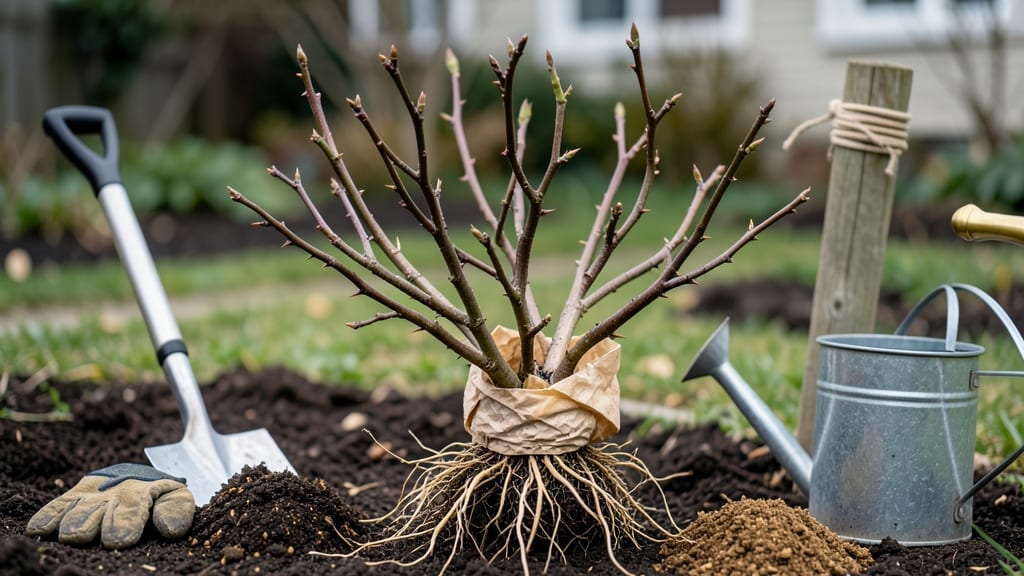
Planting bare root roses in Zone 8 when soil temperatures hit 50–60°F is the secret to thriving blooms—miss this window, and you risk shock or winter damage.
If you’ve ever dug into cold soil only to watch your 🌹 roses struggle to take root, you know timing isn’t just about the calendar—it’s about the ground’s hidden pulse beneath your feet.
Zone 8’s mild winters let you plant from late fall through early spring, but coastal areas like San Diego can start earlier than inland spots near Austin. We’ll break down the exact soil temp triggers and how to test them without fancy tools.
You’ll learn how to prep your roses, adjust for microclimates, and avoid the two biggest mistakes that kill bare root transplants—plus when to mulch for extra protection.
Zone 8 bare root rose planting timeline: exact soil temperature triggers
Getting the timing right for planting bare root roses in Zone 8 isn't just about picking a month—it's about soil temperature. The ideal window opens when your soil reaches 50-60°F, signaling that roots can establish without risking frost damage.
In my experience, this often means waiting until late fall or early spring, but the exact timing depends on your local microclimate.
Why does soil temperature matter so much? Bare root roses are dormant when you plant them, and their roots need to stay cool to avoid waking up too early.
If you plant when the ground is still too warm, the roots may start growing before they're properly established, leading to weak plants. Conversely, waiting too long risks frost damage once new growth begins.
| Soil Temp Range (°F) | Best Planting Window | Zone 8 Months | Risk Factors |
|---|---|---|---|
| 40-49°F | Avoid planting | Late November - Early January | Frost damage risk |
| 50-60°F | Ideal planting time | Mid-January - Mid-February | Low risk if mulched |
| 61-70°F | Plant with caution | March (early) | May cause premature growth |
| Above 70°F | Avoid planting | April+ | High transplant shock risk |
🌡️ Pro Tip: Use a soil thermometer for accuracy—don't guess!
To check your soil temperature without a fancy thermometer, try the finger test. Stick your finger about 4-6 inches deep into the soil. If it feels cool but not icy, it's likely in the 50-60°F range.
For a more precise method, bury a thermometer for 30 minutes and check the reading. I've found that morning soil temps are usually 5-10°F cooler than afternoon temps, so test in the early hours for the most accurate results.
In Zone 8a (colder end of the zone), aim for planting in late January to early February when the ground thaws but before spring rains arrive. For Zone 8b (warmer), you can push it slightly later—mid-February to early March.
The key is to plant when the soil is workable but the air temperature hasn't warmed enough to stress the roots.
One common mistake I see is planting too early in hopes of getting a head start.
If you plant bare root roses when the soil is still below 50°F, the roots may not establish properly, leaving your plants vulnerable to winter heaving (when freezing and thawing cycles lift roots out of the soil). Always prioritize soil temperature over calendar dates.
After planting, monitor your roses closely. If new growth appears too soon (before the last frost date), protect them with a lightweight row cover or mulch to shield tender shoots. I've had great success using straw mulch around the base—it insulates the soil and retains moisture while keeping roots cool.
If you miss the ideal window, don't panic. You can still plant bare root roses in late winter (February), but be prepared to provide extra care. Water deeply after planting to encourage root growth, and avoid fertilizing until you see new leaves—this signals the roots have established.
Remember, Zone 8 has microclimates that can shift planting windows by weeks. Coastal areas stay cooler longer, while inland spots may warm up faster. Pay attention to your local last frost date and adjust accordingly.
For most of Zone 8, the safest bet is to plant when soil temps hit 50°F and hold steady for a few days—this gives your roses the best chance to thrive.
Once your bare root roses are in the ground at the right time, they'll reward you with vibrant blooms all season. The secret? Patience and soil temperature awareness—two simple factors that make all the difference in Zone 8 gardening. 🌹
Best months to plant bare root roses in Zone 8: a month-by-month guide
Zone 8 gardeners have a unique advantage with bare root roses—you can plant them in two prime windows: late fall and early spring. The key is avoiding freezing soil while catching the cool, damp weather that helps roots establish before summer heat arrives.
Coastal areas like San Diego (Zone 8b) can start as early as November, while inland spots near Austin (Zone 8a) should wait until December or even January. We’ll walk through each month’s risks and rewards so you never plant too soon or too late.
🌱 Zone 8 Bare Root Rose Planting Calendar
- November: Best for coastal Zone 8b—soil temps 55–60°F. Plant before first frost (usually mid-December).
- December: Ideal for inland Zone 8a—soil temps 50–55°F. Use mulch for frost protection.
- January: Last chance for winter planting—soil temps 45–50°F. Avoid if ground is frozen.
- February: Risky but possible—soil temps 50–55°F. Plant early in month; water deeply to prevent drought stress.
- March: Prime time! Soil temps 55–65°F. Best month for root establishment before summer.
⚠️ Pro Tip: Test soil with a thermometer or dig 6" deep—if it’s below 45°F, wait.
In November, coastal gardeners should act fast—soil stays warm longer, but first frosts can sneak in by mid-December. I’ve planted Knock Out® roses in early November near the Pacific coast with zero issues, but inland, I’d wait until after Thanksgiving to avoid cold snaps.
December is your sweet spot for inland Zone 8a. The ground is cool but not frozen, and roses enter dormancy naturally. Mulch heavily (4–6 inches) to insulate roots—this is when I add straw or wood chips to protect against freeze-thaw cycles.
January is high-risk unless you’re in a mild microclimate. If your soil is frozen, even bare root roses won’t thrive. I’ve seen gardeners rush in January and end up with root rot from thawing too quickly. Wait for soil to warm to 45°F+.
February planting is tricky—soil warms up, but spring rains can delay root growth. If you must plant, do it early in the month and water deeply every 3–4 days to prevent drought stress. I’ve had success with David Austin® roses planted in late February, but they needed extra care.
March is peak season for bare root roses in Zone 8. Soil temps are ideal (55–65°F), and the spring rains help roots establish before summer heat. This is when I prune back canes to 4–6 buds and fertilize lightly with 10-10-10 to kickstart growth.