
Trees
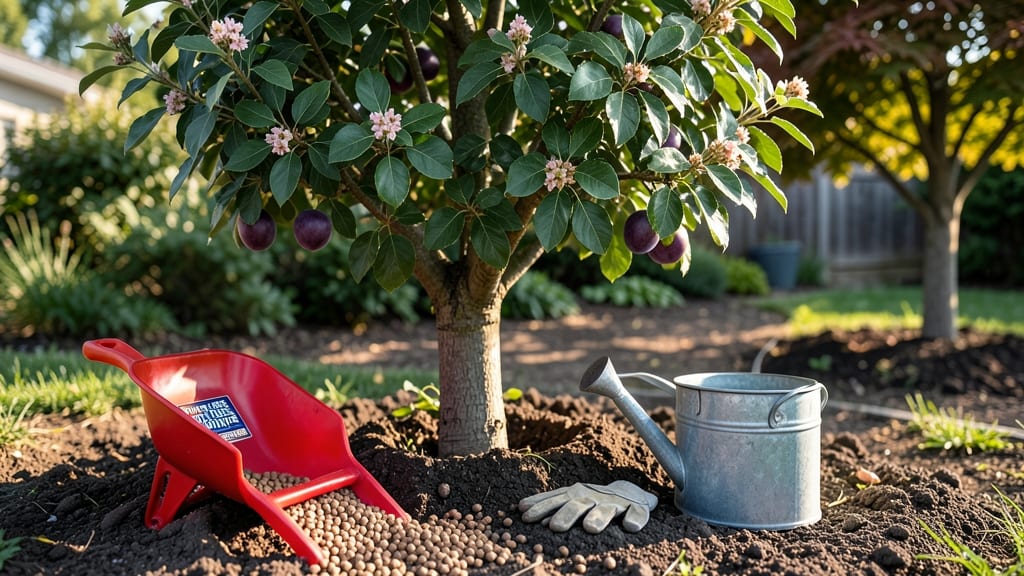
To fertilize plum trees in California, time it with early spring and late summer for maximum fruit production 🍑 — the Mediterranean climate demands precision to avoid stressing the tree.
California’s Mediterranean climate creates the perfect conditions for growing juicy, flavorful plums—but only if you fertilize at the right times. Miss the optimal window, and you’ll risk poor fruit set, stunted growth, or even tree decline.
Young trees need a kickstart in late winter (February-March) to fuel root growth, while mature trees benefit from a second feeding in June after harvest. Coastal areas may adjust slightly due to milder winters, but the core principle stays the same: feed when the tree is actively growing, not dormant.
Below, I break down the exact timing by region, the best fertilizer types for your tree’s age, and how to read your plum tree’s signals—so you never over- or under-feed again.

Best fertilization times for plum trees in California’s climate zones
California’s diverse climate zones—from the foggy coastal regions to the hot Central Valley—create unique challenges for plum tree fertilization. Timing is everything: fertilize too early, and you’ll waste nutrients; too late, and your tree may struggle to set fruit.
The key is aligning fertilization with your local temperature triggers and rainfall patterns, which vary dramatically between zones.
For example, coastal areas (USDA Zones 9-10) like San Francisco enjoy mild winters and can start fertilizing as early as late February, while inland zones (USDA 8-9) like Fresno should wait until mid-March when soil temperatures rise above 55°F.
Understanding these microclimates ensures your plum tree gets nutrients when it needs them most—during active growth phases like bud break and fruit development.
Here’s a science-backed schedule tailored to California’s two primary climates, including adjustments for organic vs. synthetic fertilizers and critical post-harvest timing to avoid stressing your tree during its most vulnerable periods.
| Season & Trigger | Coastal Zones (9-10) | Inland Zones (8-9) | Fertilizer Type | Notes |
|---|---|---|---|---|
| Early Spring (Feb-March) | Late Feb (50°F soil temp) | Mid-March (55°F soil temp) | Balanced (10-10-10) or compost | Light feed to stimulate bud break |
| Late Spring (April-May) | Early April (after bloom) | Late April (post-bloom) | High-nitrogen (for leaf growth) or fish emulsion | Avoid over-fertilizing—can reduce fruit set |
| Post-Harvest (July-August) | Early July (after harvest) | Mid-July (post-harvest) | Slow-release organic (e.g., alfalfa pellets) | Rebuilds nutrients after fruit production |
| Fall (October-November) | None (dormancy prep) | None (dormancy prep) | N/A | Focus on mulching and watering |
| Winter (December-February) | None (dormant season) | None (dormant season) | N/A | Soil testing recommended for spring |
In coastal zones, where winters are mild and rainfall is consistent, your plum tree’s first fertilization should happen in late February once soil temperatures hit 50°F. This aligns with bud break and gives your tree the phosphorus and potassium it needs for root development and flower formation.
Use a balanced fertilizer (10-10-10) or well-aged compost to avoid overstimulating growth too early.
For inland zones, wait until mid-March when soil temperatures consistently stay above 55°F. The hotter climate means your tree’s dormancy lasts longer, and fertilizing too soon can lead to burned roots or excessive leaf growth at the expense of fruit production.
A slow-release organic fertilizer, like alfalfa pellets, is ideal here because it mimics natural nutrient availability and reduces the risk of nutrient runoff during California’s occasional spring rains.
After the blooming phase, shift to a high-nitrogen fertilizer in early April (coastal) or late April (inland) to support leaf expansion. However, be cautious—too much nitrogen can delay fruit ripening.
I recommend a fish emulsion or blood meal for organic growers, as these provide a gentle nitrogen boost without overwhelming the tree. Apply it in the early morning to prevent leaf burn from midday sun.
The post-harvest window (July-August) is often overlooked but critical for preparing your plum tree for the next season. After harvest, your tree has depleted its nutrient reserves, so a light application
Signs your plum tree needs fertilizer (and when to avoid it)
Your plum tree 🍑 might be silently screaming for nutrients without you realizing it. Yellowing leaves, sparse fruit production, or weak branch growth are classic red flags.
These visual cues often appear when your tree isn’t getting enough nitrogen, phosphorus, or potassium—key nutrients for healthy foliage and fruit development.
But here’s the catch: over-fertilizing can cause just as many problems as under-fertilizing. Too much nitrogen, for example, can lead to excessive leafy growth at the expense of fruit production, while drought stress or recent transplant shock can make your tree vulnerable to fertilizer burn.
🚨
- Drought conditions: Fertilizing during dry spells stresses roots further.
- Recent transplanting: Wait 6-12 weeks to avoid root damage.
- Summer heatwaves: Trees in California’s 10a+ zones may burn from fertilizer in 90°F+ temps.
- Fungal issues: If you see powdery mildew or root rot, skip fertilizer until treated.
One of the most obvious signs your plum tree needs fertilizer is pale or yellow leaves, especially on new growth. This often indicates a nitrogen deficiency, which is common in sandy California soils.
Another giveaway? Small, sparse fruit or poor color development—a sign your tree lacks phosphorus or potassium for fruit maturation.
Pay attention to branch growth too. If your tree’s branches are thin, weak, or dying back, it’s a clear signal of nutrient starvation. Slow spring growth after bud break is another warning sign, especially in coastal California where cooler temps can delay nutrient uptake.
For organic gardeners, consider adding compost or worm castings in early spring to boost soil fertility naturally. If you notice stunted root growth or wilting despite regular watering, a balanced 10-10-10 fertilizer applied in March or April can revive your tree’s vigor.
Remember, California’s microclimates play a huge role. Inland areas like the Central Valley may need earlier fertilization (February) to compensate for faster nutrient depletion, while coastal regions can wait until late March when temps rise. Always test your soil first!
If your tree shows multiple deficiency signs, split your fertilizer applications into two doses: one in early spring and another in late spring after flowering. This mimics natural nutrient cycles and prevents overloading the roots.