
How To
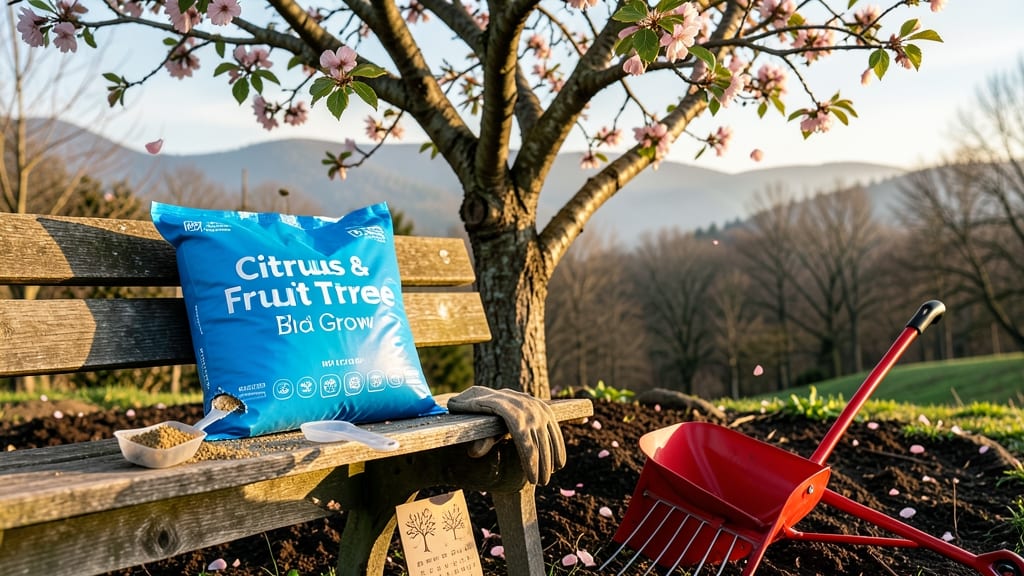
Fertilizing your fruit tree at the right time can mean the difference between a bountiful harvest and a few sad apples hanging on the branch.
Timing your fruit tree fertilization isn’t just about feeding the plant—it’s about unlocking the full potential of your harvest, whether you’re growing apples, peaches, or citrus. Miss the window, and you might end up with weak branches or fruit that never quite ripens.
Most fruit trees need their first feeding in early spring, just as buds begin to swell but before leaves emerge. This kickstarts growth without overwhelming the tree, setting it up for strong flowering and fruit set.
But regional climate plays a big role—if you’re in a warmer zone like 6a, you might need to adjust timing slightly to avoid summer stress.
Below, I’ll break down the exact seasonal triggers, from the first signs of new growth to the best fertilizer types for each stage. You’ll learn how to read your tree’s signals and keep it thriving year after year.

Best seasons to fertilize fruit trees for maximum growth
Fertilizing your fruit trees at the right time can mean the difference between a modest harvest and a bountiful crop. The best seasons to fertilize are early spring and late summer, but the exact timing depends on your tree’s growth stage and your local climate.
For example, in Zone 6a, I fertilize my apple trees in March and July, but citrus trees in warmer zones need a different schedule. Understanding these seasonal triggers helps your tree allocate nutrients where they’re needed most—whether for root development, flowering, or fruit production.
Spring fertilization kickstarts growth after winter dormancy, while summer applications support fruit development without overstimulating late-season growth. However, fall and winter are off-limits for most fruit trees, as feeding during these months can encourage tender new growth that won’t survive frost.
Let’s break down the optimal timing for each season, including regional adjustments for cooler climates (like the Pacific Northwest) and warmer zones (like Florida or California).
| Season | Best Time to Fertilize | Purpose | Regional Adjustments |
|---|---|---|---|
| Early Spring | After last frost, when buds swell | Stimulates root growth and flower buds | Cooler zones: Wait until soil warms (60°F+) |
| Late Spring | After flowering, before fruit sets | Supports fruit development | Warmer zones: May-June for citrus |
| Summer | Mid-summer (July-August) | Light feed to avoid overgrowth | Drought areas: Use slow-release fertilizer |
| Fall | Avoid fertilizing; tree prepares for dormancy | None; tree stores nutrients | Exception: Tropical zones (e.g., Florida) may fertilize lightly in early fall |
| Winter | No fertilization; tree is dormant | None; focus on pruning | All regions; avoid disturbing roots |
In early spring, I focus on root development by applying a balanced fertilizer (like 10-10-10) when the soil is workable and buds are just beginning to swell. This timing ensures your tree has the energy to produce healthy blossoms and set fruit.
For example, my peach tree in Zone 7 gets its first feeding in late February, while a blueberry bush (which is technically a shrub but often grouped with fruit trees) needs acid-loving fertilizer in early March.
If you’re in a warmer climate, like Zone 9 or 10, you might fertilize your citrus trees twice in spring—once in February and again in April. The key is to align fertilization with the tree’s natural growth cycle.
For instance, avocado trees in California benefit from a light feeding in March and another in July to support fruit maturation without encouraging late-season vulnerability to frost.
By mid-summer, most fruit trees need a light fertilizer application to sustain fruit growth without promoting excessive foliage. I use a half-strength dose of my usual fertilizer in July for my apple trees, which helps maintain a balance between fruit size and tree health.
In drier regions, like the Southwest, I opt for slow-release fertilizers to prevent nutrient runoff during irrigation.
One common mistake is fertilizing in fall or winter, which can lead to new growth that’s susceptible to frost damage. Instead, I use this time to prune dead branches and mulch the base of the tree to protect roots.
In cooler climates, like the Pacific Northwest, I also monitor soil temperature—fertilizing too early in cold soil can burn roots instead of nourishing them.
For young fruit trees (under 3 years old), I adjust the timing slightly by fertilizing more frequently but in smaller amounts. A 6-6-6 fertilizer applied every 6-8 weeks from spring through summer helps establish a strong root system and framework for future growth.
Mature trees, on the other hand, can handle a heavier feeding in spring and a light touch in summer, as they’ve already built up reserves.
Regional climate plays a huge role in timing. In northern states, like Minnesota or Maine, I wait until after the last frost (often May) to fertilize, while in Florida or Texas, I might fertilize as early as January.
Pay attention to your local frost dates and adjust accordingly. For example, if you’re in
Signs your fruit tree needs fertilizer (and when to act)
Your fruit tree might be silently screaming for nutrients without you even noticing. Yellowing leaves, stunted growth, or sparse fruit production are classic red flags that your tree isn’t getting what it needs. Leaf color changes—like pale green or purple hues—often signal nitrogen or phosphorus deficiencies, while weak branch growth can indicate a lack of potassium.
Even if your tree looks healthy, soil tests every 2-3 years reveal hidden nutrient imbalances that affect harvest quality.
Young fruit trees (under 3 years old) need more frequent feeding—typically every 4-6 weeks during growing season—while mature trees often thrive on annual or biennial fertilization.
The key is observing seasonal cues: if buds swell weakly in spring or fruit sets poorly, your tree’s telling you it’s time to act. Adjust timing based on tree age and health, but never fertilize after mid-summer to avoid encouraging late-season growth vulnerable to frost.
⚠️ callout-warning ⚠️
- Overfeeding in fall: New growth risks frost damage. Stop fertilizing 6-8 weeks before first frost.
- Ignoring soil tests: Guessing nutrient needs leads to waste or deficiencies. Test every 2-3 years.
- Skipping young trees: Trees under 3 years need monthly feeding for root establishment.
🌱 Pro Tip: Water trees deeply 24 hours before fertilizing to prevent root burn.
Start by examining your tree’s leaves and branches. Yellow leaves with green veins often mean nitrogen deficiency, while small, dark leaves suggest phosphorus issues. Thin canopy growth or fewer blossoms than usual? These are clear signals to fertilize in early spring (March-April) when roots are active.
For citrus trees, watch for leaf drop or blossom failure—both signs of micronutrient shortages like zinc or iron.
Soil tests are your best tool for precision. A pH below 6.0 or above 7.5 locks out nutrients, while low organic matter (1-2%) means your tree can’t access what’s already in the soil.
If tests show deficiencies, amend soil with compost or targeted fertilizers. For example, Epsom salt (magnesium sulfate) can revive trees with yellowing between leaf veins, a classic magnesium deficiency symptom.
Adjust your fertilization schedule based on tree age and health. A 5-year-old apple tree with slow growth might need a balanced 10-10-10 fertilizer in early spring, while a 20-year-old peach tree producing small fruit could benefit from a low-nitrogen, high-phosphorus boost in late winter.
Always water thoroughly after applying fertilizer to help nutrients reach roots.
Don’t wait until your tree is struggling to act. Preventative feeding in early spring (when buds swell) and a light summer top-dressing keep trees thriving. For organic growers, try compost tea or fish emulsion—both release nutrients slowly and improve soil structure.
Pay attention to your tree’s growth patterns: if it’s outpacing its peers or flowering late, it’s likely getting just the right nutrients at the right time.