
Trees
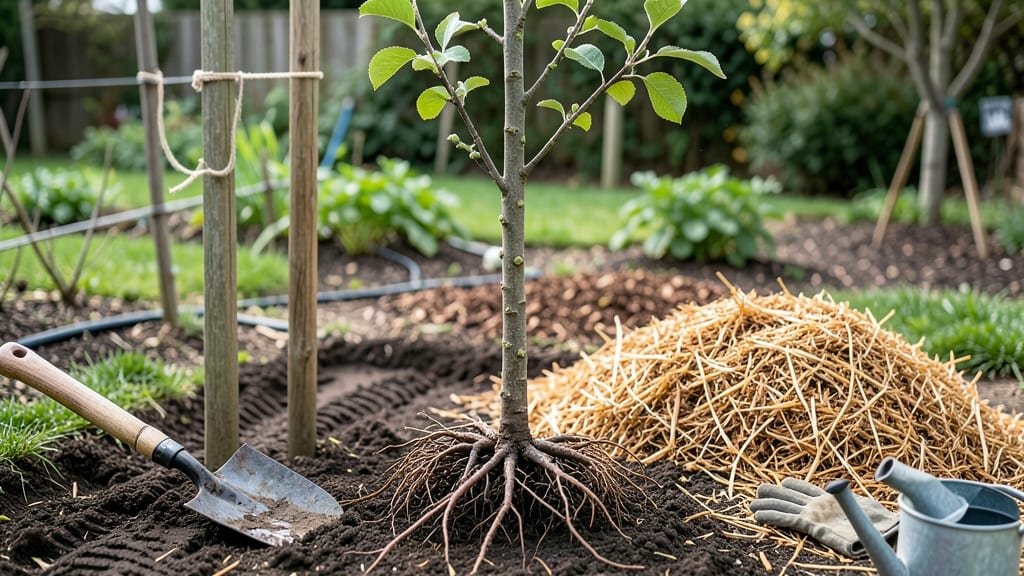
Planting apple trees in Oregon during late winter or early spring sets the stage for strong root growth before bud break, avoiding frost damage and ensuring a thriving orchard 🍎.
Timing is everything when planting apple trees in Oregon—get it wrong, and your orchard could struggle with frost damage or poor root establishment. But master the right window, and you’ll set the stage for decades of bountiful harvests.
Oregon’s varied microclimates mean the best months shift from the Willamette Valley’s milder winters to the High Desert’s later frost dates. Whether you’re in Portland or Bend, knowing your last frost date is the key to success.
Below, I break down the ideal planting windows by region, soil prep tips, and how to choose between dormant and bare-root trees for maximum survival in Oregon’s unique growing conditions.
Best planting months for apple trees in Oregon’s 5 microclimates
Oregon’s diverse climate means your apple tree’s success depends entirely on where you plant it. The Willamette Valley and Rogue Valley offer milder winters, while the High Desert and Columbia Gorge face harsher frost risks.
Even the Coast Range has its own unique timing needs. Let’s break down the ideal planting windows for each region to ensure your tree thrives from day one.
Apple trees need 6-8 hours of sunlight daily and well-draining soil, but the real challenge is timing your planting to avoid late spring frosts or early fall freezes. In Oregon, this means planting bare-root trees in late winter (February–March) or container-grown trees in early spring (April).
The key is getting roots established before buds swell—too early, and roots rot; too late, and frost damages new growth.
🍎 Oregon Apple Tree Planting Guide by Microclimate
| Region | Ideal Planting Window | Frost Risk | Soil Prep Tip |
|---|---|---|---|
| Willamette Valley | Late February–March | Moderate (last frost: April 15) | Amend clay soil with compost |
| Columbia Gorge | March–early April | High (last frost: May 1) | Plant on south-facing slope |
| High Desert (Bend) | Early April–May | Very high (last frost: May 15) | Use windbreaks and mulch heavily |
| Coast Range (Astoria) | February–March | Low (last frost: March 20) | Test soil pH (6.0–7.0) |
| Rogue Valley (Medford) | Late February–March | Moderate (last frost: April 1) | Add organic matter for drainage |
The Willamette Valley (USDA Zone 8) is the most forgiving, with planting windows from late February to March. This region’s mild winters and rich soil make it ideal for varieties like Fuji or Gala.
Just ensure your soil drains well—Oregon’s clay-heavy soil can suffocate roots if not amended with compost or sand.
For the Columbia Gorge and High Desert, delay planting until March or April to avoid late spring frosts. These areas experience colder nights and earlier freezes, so choose frost-hardy varieties like Granny Smith or Honeycrisp.
Plant on south-facing slopes to maximize warmth and use windbreaks to protect young trees.
The Coast Range offers the earliest planting window (February–March) thanks to its milder coastal climate. However, poor drainage is a common issue. Test your soil’s pH level (aim for 6.0–7.0) and consider raised beds if your yard floods easily.
Varieties like Pink Lady thrive here with minimal frost risk.
In the Rogue Valley, where Medford’s microclimate extends the growing season, plant in late February or March. This region’s warmer days and cool nights are perfect for late-season varieties like Ambrosia or Cripps Pink.
Focus on improving soil drainage—rocky or sandy soil here can dry out quickly, so mulch heavily to retain moisture.
No matter where you plant, water deeply after planting and mulch with wood chips to protect roots. Avoid fertilizing until spring growth begins—waiting ensures roots establish before new leaves demand nutrients.
With the right timing, your apple tree will reward you with decades of harvests, even in Oregon’s tricky climate.
🌱
How Oregon’s frost dates affect your apple tree planting success
Oregon’s variable frost dates can make or break your apple tree’s survival. In USDA Zones 7b–9a, last spring frosts often hit between April 1–May 15, while first fall frosts arrive as early as October 15 in cooler regions.
These dates dictate when to plant cold-sensitive varieties like Gala or Fuji, which need time to establish roots before winter dormancy.
Planting too early risks frost damage to new shoots, while planting too late may stunt root growth before winter. The key is timing your planting to align with soil thaw and bud swell—typically between February and early April—giving roots time to establish before the next frost cycle.
For example, in Portland (Zone 8a), the last frost averages March 15, while Bend (Zone 6b) can see frosts until May 1.
⚠️ Critical Frost Timing for Oregon Apple Trees
Last Spring Frost: Plant 4–6 weeks before average last frost to avoid shoot damage. Gala and Fuji need 60–90 frost-free days to mature.
First Fall Frost: Roots must harden by October 15–November 1 in most zones. Use mulch to protect roots if planting in late fall.
Zone 7b (e.g., The Dalles): Plant by March 15 to avoid late frosts.
Zone 9a (e.g., Medford): Can plant until April 15 with minimal frost risk.
Cold-sensitive varieties like Fuji or Gala thrive when planted in early spring (February–March) because they require warmer soil temperatures (above 40°F) to root effectively. In contrast, hardier varieties like Granny Smith can tolerate later plantings.
Always check local frost calendars—resources like the Oregon State University Extension provide region-specific data.
Adjust your planting timeline by 1–2 weeks based on microclimates. For instance, Coastal Oregon (Zone 8b–9a) has later frosts, allowing plantings until April 15, while High Desert areas (Zone 6b–7a) demand earlier plantings by March 1.
Use row covers or frost cloth if extending the window for late plantings.
Monitor soil temperature with a probe—ideal planting conditions occur when soil reaches 50°F+ at 4 inches deep. In Willamette Valley, this typically happens by late February, while Southern Oregon may wait until March 15.
Pair this with well-draining soil and full sun exposure to maximize root growth before winter.
Remember: Frost dates shift yearly. Use 3–5 years of historical data to refine your timing. For example, if your area’s last frost averaged March 15 but shifted to April 1 recently, adjust your planting window accordingly.
With the right timing, your apple tree will establish strong roots and reward you with decades of harvests—not frost-nipped failures. 🌱