
How To
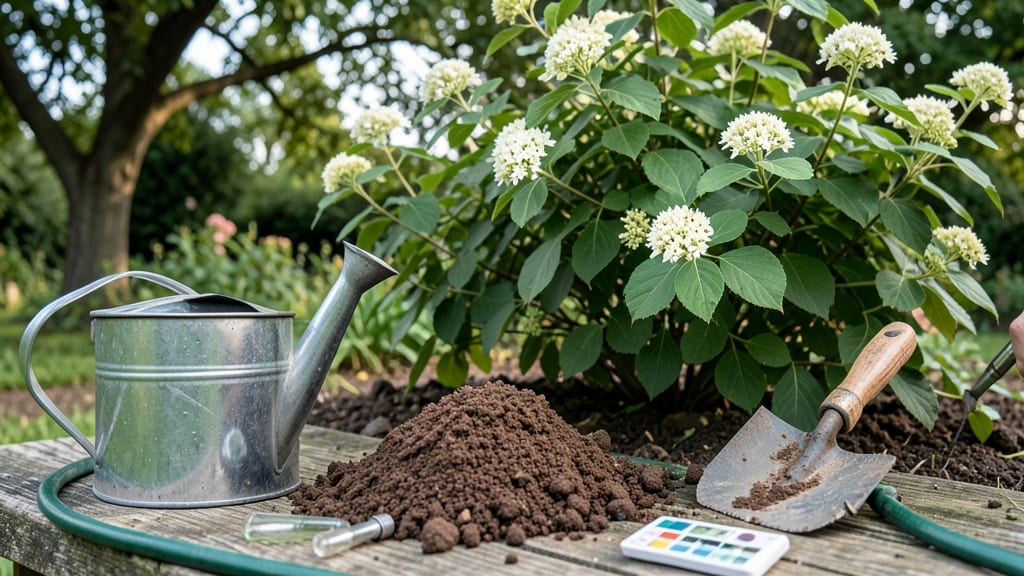
To fertilize viburnum at the right time means giving your 🌿 shrubs the boost they need for vibrant blooms and strong growth.
Struggling to keep your viburnum bushes thriving with vibrant blooms and lush foliage? Timing your fertilization correctly is the secret weapon most gardeners overlook—yet it can transform a struggling shrub into a showstopper.
Most gardeners assume spring is the only time to fertilize, but the truth is more nuanced. Early spring feeds new growth, while late summer preps your viburnum for next year’s blooms. Regional climate and soil type play a role too, so let’s break down the best schedule for your zone.
You’ll discover when to feed, what type of fertilizer works best, and how to avoid common mistakes that can harm your shrubs. Ready to give your viburnum the care it deserves?

Best times of year to fertilize viburnum for optimal growth
Timing your viburnum fertilization isn't just about throwing down nutrients—it's about syncing with your shrub's natural growth cycles. Viburnums are finicky about when they receive food, and feeding them at the wrong time can actually stunt growth or even harm their roots.
The key is understanding their seasonal needs, from early spring awakening to late summer bloom prep, and even a strategic fall feeding for winter hardiness.
Most gardeners make the mistake of fertilizing too late in the season, which can lead to tender new growth that won't survive winter frosts. Or they skip feeding entirely, leaving their shrubs looking lanky and weak with sparse blooms.
The science behind seasonal fertilization for viburnums reveals that each timing serves a specific purpose—whether it's kickstarting growth, preparing for flowers, or building resilience for cold weather.
Soil testing is your first step before scheduling any feedings. Viburnums thrive in slightly acidic to neutral soil (pH 6.0-7.0), and knowing your soil's current state helps you avoid over- or under-fertilizing. For example, if your test shows low phosphorus, you'll want to adjust your fertilizer choices to prioritize bloom production during the late summer feeding window.
Let's start with the most critical window: early spring fertilization. This is when your viburnum wakes up from dormancy and begins pushing out new leaves and stems.
Applying a balanced fertilizer (10-10-10) in late March or early April—right after the last frost—gives your shrub the nitrogen it needs for leafy growth while also providing phosphorus and potassium for root development. Think of it as giving your viburnum a jumpstart before the main growing season kicks in.
For late summer feeding, shift your focus to phosphorus to encourage next year's flower buds. Most viburnums bloom on old wood, meaning their flower buds form in late summer for spring blooms. A phosphorus-rich fertilizer (5-10-10) applied in August or early September helps these buds develop properly.
This is also when you should avoid high-nitrogen feeds, as they promote leafy growth at the expense of flowers.
Here's where most gardeners miss the mark: fall fertilization. While many plants don't need feeding in fall, viburnums benefit from a light potassium boost in October to strengthen their cold hardiness.
A 10-5-10 fertilizer applied at this time helps your shrub build up reserves for winter, reducing stress when temperatures drop. Just remember to stop feeding at least 4-6 weeks before your first expected frost to allow the roots to harden off properly.
Your regional climate plays a huge role in timing. In warmer zones (USDA 8-10), you might extend your feeding window into early winter, while colder zones (USDA 4-6) should finish by late September.
For example, if you're in Zone 5 with a first frost around October 15, aim to complete your fall feeding by September 15 to give the roots time to adjust before winter sets in.
One common mistake is assuming that young viburnums need the same feeding schedule as mature shrubs. In their first year, focus on establishing roots rather than blooms. A light feeding in early spring with half the recommended dose is all they need.
Over-fertilizing young plants can lead to salt buildup in the soil, which actually damages their delicate root systems.
Pro tip: Always water deeply before and after applying fertilizer to help
How to choose the right fertilizer type for viburnum shrubs
Choosing the perfect fertilizer for your viburnum shrubs can feel overwhelming with so many options. The right choice depends on your viburnum variety, soil conditions, and growth goals.
For example, arrowwood viburnum thrives with a balanced approach, while burkwood viburnum benefits from a slightly higher phosphorus boost for vibrant blooms. Let’s break down the key factors to help you decide between organic and synthetic fertilizers and when to use them.
First, consider the NPK ratio—the numbers on fertilizer bags that indicate nitrogen (N), phosphorus (P), and potassium (K). Most viburnums do well with a balanced 10-10-10 ratio, but fruit-bearing varieties like Viburnum opulus may need a 5-10-10 ratio to support berry production.
Always match the ratio to your shrub’s specific needs to avoid over- or under-fertilizing.
Organic vs. Synthetic Fertilizers for Viburnum
Organic Fertilizers
- ✅ Slow-release nutrients improve soil health over time
- ✅ Microorganisms boost root development and disease resistance
- ✅ Safe for pets and wildlife-friendly gardens
- ❌ Slower results—may take weeks to see effects
- ❌ Requires more frequent applications compared to synthetics
Synthetic Fertilizers
- ✅ Fast-acting—visible results in weeks
- ✅ Precise NPK ratios for targeted growth needs
- ✅ Longer shelf life and easier storage
- ❌ Risk of over-fertilization if not applied carefully
- ❌ Can harm soil microbes over time with frequent use
Next, decide between slow-release and liquid fertilizers. Slow-release granules are ideal for established viburnums because they provide steady nutrition over 2-3 months, reducing the risk of root burn.
Liquid fertilizers, on the other hand, are perfect for a quick nutrient boost, especially during the active growing season (spring to early summer). For example, I use a liquid fish emulsion in early spring to jumpstart growth before switching to granules for the rest of the season.
Don’t forget to consider your soil type. Sandy soils benefit from organic matter like compost or worm castings, while clay soils may need synthetic fertilizers for faster nutrient availability. Always conduct a soil test before fertilizing to identify deficiencies.
For instance, if your viburnum’s leaves are yellowing, it might need more iron or nitrogen, while purple-tinged foliage often signals a phosphorus deficiency.
Timing is everything when it comes to fertilizing. For spring bloomers like Viburnum bodnantense, apply fertilizer in early spring (March-April) to support bud formation. For summer-flowering varieties, a second application in late summer (August) can extend the bloom season.
Always water your shrubs thoroughly after fertilizing to help nutrients penetrate the soil and reach the roots.
Finally, avoid fertilizing in late summer or fall, as this can encourage tender new growth that won’t survive winter. Instead, focus on mulching with organic matter to protect roots and retain moisture.
With the right fertilizer and timing, your viburnum will reward you with vibrant blooms and lush foliage for years to come.