
Planting
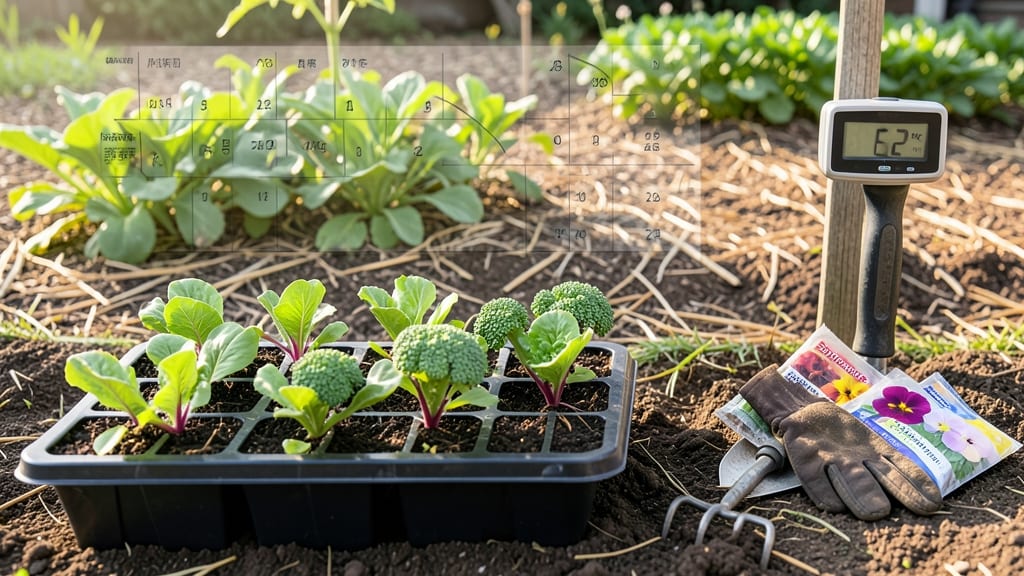
Planting a garden in your zone at the wrong time can mean the difference between a lush harvest and a wasted season—getting the timing right is the key to success.
Picture this: you’ve prepped your soil, ordered your seeds, and are ready to dive in—only to watch your tender seedlings wither under a late frost or bolt into flower before producing a single tomato.
It’s a scenario more common than you’d think, and the culprit is almost always planting too early or too late.
Your local last-frost date isn’t just a number—it’s the foundation of your planting schedule. Whether you’re in Zone 6a or a warmer region, knowing when to start seeds indoors, transplant seedlings, or sow directly into the ground can save you from costly mistakes.
I’ll show you how to use frost data, soil temperatures, and microclimate factors to pinpoint the perfect window for your garden’s most productive start.
From calculating safe planting dates to adjusting for unpredictable weather, you’ll discover how to align your garden’s rhythm with nature’s timeline—so you can enjoy a harvest that rivals the pros.
How to find your last-frost date for accurate planting timing
Getting your garden timing right starts with knowing your last-frost date. This critical piece of information tells you when it’s safe to plant warm-season crops like tomatoes and peppers without risking frost damage.
Without it, you might plant too early and lose seedlings—or too late and miss your harvest window entirely. Let’s break down how to find this date and use it effectively for your garden.
First, locate your USDA hardiness zone using the official USDA Plant Hardiness Zone Map. Each zone has average last-frost dates, but these are just starting points.
For example, Zone 7a typically has a last frost around April 15, but your exact date could vary by 1-2 weeks depending on elevation or local weather patterns.
Next, check more precise data from your local weather station or the National Weather Service’s frost calculator. These tools provide historical frost data for your exact location, accounting for microclimates like urban heat islands or slopes that can delay frost.
For instance, a south-facing slope might warm up 10-14 days earlier than the surrounding area, while a low-lying valley could experience frost 2 weeks later.
Here’s how to adjust for your microclimate: - Urban areas: Often 2-5°F warmer than rural zones, delaying frost. - Water bodies: Can create cooler microclimates, extending frost risk. - Slopes: South-facing slopes warm faster; north-facing slopes stay cooler.
| Factor | Impact on Last-Frost Date | Adjustment for Planting |
|---|---|---|
| Urban Heat Island | Delays frost by 5-14 days | Plant warm-season crops 1 week later than zone average. |
| South-Facing Slope | Advances frost-free date by 10-14 days | Plant cool-season crops 2 weeks earlier. |
| Low-Lying Valley | Delays frost-free date by 7-21 days | Use row covers or wait 3 weeks longer. |
| Large Water Body | Extends frost risk by 3-10 days | Plant heat-loving crops after May 1. |
| Mobile Apps (e.g., Frost Date Calculator) | Provides real-time adjustments based on local data | Sync planting with app alerts for frost warnings. |
For cool-season crops like lettuce or peas, you can plant 4-6 weeks before your last frost date. These hardy plants tolerate light frosts and even thrive in cooler weather.
In contrast, warm-season crops such as tomatoes and cucumbers need to wait until 2 weeks after your last frost date, when soil temperatures consistently stay above 50°F.
Use the National Weather Service’s frost calculator to input your ZIP code and get a 10-year average for your last frost. This tool also provides historical variability, so you can account for years when frost comes earlier or later than expected.
For example, in Zone 8b, the average last frost is March 15, but some years it’s as late as April 5.
Mobile apps like Gardenate or Farming by Moon offer customizable planting schedules based on your location and crop type. These apps factor in moon phases, soil temperature, and even local weather forecasts to refine your planting timeline.
Always cross-check with 3-5 years of local frost data to build a reliable schedule.
Pro tip: If you’re unsure, use biodegradable row covers to extend your planting window by 2-4 weeks. These lightweight fabrics protect seedlings from late frosts while allowing sunlight and water to pass through.
For extra insurance, plant a few test rows of fast-growing crops like radishes or lettuce 2 weeks before your target date to gauge soil warmth.
Remember, your first-frost date in fall is equally important for planning fall gardens. Most regions experience their first frost 8-12 weeks after the last spring frost. Use this window to plant cool-season crops like kale or spinach for a
Planting schedule by Zone: when to start seeds indoors vs. direct-sow outdoors
Getting your planting schedule right depends on your USDA hardiness zone, but even then, local microclimates can shift your timeline by weeks. For example, a Zone 5 gardener might start tomatoes indoors 8 weeks before last frost, while a Zone 9 gardener could direct-sow them in early spring.
Let’s break down the exact timing for indoor starts (like tomatoes and peppers) versus direct-sowing (like beans and carrots) by zone, plus how to adjust for unpredictable springs or late frosts.
Most gardeners focus on last-frost dates, but soil temperature matters just as much. For instance, cool-season crops like spinach thrive in 40°F soil, while warm-season crops like peppers need 60°F+ soil to germinate.
Use a soil thermometer to confirm readiness—especially in Zone 7, where spring temperatures can swing wildly between frost and 80°F in a single week.
Here’s your zone-by-zone guide, including how to extend seasons with row covers or cold frames to push your planting window earlier or later.
In Zone 7, where springs can be unpredictable, I recommend starting warm-season crops indoors by early February and keeping seedlings ready to transplant under row covers if frost threatens.
For Zone 9, where winters are mild, you can direct-sow cool-season crops like broccoli in fall and spring without worrying about frost.
Pro tip: Use biodegradable pots for seedlings to avoid transplant shock. And if your last frost date is unreliable (like in Zone 6), err on the side of starting seeds indoors 2 weeks earlier than the table suggests.
You can always move tender seedlings under grow lights if nighttime temps drop unexpectedly.
For direct-sown crops like beans and carrots, wait until soil temperatures hit 60°F+—even if your last frost date has passed. Cold soil slows germination, leading to patchy or slow-growing plants.
A soil thermometer is your best friend here, especially in Zone 5, where soil can stay chilly long after air temperatures warm up.
Extend your harvest season by 4-6 weeks in cooler zones with low tunnels or cold frames. For example, in Zone 4, I’ve successfully grown kale and spinach through winter by covering beds with clear plastic hoops. Just remove the covers on warm days to prevent overheating.