
Plants
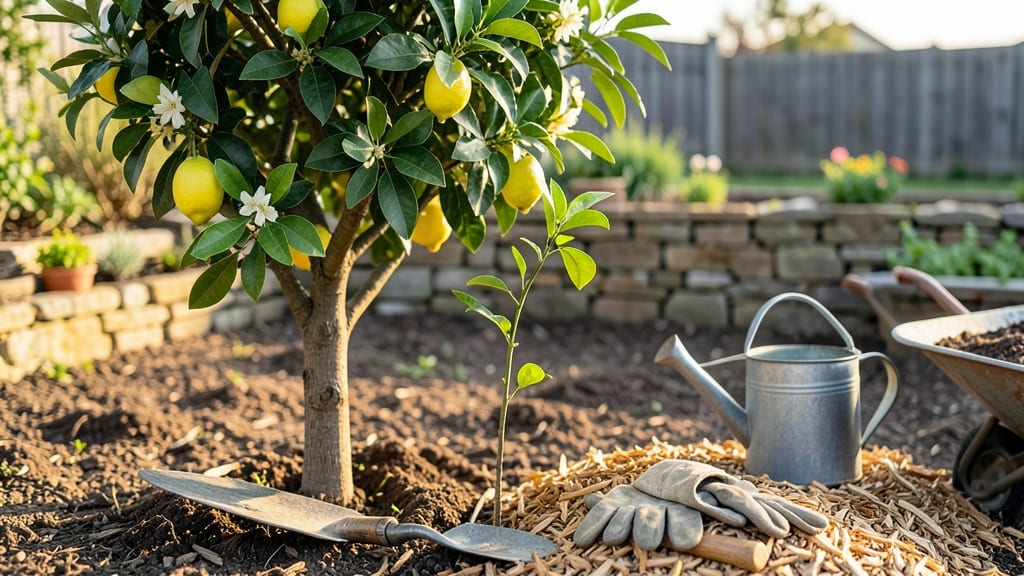
Planting a lemon tree in Louisiana after the last frost—typically mid-March to early April—sets the stage for a thriving citrus harvest year-round 🍋.
If you’ve ever dreamed of harvesting fresh, homegrown lemons in Louisiana, timing is everything—plant too early and frost will kill your tree, too late and summer heat could stress it before it establishes.
Louisiana’s USDA zones 8a-9b offer a unique advantage: longer growing seasons than most citrus regions, but microclimates—like New Orleans’ coastal warmth or Shreveport’s cooler inland winters—shift the ideal window.
Below, I break down the exact months to plant by region, frost protection hacks for young trees, and how to choose between in-ground and container planting for your Louisiana climate.
Louisiana’s lemon tree planting zones: when to plant by region
Louisiana’s diverse climate—from frost-prone North Louisiana to subtropical South Louisiana—means your lemon tree’s planting window depends entirely on where you live. In USDA zones 8a-9b, timing citrus correctly avoids frost damage while giving young trees time to establish before summer’s brutal heat.
Let’s break down the perfect planting months for each region, including microclimates like New Orleans’ urban heat islands and Shreveport’s cooler valleys.
For North Louisiana (zones 8a-8b), where frost lingers until mid-March, your best window is late March to early April—after the average last frost date of February 15. If you plant too early, a late freeze could kill tender citrus roots.
In Central Louisiana (zones 8b-9a), like Baton Rouge or Lafayette, you can push planting to February, but wait until March if winters are harsher than usual.
South Louisiana (zones 9a-9b), including New Orleans and Lake Charles, offers the longest growing season. Here, you can plant as early as January for container-grown trees or February for bare-root varieties. The Gulf Coast’s milder winters mean fewer frost risks, but even here, a late December freeze can still occur.
🌱
In North Louisiana, where temperatures can dip below 28°F, young lemon trees need extra protection. I recommend planting dwarf varieties like ‘Meyer’ lemons in containers, which you can move indoors or under a frost blanket during cold snaps.
For in-ground planting, choose a sheltered location near a south-facing wall to capture warmth.
Central Louisiana’s mild winters make it ideal for bare-root planting in February. The key here is soil preparation: amend clay-heavy soils with compost to improve drainage, as citrus hates soggy roots.
If you’re in Alexandria or Pineville, where nights can still chill, opt for container growing to give yourself flexibility.
For South Louisiana, where frost is rare but not unheard of, January planting gives trees a head start. However, avoid planting bare-root trees in late December—even a 30°F night can stress them. Instead, choose container-grown trees or plant in raised beds with insulating mulch like pine straw.
🌿
One common mistake I see is planting lemon trees in May or June, thinking summer’s heat is ideal. While citrus loves warmth, young trees need 6-8 weeks to establish roots before summer’s intensity.
Planting in late spring means your tree will struggle with heat stress and poor root development, setting it up for failure.
Pro tip: If you miss the ideal window, fall planting in October-November is a backup option—just ensure your tree is established before December’s potential frost. In New Orleans’ urban heat islands, fall planting can even be slightly earlier due to the city’s retained warmth.
🪴
Remember, Louisiana’s microclimates can shift planting windows by weeks. For example, Shreveport’s valleys may frost later than nearby hills, while Lake Charles’ coastal breezes can delay frost by 10-14 days. Always check local frost date averages and adjust your timeline accordingly.
Finally, whether you’re in frost-prone Shreveport or mild Lake Charles, prioritize well-draining soil and full sun exposure. These factors matter more than the exact planting date—your lemon tree’s long-term success depends on giving it the right conditions to thrive once it’s in the ground.
Critical microclimate factors that change planting timing
Louisiana’s climate isn’t one-size-fits-all—elevation shifts frost dates by weeks, while coastal areas stay frost-free months longer than inland zones. For example, New Orleans (USDA 9a) averages 240 frost-free days, while Shreveport (USDA 8a) sees only 180.
These microclimates force gardeners to adjust planting windows by 4-6 weeks depending on location.
Your lemon tree’s survival hinges on understanding these factors. A 50-foot elevation gain can drop temperatures 3-5°F colder overnight, turning a safe March planting into a frost gamble.
Meanwhile, urban heat islands in Baton Rouge can push soil temps 5°F warmer than rural areas, extending your growing season by 2-3 weeks.
How Microclimates Shift Lemon Tree Planting in Louisiana
- 📍 Elevation: Every 100 ft gain delays planting by 1 week (e.g., North Louisiana hills plant in late April vs. March for coastal areas).
- 💧 Water proximity: Trees near lakes/rivers (e.g., Atchafalaya Basin) can plant 2 weeks earlier due to moderated temps and higher humidity.
- 🏙️ Urban heat: Cities like New Orleans and Baton Rouge allow fall planting (October-November) thanks to asphalt/water heat retention.
- 🌬️ Gulf breezes: Coastal areas (e.g., Grand Isle) extend the season 30-45 days longer via warm ocean currents.
- 🌳 Windbreaks: Planting near dense foliage (e.g., live oak groves) can delay frost exposure by 10-14 days.
💡 Pro Tip: Use a minimum thermometer to track your microclimate’s lowest nightly temps for 2 weeks before planting.
Gulf Coast breezes create another critical variable—salt spray from storms can scorch young leaves, while warm onshore winds push planting windows 2-3 weeks later in South Louisiana. For example, Houma’s humid subtropical climate lets you plant through May, while Alexandria’s continental influence requires March planting.
Urban gardeners face unique challenges too. Pavement and buildings in Metairie or Lafayette create micro heat islands, but concrete reflects sunlight, increasing root-zone temps by 10°F+. This lets you plant container lemon trees 3 weeks earlier than rural areas—but requires extra watering to prevent root burn.
To maximize your lemon tree’s growing season, test your microclimate for 30 days before planting. Note the last frost date, soil temp at 4” depth, and wind patterns. For instance, Lake Charles gardeners can plant as late as April 15 thanks to Calcasieu Lake’s temperature buffering.
Adjust your planting date by 1 week per 500 ft elevation gain or 1 week later for inland areas. In North Louisiana, aim for April 15-May 1, while South Louisiana can plant through May 15.
Use these microclimate tweaks to extend your harvest season by 6-8 weeks—because in Louisiana, timing isn’t just about frost—it’s about survival. 🌱