
Planting
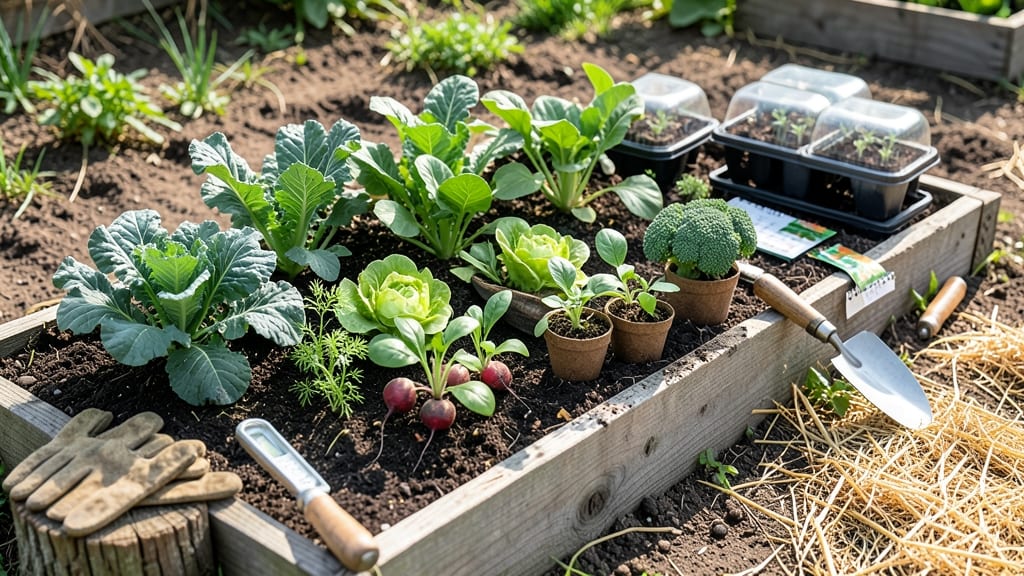
Planting a vegetable garden in New Brunswick at the right time means the difference between a thriving harvest and a frost-killed disappointment 🥕 — and the window is narrower than you think.
New Brunswick’s unpredictable climate can make or break your vegetable garden—planting at the wrong time risks frost damage or stunted growth, while perfect timing ensures a bountiful harvest. Whether you’re in coastal Saint John or inland Fredericton, getting the dates right is the key to success.
For most of the province, the last frost typically arrives around mid-April, but coastal areas may see frost-free conditions a week or two earlier.
Warm-season crops like tomatoes and peppers need soil temperatures of at least 60°F, which usually happens by mid-May, while cool-season greens can go in as early as March if you’re prepared for a little extra care.
In this guide, I’ll break down the exact planting windows for your region, from early spring starts to late-summer succession planting, so you can learn how to maximize your garden’s potential without guessing.
New Brunswick planting zones & frost-free dates by region
New Brunswick’s USDA Zone 5b climate creates unique challenges for gardeners, with coastal areas like Saint John experiencing milder winters than inland regions such as Fredericton. Understanding your last frost dates and microclimates is key to timing your vegetable garden correctly.
Coastal regions often have 1-2 weeks earlier frost-free dates than inland areas, while rural zones can vary even more dramatically.
For Fredericton, the average last frost date falls around May 15, while Moncton typically sees its last frost by May 1 due to its proximity to the Bay of Fundy. Saint John, being coastal, often warms up even earlier—around April 25.
These differences mean your planting schedule should shift based on where you live in the province.
Rural areas in New Brunswick can experience earlier frosts due to colder nights, so always adjust your planting timeline by 1-2 weeks later than urban averages. Microclimates near bodies of water or hills can also delay frost, giving you an extra window for warm-season crops like tomatoes or peppers.
Here’s a quick reference for last frost dates and frost-free periods across New Brunswick’s key regions:
| Region | Last Frost Date | Frost-Free Period | Planting Adjustment |
|---|---|---|---|
| Fredericton (Inland) | May 15 | 160 days | Wait until May 20 for warm crops |
| Moncton (Coastal) | May 1 | 170 days | Safe to plant warm crops by April 25 |
| Saint John (Coastal) | April 25 | 175 days | Early planting for peppers/tomatoes |
| Rural Areas (e.g., Miramichi) | May 22 | 155 days | Delay planting by 7-10 days |
If you’re growing cool-season crops like spinach or kale, you can start as early as March 15 in coastal areas, but wait until April 1 inland.
For warm-season crops, hold off until the soil reaches 60°F (15°C), which typically happens in mid-May for Fredericton and late April for Saint John.
Use row covers or cold frames to extend your growing season in colder regions. These tools can push your last frost protection back by 2-3 weeks, allowing you to plant earlier or harvest later. Just be sure to remove covers during the day to prevent overheating.
For coastal gardeners, take advantage of the longer frost-free season by planting fast-maturing varieties of vegetables like bush beans or radishes in early spring. Inland gardeners should focus on hardier varieties or use black plastic mulch to warm the soil faster.
Always monitor local weather forecasts and consider using a soil thermometer to confirm when it’s safe to plant. The New Brunswick Department of Agriculture also provides updated frost date data—check their resources for real-time adjustments.
Remember, even within a single region, your microclimate matters. A spot near a south-facing wall or pond may stay warmer longer, while low-lying areas can experience frost longer. Observe your garden’s unique conditions over a few years to fine-tune your planting schedule.
Best vegetable planting schedule for New Brunswick’s climate
New Brunswick’s cool maritime climate means your vegetable garden thrives with precise timing. Cool-season crops like spinach and kale love early spring, while warm-season staples like tomatoes and peppers need to wait until soil warms. Understanding these windows maximizes your harvest potential year-round.
Succession planting is key—sow seeds every 2-3 weeks for continuous yields. For example, radishes mature in 30 days, so you can plant them repeatedly until late summer. Meanwhile, slow-growing crops like broccoli benefit from an early start to avoid fall frost.
Plant cold-hardy crops like peas, spinach, and lettuce 4-6 weeks before last frost (typically mid-April). Use row covers for frost protection.
Wait until soil reaches 50°F+ (mid-May) to plant warm-season crops like tomatoes and peppers. Start seeds indoors in March for transplants.
Sow fast-maturing crops like beans, cucumbers, and zucchini every 2 weeks. Mulch to retain moisture and prevent bolting in heat.
Plant cool-season crops again for fall harvests. Choose quick-maturing varieties (e.g., bush beans) to beat frost.
For coastal areas like Saint John, plant 2 weeks earlier than inland zones—warmer microclimates delay frost. Inland regions (e.g., Fredericton) should wait until May 15 for warm-season crops to avoid late frosts.
Extend your season with row covers or cold frames to protect tender plants. For example, kale and carrots can tolerate light frosts, while tomatoes need shelter until soil warms in spring. Test soil temperature with a probe—60°F+ is ideal for warm-season plants.
Plan for succession planting by staggering seeds every 10-14 days. This ensures a steady supply of leafy greens and herbs throughout the season. For instance, sow basil every 3 weeks to enjoy fresh leaves all summer.
Use local frost dates as your guide: last frost averages April 15, and first frost typically hits October 15. Adjust based on recent weather patterns—check New Brunswick Agriculture’s frost maps for updates.