
Planting
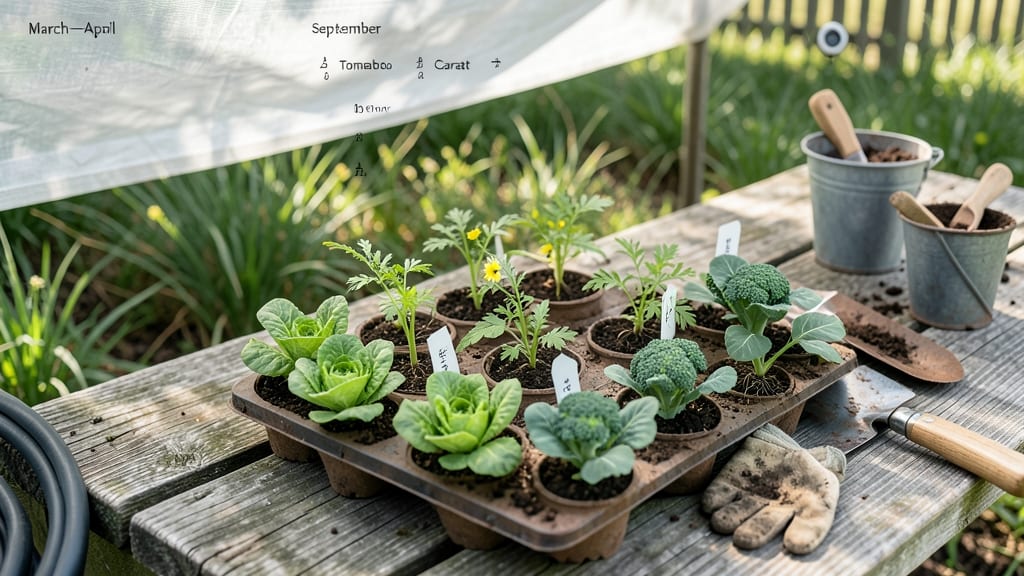
To plant a vegetable garden in Northern California, timing is everything—your USDA zone, elevation, and even your neighborhood’s microclimate decide whether your 🥬 thrives or fizzles.
Northern California’s diverse microclimates—from coastal fog to inland heat—can turn gardening into a guessing game if you don’t know the exact planting windows for your zone and elevation.
Miss the window by even a few weeks, and you’ll end up with bolting lettuce or stunted tomatoes. The key? Adjusting for coastal delays (like San Francisco’s fog) or inland heat (like Sacramento’s early springs).
Below, I break down the perfect planting deadlines by zone, elevation, and crop—plus how to tweak your schedule for urban heat islands or foggy mornings.
Northern California planting zones & elevation-based deadlines (coastal vs. valley vs. foothills)
Northern California’s USDA Zones 8-10 create a gardening puzzle with coastal fog, Central Valley heat, and foothill chill. Your elevation—whether you're at sea level in San Francisco or 2,000+ feet in the foothills—shifts frost dates by weeks.
For example, Sacramento (Zone 9a) can plant tomatoes 2-3 weeks earlier than San Francisco (Zone 9b) due to coastal delays.
Understanding these microclimates means the difference between lush summer harvests and frost-damaged seedlings. The last spring frost in Redding (Zone 8a) might be March 15, while Santa Rosa (Zone 9b) sees its final frost April 15.
Similarly, first fall frosts arrive October 15 in the foothills but linger until November 15 near the coast.
Here’s how to navigate these differences with precision:
For coastal gardeners, the fog delay means waiting until late April to plant tomatoes or peppers, while Central Valley growers can start warm-season crops as early as February.
In the foothills, elevation shifts frost dates dramatically—planting cold-hardy greens like kale in January is safe at 2,000 feet, but risky near the coast.
Elevation also affects soil warming. At sea level, soil may hit 60°F (ideal for tomatoes) by mid-April, but at 1,500 feet, you might need to wait until May. Use a soil thermometer to confirm readiness—cool soil stunts growth, even if air temps are warm.
Pro tip: Row covers extend coastal planting by 2-3 weeks by trapping heat. In the Central Valley, shade cloth protects seedlings from intense summer sun. For foothill gardens, mulch heavily to insulate roots from cool nights.
Watch for microclimate traps. Urban areas like Oakland can be 5°F warmer than nearby suburbs, while valley floors may experience inversion layers where cold air pools at night. Adjust your planting calendar based on your specific location, not just the region.
For fall planting, coastal areas can often extend harvests into December with row covers, while inland zones may see first frosts by October 15. Plan fast-maturing varieties like bush beans or radishes for late-season success.
Remember: Frost dates are averages. Track your own local frost history for 3 years to refine timing. Use UC Master Gardener resources or local weather stations for hyper-local data—because in Northern California, your yard’s microclimate might differ from your neighbor’s by weeks.
Best vegetables to plant by season in Northern California (microclimate-specific calendar)
Northern California’s diverse microclimates mean your San Francisco garden and Sacramento plot won’t follow the same schedule. Coastal areas like Santa Cruz stay cooler longer, while Central Valley zones can plant tomatoes 3 weeks earlier. Understanding these differences is key to avoiding frost damage or bolting in heat-sensitive crops.
For continuous harvests, I recommend staggered planting—sowing lettuce every 2 weeks from March to September ensures fresh greens year-round. Warm-season crops like peppers and eggplants thrive in inland heat but struggle in coastal fog, so adjust timing accordingly.
Here’s a side-by-side comparison of cool-season vs. warm-season crops, including microclimate adjustments for coastal, valley, and foothill regions:
For coastal gardens, prioritize heat-tolerant varieties like ‘Black Seeded Simpson’ lettuce or ‘Arkansas Traveler’ tomatoes, which handle mild summers better. Inland gardeners can push warm-season crops earlier by using row covers to protect from late frosts.
Pro tip: Soil temperature is more critical than air temperature. Use a soil thermometer—most warm-season crops need 60°F+ soil to germinate. In coastal areas, wait until May 15 for tomatoes to avoid blossom-end rot from cool nights.
By aligning your planting calendar with your local microclimate, you’ll enjoy longer harvests and healthier plants—no more wasted seeds or bolted greens! 🌱