
Plants
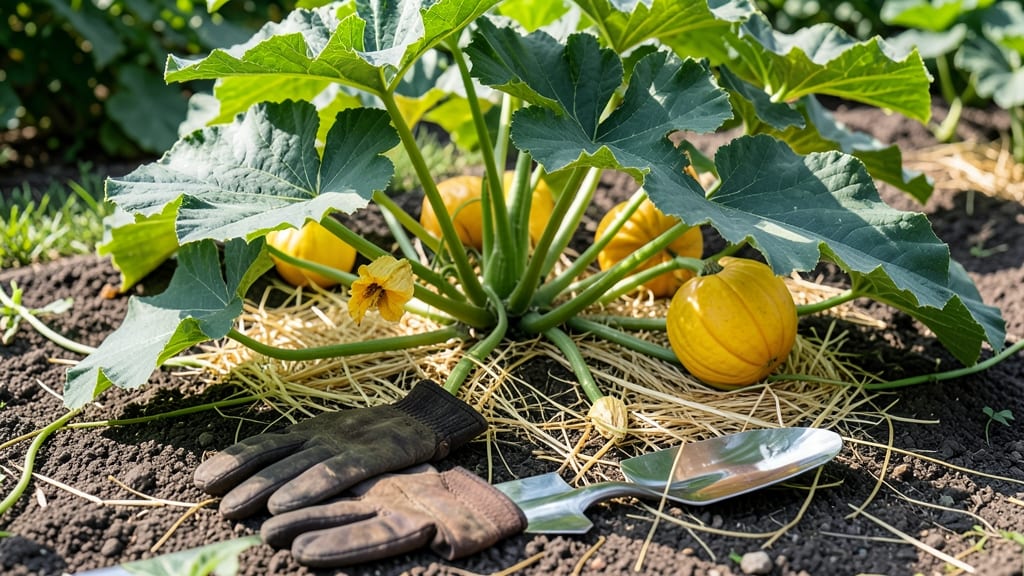
To plant acorn squash in Texas, time it for mid-March to early May or late July to early September—when soil temps hit 60°F and the brutal summer heat hasn’t yet arrived.
Texas gardeners know timing is everything—plant too early, and scorching summer heat will ruin your harvest. Too late, and you’ll miss the sweet, nutty flavor these 🎃 squash are famous for.
In 8a-10b zones, acorn squash thrives in spring’s mild weather or fall’s cooler days, avoiding the 100°F+ heat waves that can stress even the hardiest varieties.
Here’s the exact breakdown by region, plus heat-resistant varieties and pro tips to extend your growing season—so you can enjoy a harvest from October through January.
Best planting windows for acorn squash in Texas by region
Texas's diverse climate means your acorn squash planting timeline should depend on whether you're in North Texas, Central Texas, or South Texas. Each region has unique last frost dates and heat tolerance thresholds that determine your best window.
For example, North Texas gardeners face earlier freezes, while South Texas deals with relentless summer heat—both extremes demand precise timing.
Acorn squash thrives in warm soil temperatures (at least 60°F or 15°C) and needs 90-100 frost-free days to mature. Plant too early, and your squash will bolt in the heat; too late, and you'll miss the harvest window before frost.
The key is aligning your planting with soil warmth and local microclimates, whether you're in the cooler Hill Country or the humid Gulf Coast.
Soil temperature is your best guide—wait until the ground reaches 60°F (15°C) at least 1 inch deep. Use a soil thermometer to avoid guesswork. In Texas, this typically aligns with mid-March to early May for spring plantings and late July to early September for fall plantings, but exact dates shift by region.
For direct sowing, Texas gardeners often prefer fall plantings because summer heat can stress young seedlings. However, spring plantings reward patience with earlier harvests. Choose heat-tolerant varieties like 'Early Golden' or 'Sweet Dumpling' to improve success rates in any Texas region.
| Region | Last Frost Date | First Frost Date | Spring Planting Window | Fall Planting Window | Soil Temp Requirement |
|---|---|---|---|---|---|
| North Texas (Dallas/Fort Worth) | February 15 | November 15 | Mid-March to April 15 | Late July to August 15 | 60°F (15°C) |
| Central Texas (Austin/San Antonio) | March 1 | December 1 | Late March to early May | Early August to September 1 | 60°F (15°C) |
| South Texas (Houston/Beaumont) | January 31 | December 31 | Early March to April 30 | Late July to August 31 | 65°F (18°C) |
In North Texas, aim for mid-March to April 15 for spring plantings, giving your squash enough time to mature before the November 15 first frost. Use black plastic mulch to warm soil faster if your spring is slow.
For fall, plant late July to August 15—this avoids the brutal summer heat while still allowing a harvest before frost.
Central Texas gardeners have a slightly longer window due to milder winters. Plant late March to early May for spring, targeting a harvest before December 1. Fall plantings should start early August to September 1, as the region’s heat lingers longer. If you’re in the Hill Country, microclimates can shift dates by 1-2 weeks, so monitor local conditions.
South Texas’s humid, hot climate demands earlier starts. Plant early March to April 30 for spring, but be prepared for bolting if summer heat arrives too soon. Fall plantings (late July to August 31) work best, as the region’s longer frost-free season allows for extended harvests.
Always choose disease-resistant varieties to combat fungal risks in the heat and humidity.
Regardless of region, direct sowing is often better than transplants for acorn squash. Start seeds 1 inch deep, 2-3 feet apart, and thin to the strongest plants. Use row covers for early plantings to protect from unexpected cold snaps, especially in North Texas.
For fall plantings, prioritize shade cloth to shield young plants from intense afternoon sun.
Water deeply once a week (1-2 inches) during establishment, then taper to every 3-5 days once vines spread. Avoid wetting leaves to prevent powdery mildew, a common Texas issue. Mulch with straw or grass clippings to retain moisture and regulate soil temperature—critical in Texas’s extreme heat fluctuations.
Harvest your acorn squash when the rind turns deep acorn color and feels hard when pressed. In Texas,
Heat-resistant acorn squash varieties that thrive in Texas heat
Texas summers can turn even the hardiest plants into wilting messes, but acorn squash doesn’t have to be one of them. The right heat-resistant varieties can survive temperatures that would fry other squash plants.
I’ve grown these top 5 varieties in my own garden, and they’ve delivered reliable harvests even when thermometers hit 100°F+. The key is choosing hybrids with thick rinds and disease resistance—traits that make all the difference in our brutal climate.
For first-time Texas gardeners, I recommend starting with 'Sweet Dumpling'—it’s the most forgiving and produces consistent yields even with irregular watering. But if you’re looking for something with earlier maturity, 'Early Golden' is my go-to hybrid.
It matures in just 85 days, beating the worst heat before it peaks. Let’s dive into the full rankings so you can pick the perfect variety for your garden.
At the top of my list is 'Sweet Dumpling', a heirloom favorite that’s been a staple in my garden for years. Its thick, ribbed skin protects against sunscald, and the flesh stays sweet and dense even when grown in 95°F+ conditions.
What I love most? It’s powdery mildew resistant, a common issue in Texas humidity. For commercial growers or those with larger plots, this variety delivers 3-4 squash per plant with proper care.
The 'Early Golden' hybrid is my second recommendation for its speed and reliability. Unlike traditional acorn squash, this one matures in just 85 days, meaning you can beat the worst summer heat before it sets in.
The trade-off? It’s slightly less flavorful than 'Sweet Dumpling', but the earlier harvest makes up for it. I’ve seen it thrive in North Texas gardens where summer heat arrives early—perfect if you’re in Zone 8a or higher.
For those who prefer bush varieties (less sprawling vines), 'Table Queen' is a compact powerhouse. It’s a determinate grower, meaning it stays contained and produces fruit all at once—ideal for small spaces or container gardening.
While it’s not as heat-tolerant as the top two, it still handles 90°F days better than most acorn squash. The flavor is nutty and slightly sweet, making it a great choice for roasting or stuffing.
If you’re dealing with sandy soil (common in West Texas), 'Autumn Gold' is my fourth pick. This variety has deep roots that reach moisture in dry conditions, and its golden hue indicates ripeness even when hidden under foliage.
It’s also less prone to blossom end rot, a frequent issue in alkaline Texas soils. The downside? It takes 95 days to maturity, so timing your fall planting is critical.
Rounding out the list is 'Green Tint', a unique heirloom with green-striped skin that adds visual interest to your garden. While it’s not as heat-tolerant as the hybrids, it’s disease-resistant and produces smaller but sweeter squash.
I grow this one in partial shade during peak summer to extend its season. For urban gardeners with limited space, this variety is a great conversation starter—and it still delivers in 85-90°F conditions.