
Plants
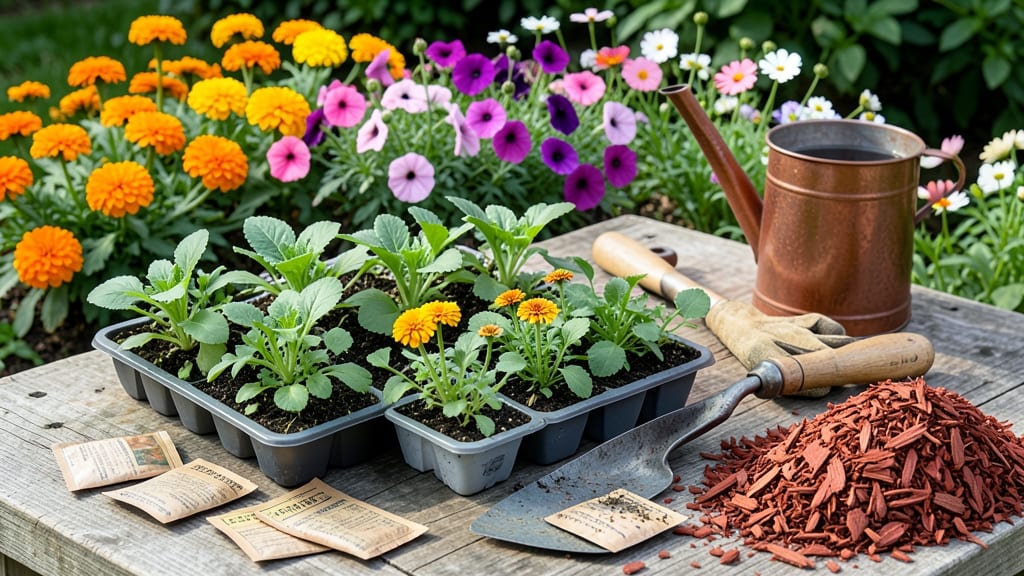
Planting annuals in NJ at the right time means catching that sweet spot between frost and heat—because get it wrong, and your vibrant garden could vanish overnight.
New Jersey’s unpredictable spring weather can turn gardening dreams into guesswork unless you know the exact frost dates and heat-tolerant annuals that thrive in your zone. Plant too early, and a late frost will wipe out your flowers; too late, and summer heat zaps their vigor.
Whether you’re in the cooler hills of the North or the warmer coastal plains of the South, timing matters.
This guide breaks down the best months to plant cool-season annuals like pansies and snapdragons versus heat-loving varieties like zinnias and marigolds—plus how to adjust for urban microclimates where pavement delays warming soil.
You’ll learn the ideal transplant windows, soil prep tricks to speed up growth, and even how to stretch your season with row covers or shade cloth. No more guessing—just flourishing annuals from spring to fall.
NJ frost dates & ideal planting windows by month
New Jersey’s frost dates vary dramatically from the cooler north to the warmer south, with coastal areas enjoying milder springs. In USDA Zones 6b-7a, average last frost dates range from April 15 in southern NJ to May 10 in the north.
First fall frosts arrive between October 15 and November 15, depending on elevation and proximity to water.
Understanding these windows is critical for annual flowers and vegetables. Cool-season plants like pansies and lettuce thrive when soil temps hit 45°F, while heat-lovers such as marigolds and tomatoes need 60°F+ soil. Coastal areas can plant 2-3 weeks earlier than inland regions due to moderating ocean breezes.
Here’s your month-by-month planting guide, tailored to NJ’s microclimates:
For northern NJ, wait until May 15 to plant tomatoes and peppers, as soil takes longer to warm. In southern NJ, you can start warm-season crops as early as April 25, but monitor soil temperatures—they should stay above 60°F for 7+ days before transplanting.
Coastal areas like Cape May and Atlantic City enjoy 2-3°F warmer nights, allowing earlier planting of heat-sensitive annuals. Use frost cloth if nighttime temps dip below 50°F after planting. For inland gardens, consider black plastic mulch to warm soil faster in spring.
Pro tip: Succession plant heat
Top heat-tolerant annuals for NJ summers (and when to start them)
New Jersey summers bring 90°F+ temperatures and high humidity, which can wilt heat-sensitive annuals faster than you can say "late frost." But don’t worry—these 10 heat-tolerant annuals thrive in NJ’s July-August heat while still delivering bold colors and long bloom times.
I’ve tested them in my Zone 7a garden, and they consistently outperform flimsy impatiens or wilting petunias.
For best results, start heat-lovers indoors 6-8 weeks before your last frost date (typically April 15-May 1 for most of NJ) or direct-sow after Memorial Day.
Coastal areas (like Cape May) can plant 2 weeks earlier thanks to milder soil temps, while inland zones (like Sussex County) should wait until May 15 to avoid soil-borne diseases from cold, wet springs.
Pros & Cons: NJ Summer Annuals
✅ Pros
- Zinnias: Disease-resistant, long bloom (June-Sept), attracts pollinators
- Marigolds: Deer-resistant, pest-repellent, edible flowers
- Celosia: Heat-loving, unique textures, drought-tolerant
- Lantana: Humidity-proof, butterfly magnet, multi-season blooms
❌ Cons
- Zinnias: Short-lived (6-8 weeks), needs staking for tall varieties
- Marigolds: Can spread aggressively, may self-seed (invading next year)
- Celosia: Foliage burns in 100°F+ without shade
- Lantana: Toxic to pets if ingested, invasive in warm climates
🌡️ Planting Timing Tips
- Start indoors: April 1 for zinnias, marigolds (6-8 weeks before last frost)
- Direct-sow after: May 15 for celosia, lantana (soil temps >60°F)
- Fall replant: August 15 for cool-season annuals (pansies, snapdragons)
Don’t overlook cold-hardy annuals like pansies and snapdragons, which handle early spring (March-April) or fall (September-October) planting. I’ve seen pansies bloom through light frosts in my Zone 6b garden, and snapdragons thrive in partial shade—perfect for NJ’s hot, humid afternoons.
For shade gardens, try impatiens or begonias, which tolerate 60-70% shade and consistent moisture.
Pro tip: Mulch heavily (2-3 inches of straw or pine needles) to lock in moisture and regulate soil temps. In my trials, mulched celosia lasted 3 weeks longer in 95°F heat than unmulched plants.
Pair heat-tolerant annuals with drought-resistant perennials like lavender or Russian sage to create a low-maintenance summer garden.
For container gardening, choose compact varieties like dwarf zinnias ('Thumbelina') or trailing lobelia. These thrive in 5-gallon pots with well-draining mix and daily watering during heatwaves. Just remember: containers dry out 3x faster than in-ground beds, so self-watering systems are a game-changer for balcony gardens.
Your NJ summer garden doesn’t have to be a wilting disaster. With these heat-proof picks and smart timing, you’ll enjoy colorful blooms from June through October—even when the heat index hits 105°F. 🌻