
Plants
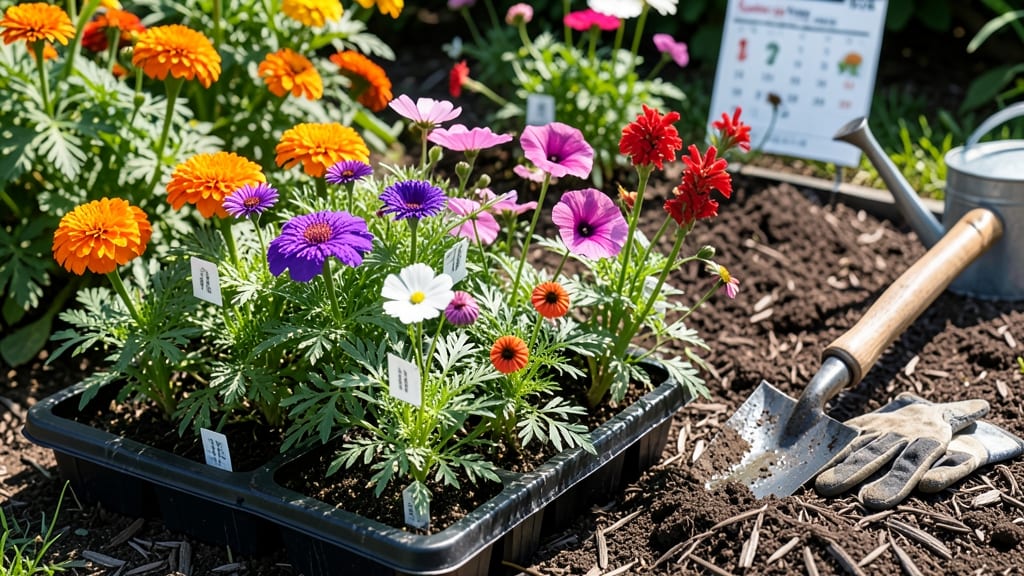
Planting annuals in Zone 7 at the right time means the difference between vibrant blooms and frost-nipped failures—and it all starts with knowing your last frost date.
Zone 7 gardeners know timing is everything—plant too early and risk frost damage, too late and miss peak blooms. But with the right strategy, you can extend your growing season and enjoy nonstop color and harvests from spring to fall.
Spring is the classic window for most annuals, but fall planting can stretch your season even longer. The key? Soil temperature, frost forecasts, and choosing varieties that thrive in your microclimate—whether you're in the Piedmont or the Appalachian foothills.
Below, I break down the exact planting windows for cool-season and heat-loving annuals, plus how to adjust for local conditions so you never waste a seed again.
Zone 7 spring planting schedule for annuals: frost dates & heat-tolerant varieties
Spring in Zone 7 is all about balancing last frost dates with soil warmth. Most regions experience their average last frost between March 15 and April 15, but microclimates like Piedmont valleys can warm 2-3 weeks earlier than mountain foothills.
Always check your local frost date calculator—it’s your planting timeline’s best friend!
Cool-season annuals like lettuce and pansies can handle light frosts, but warm-season crops such as tomatoes and marigolds need soil temps above 60°F. Test your soil with a thermometer—if it’s still chilly, wait a week or two. Patience now means bigger blooms later!
Here’s your Zone 7 spring planting schedule, broken down by plant type and microclimate:
| Plant Type | Ideal Planting Window | Heat-Tolerant Varieties | Microclimate Notes |
|---|---|---|---|
| Cool-Season Annuals | Feb 15 - Mar 31 (Piedmont) Mar 15 - Apr 15 (Foothills) |
Lettuce ('Black Seeded Simpson'), Kale ('Winterbor'), Pansies ('Majestic Giant') | Valleys warm faster; foothills may need row covers |
| Warm-Season Annuals | Apr 15 - May 15 (Soil ≥60°F) | Marigolds ('French Vanilla'), Zinnias ('Benary’s Giant'), Okra ('Clemson Spineless') | Use black plastic mulch to warm soil 2-3°F faster |
| Heat-Tolerant Vegetables | May 1 - Jun 1 (After last frost) | Peppers ('Carolina Wonder'), Eggplant ('Black Beauty'), Sweet Potatoes ('Beauregard') | South-facing beds heat up fastest; avoid low spots |
| Shade-Tolerant Annuals | Mar 15 - Apr 30 (Partial shade) | Impatiens ('Super Elfin'), Fuchsias ('Giant Marble'), Coleus ('Wong’s Wonder') | East-facing beds or dappled shade from trees |
For Piedmont gardeners, aim to plant cool-season crops by March 1—warmer valleys can even start spinach in February.
In the Appalachian foothills, wait until April 1 to avoid late frosts that can wipe out seedlings. Pro tip: Use row covers to extend your window by 2-3 weeks!
Heat-tolerant varieties are your secret weapon for Zone 7 summers. Marigolds and zinnias thrive in 90°F+ temps and drought conditions, while okra and sweet potatoes actually produce better with consistent heat.
If your garden gets afternoon shade, opt for impatiens or coleus—they’ll reward you with bold colors all season long.
Soil prep is just as critical as timing.
Amend your beds with compost or aged manure to improve drainage and water retention. Zone 7’s clay soils can bake hard in summer, so add organic matter to keep roots happy. Mulch with straw or pine needles to retain moisture and suppress weeds—your future self will thank you!
Watch for false springs, where warm weather tricks you into planting early, only for a late frost to strike. Sign up for local frost alerts from your Cooperative Extension Service.
If you’re unsure, opt for transplants over seeds—they’re hardier and faster-growing, giving you a head start on the season.
Don’t forget to rotate crops annually to prevent soil-borne diseases and pest buildup. Keep a simple garden journal to track what worked (and what didn’t) each year. Success builds on success, and your Zone 7 garden will thank you for the attention to detail!
With this schedule, you’ll enjoy continuous blooms from spring pansies to fall mums, all while avoiding the common pitfalls
Fall planting annuals in Zone 7: extending the season without frost risk
Fall is my favorite time to extend the gardening season in Zone 7. While many gardeners focus on spring planting, the cooler temperatures and shorter days create perfect conditions for hardy annuals that thrive in autumn.
The key is planting at the right time—early enough for roots to establish before winter, but late enough to avoid early frost damage.
First, determine your first frost date using local resources like the USDA Plant Hardiness Zone Map or your county extension office. In most of Zone 7, the first frost typically arrives between mid-October and early November, but this can vary by microclimate.
For example, higher elevations or urban heat islands may experience frost earlier. Aim to plant 6-8 weeks before your first frost date to give annuals time to mature.
- 1
- 2
- 3
- 4
When selecting fall annuals, prioritize varieties that tolerate cooler temperatures. Pansies and violas are my go-tos for color—they bloom beautifully in 50-60°F soil and even survive light frosts.
For edibles, leafy greens like kale and spinach thrive in fall’s crisp air, while radishes mature quickly for a fast harvest. Calendula and snapdragons add late-season pollinator support and vibrant hues to your garden.
Soil preparation is critical for fall success. Before planting, amend your soil with organic matter like compost to improve drainage and fertility. Zone 7 soils can get compacted in autumn, so work in 1-2 inches of compost and loosen the top 6 inches of soil to encourage root growth.
A soil test can help you adjust pH levels—most annuals prefer a slightly acidic to neutral pH (6.0-7.0).
After planting, mulch heavily with straw or shredded leaves to protect roots from temperature fluctuations. In late October, consider adding a lightweight row cover over sensitive plants to shield them from early frost.
Water deeply but less frequently in fall—aim for 1 inch of water per week, allowing the soil to dry slightly between waterings to prevent fungal diseases like powdery mildew.
With the right timing and care, your fall-planted annuals will reward you with colorful blooms and fresh harvests well into winter. My pansies often bloom until Christmas, and the kale stays tender through December.
The secret? Planting early enough for roots to establish, choosing cold-hardy varieties, and protecting them from frost with mulch and row covers. Happy gardening! 🌷