
Plants
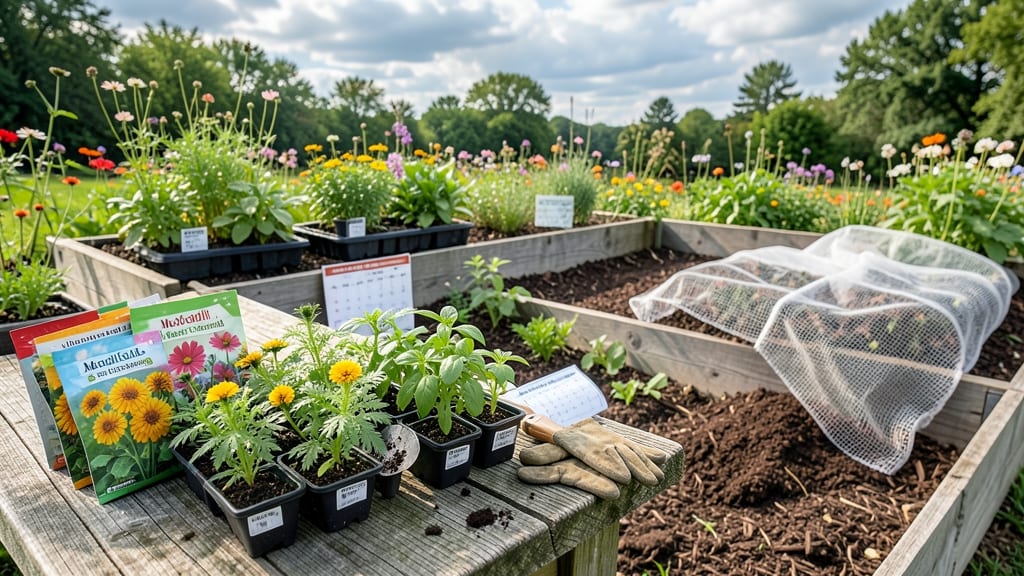
Planting annuals in Pennsylvania after the last frost date—typically late April to early May—sets the stage for a garden that thrives all season long 🌸.
But here’s the catch: Pennsylvania’s diverse microclimates—from the humid South to the cooler North—can make timing tricky. Get it wrong, and frost will turn your vibrant blooms into sad, wilted memories. Nail it, though, and you’ll enjoy a garden bursting with color from spring through fall.
Whether you’re in USDA zones 5b to 7a, the key is knowing your region’s last-frost dates and adjusting for heat-tolerant vs. frost-sensitive varieties. Below, I break down the best planting windows for cool- and warm-season annuals, plus how to extend your growing season with simple tricks.
You’ll also discover how elevation and urban heat islands shift deadlines—so whether you’re in Pittsburgh, Philadelphia, or the Poconos, you’ll plant with confidence. Ready to turn your garden into a blooming masterpiece?
Pennsylvania planting zones: when to start annuals by region
Pennsylvania spans USDA zones 5b through 7a, meaning your last frost dates can vary by 2+ weeks from Scranton to Philadelphia. For heat-sensitive annuals like impatiens, timing is everything—plant too early, and frost will kill them; too late, and you’ll miss peak blooms.
Let’s break down the exact deadlines for each major region so you can plant with confidence.
Most of Pennsylvania’s growing season runs from late April to mid-October, but your local microclimate (urban heat islands, mountain valleys) can shift these dates by 10-14 days.
In Zone 5b (Erie, Scranton), frost lingers until May 10–15, while Zone 7a (Philadelphia, Pittsburgh suburbs) sees its last frost by April 15–20. This means marigolds in Philly can bloom 3 weeks earlier than in Scranton.
Here’s the critical comparison of planting windows for cool-season (pansies, lettuce) vs. warm-season (tomatoes, zinnias) annuals across Pennsylvania’s key regions. Use this as your planting calendar to avoid frost damage and maximize blooms.
| Region & Zone | Last Frost Date | Cool-Season Annuals (Plant By) | Warm-Season Annuals (Plant After) | Heat-Tolerant Picks | Frost-Sensitive Picks |
|---|---|---|---|---|---|
| Philadelphia (Zone 7a) | April 15–20 | March 15–April 1 (cold frames) | April 20–May 5 | Marigolds, Zinnias, Lantana | Impatiens, Begonias, Coleus |
| Pittsburgh (Zone 6b) | April 25–May 5 | March 20–April 10 | May 5–15 | Sunflowers, Portulaca, Verbena | Petunias, Geraniums, Dusty Miller |
| Scranton (Zone 5b) | May 10–15 | April 1–May 1 (under cover) | May 15–June 1 | Cosmos, Snapdragons, Black-Eyed Susans | Caladiums, Hibiscus, Sweet Potatoes |
| State College (Zone 6a) | April 30–May 10 | March 25–April 15 | May 10–20 | Alyssum, Nasturtiums, Coreopsis | Basil, Okra, Sweet Alyssum |
If you’re in Zone 7a (like Philadelphia), you can start warm-season annuals as early as April 20, but hold off until May 15 in Zone 5b (Scranton). For cool-season annuals, like pansies or lettuce, begin seeds indoors 4–6 weeks before your last frost date.
In Scranton, that’s early April; in Philly, it’s mid-March.
For heat-loving annuals (think marigolds or zinnias), wait until soil temps hit 60°F (15°C)—use a soil thermometer to check. In urban areas (like Pittsburgh), sidewalks and buildings create microclimates that warm up 2–3 weeks earlier than rural zones.
Take advantage by planting tender annuals 10–14 days ahead of rural schedules.
Pro tip: Use row covers or cold frames to extend your planting window by 2–4 weeks in cooler zones. This lets you grow frost-sensitive annuals like basil or coleus without risking
Microclimate adjustments: how elevation and urban heat islands shift planting deadlines
Pennsylvania’s last frost dates can vary by hundreds of miles—even within the same county. Mountain valleys like Lancaster County often experience earlier springs than cities like Erie, where cold air pools.
Meanwhile, urban heat islands in Philadelphia can push soil temperatures 5-10°F warmer than rural areas, letting you plant heat-loving annuals weeks ahead of schedule.
These microclimates aren’t just academic—they directly impact when you can safely tuck marigolds or cosmos into the ground. A 300-foot elevation gain might delay frost by 1-2 weeks, while a paved sidewalk can create a microclimate hotspot where zinnias thrive 2 weeks earlier than in a shaded backyard.
⚠️ callout warning
City gardens (like Pittsburgh’s North Side) can be 5-10°F warmer than suburbs. Use this to your advantage:
- Plant heat-tolerant annuals (e.g., lantana, portulaca) 2-3 weeks earlier than rural guidelines.
- Monitor local weather stations (not USDA zone averages) for soil temperature—aim for 50°F+ before planting.
- Watch for false springs: A warm March day doesn’t mean frost is gone—check 10-day forecasts.
To navigate these shifts, I rely on three key tools: local weather apps (like Weather Underground), community garden forums, and USDA Plant Hardiness Zone maps.
For example, in Philadelphia’s heat islands, I’ve successfully planted geraniums by April 15, while my friends in State College wait until May 1 to avoid frost damage.
For elevation adjustments, add 1 week per 500 feet to rural frost dates. So if your neighbor in a valley plants pansies on April 1, you might need to wait until April 8 at 1,000 feet in the Alleghenies.
Conversely, urban sidewalks can let you plant tomatoes 10 days earlier than in a shaded backyard.
Pro tip: Use row covers or cold frames to extend your urban planting window by 2-3 weeks for cool-season annuals like lettuce or kale.
In my Philadelphia container garden, I’ve grown basil from seed in March under a clear plastic dome, beating the May 1 rural deadline by 6 weeks.
Remember, microclimates aren’t static. A new building or tree removal can shift your garden’s heat patterns. Check soil temperature with a thermometer—if it’s below 50°F, wait.
And always have row covers on hand for late-season surprises. With these adjustments, you’ll turn Pennsylvania’s frost quirks into your garden’s superpower.