
Plants
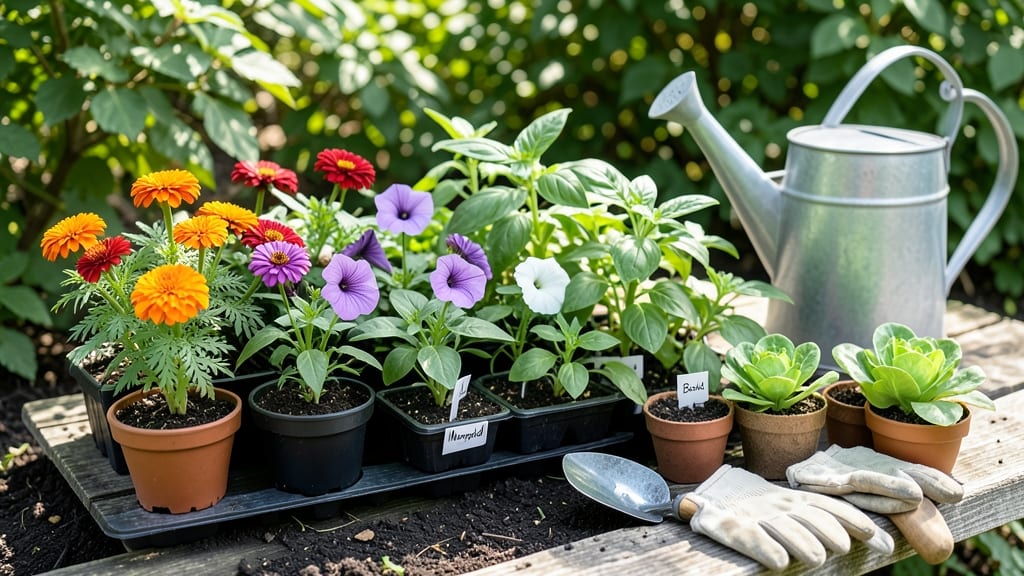
Planting annuals in Virginia depends on your region’s last frost date — coastal areas like Norfolk can start weeks earlier than Piedmont or mountain zones.
Virginia’s diverse climate—from the coastal plains to the Appalachian foothills—means your annuals’ planting window can vary by weeks, not just days. Get the timing wrong, and your marigolds or petunias may never bloom. Here’s how to align your planting schedule with Virginia’s microclimates for foolproof results.
Cool-season annuals like pansies thrive when soil temperatures hit 45°F, while warm-season favorites such as zinnias need to wait until after May 15 to avoid frost. I’ll break down the exact frost-free windows for your area, plus pro tips to extend your growing season without risking damage.
Ready to transform your garden? You’ll learn how to time your plantings for maximum blooms, whether you’re in the Tidewater region or the Shenandoah Valley, and which annuals to prioritize for each microclimate.
Virginia’s planting zones & microclimates: when to start annuals by region
Virginia’s USDA Hardiness Zones 6b-8a create dramatic differences in planting windows—sometimes by 3-4 weeks—between coastal Norfolk and mountain Roanoke. These microclimates aren’t just about frost dates; they dictate when your soil warms enough for warm-season annuals like tomatoes or marigolds to thrive.
Let’s break down the critical differences so you can time your plantings perfectly.
In Zone 7a (coastal Virginia), like Norfolk, the last average frost typically lands around March 15-20, giving you a head start. But just 50 miles inland in Richmond’s Zone 7b, that date shifts to April 1-5.
Meanwhile, Roanoke’s Zone 6b often waits until April 15-20—a 6-week difference that can mean the difference between lush petunias and wilted seedlings.
Here’s the non-negotiable rule: Plant cool-season annuals (like pansies or lettuce) as soon as your soil is workable—usually 4-6 weeks before last frost. For warm-season picks (e.g., zinnias, basil), wait until soil reaches 60°F+ and nighttime temps stay above 50°F—typically mid-May in most regions.
🌱 Virginia Annual Planting Guide by Region
| Region | USDA Zone | Last Frost (Avg.) | Cool-Season Start | Warm-Season Start |
|---|---|---|---|---|
| Coastal (Norfolk) | 7a | March 15-20 | Feb 20-March 5 | April 20-May 5 |
| Piedmont (Richmond) | 7b | April 1-5 | March 15-April 1 | May 1-15 |
| Mountains (Roanoke) | 6b | April 15-20 | March 20-April 5 | May 15-30 |
⚠️ Note: Microclimates (e.g., urban heat islands, south-facing slopes) can shift dates by 1-2 weeks. Always check local frost data from Virginia Cooperative Extension.
If you’re in Zone 7a (coastal), you can start direct-sowing cool-season annuals as early as mid-February under row covers. But in Zone 6b (mountains), wait until mid-April to avoid frost damage.
For warm-season plants, coastal gardeners can plant tomatoes by mid-April, while mountain gardeners should delay until mid-May.
Pro tip: Use soil thermometers to confirm 60°F+ soil temps before planting heat-lovers like peppers or okra. In Richmond’s Piedmont, this often means waiting until late May, while Norfolk’s coastal warmth may allow early May plantings. Always prioritize soil temperature over calendar dates.
Don’t overlook microclimates within your yard. A south-facing wall can create a Zone 8 microclimate in otherwise Zone 7 soil, letting you plant tender annuals like geraniums 2-3 weeks earlier. Conversely, low-lying areas may frost later, delaying your warm-season starts by 10 days or more.
For container gardening, adjust timelines by 1-2 weeks earlier—pots warm up faster than soil. But if you’re using raised beds, they may need extra time to heat up, especially in mountain regions.
Always monitor nighttime temperatures: below 50°F can stunt warm-season growth, even if days
Cool-season vs. warm-season annuals: Virginia’s exact planting timeline
Virginia’s cool-season annuals like pansies and snapdragons thrive when temperatures dip below 75°F, while warm-season favorites such as zinnias and sunflowers need soil above 60°F to germinate. The key? Planting at the right time based on your microclimate—whether you're in Zone 6b (Piedmont) or Zone 7a (coastal).
In northern Virginia, cool-season plants go in early March to April, while southern Virginia gardeners can start as early as February.
Warm-season annuals wait until after May 15, when the risk of frost has passed. Raised beds and containers warm up faster, so adjust your schedule 1-2 weeks earlier for these spots.
For high-altitude gardens (like Roanoke), delay warm-season planting until June 1 to avoid late frosts. Start cool-season seeds indoors in February for an earlier spring display. Direct-sow heat-lovers like okra in late May, as they handle Virginia’s humid summers better once established.
Use row covers to extend the cool-season window by 3-4 weeks in spring or fall. For containers, choose fast-growing annuals like basil or nasturtiums, which tolerate transplant shock better. Always check local frost dates—your neighbor’s garden might have a 2-week difference in timing!
Pro tip: Succession plant warm-season annuals every 2 weeks from June through July for continuous blooms. Zinnias and cosmos are perfect for this strategy—they thrive in Virginia’s heat and attract pollinators all summer long.
Remember, soil temperature matters more than air temperature. Use a soil thermometer to confirm 60°F+ before planting warm-season seeds. Coastal areas (like Virginia Beach) can plant 1-2 weeks earlier than inland zones due to milder winters.