
Trees
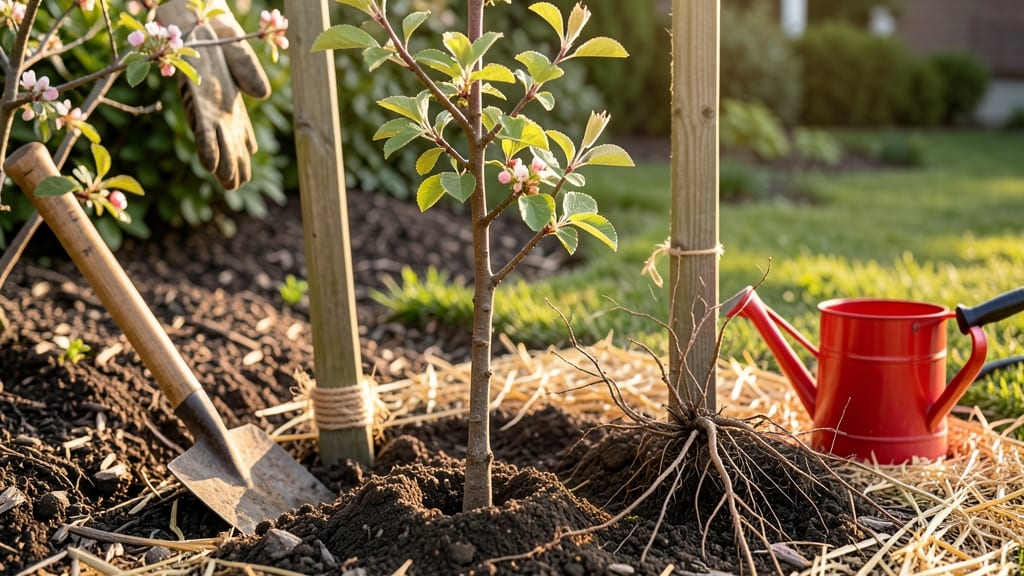
Planting apple trees in Alabama at the right time means the difference between a thriving orchard and a struggling sapling — and the window is narrower than you might think.
Alabama’s warm climate and long growing season make it an ideal place for apple orchards—but timing your planting wrong can mean stunted growth or even failure. Whether you’re in the cooler Appalachian foothills or the heat of the Black Belt, getting the months right is the key to survival.
Bare-root trees need to go in the ground 2-3 months before your last frost, usually between late February and early March. Container-grown varieties offer more flexibility, but even they need to avoid Alabama’s brutal summer heat or early fall chills.
Below, I break down the exact months for your region, soil prep secrets, and the most heat-tolerant varieties like 'Anna' and 'Dorsett Golden' that actually thrive here.
Best planting months for apple trees in Alabama by region
Alabama’s diverse climate zones create unique challenges and opportunities for apple tree planting. In the North (like Huntsville), cooler temperatures allow earlier planting, while the South (like Mobile) demands later starts to avoid summer heat stress.
Central Alabama falls somewhere in between, offering a 3-week window that balances risk and reward. The key? Matching your planting timing to soil temperatures and frost dates specific to your region.
Bare-root apple trees are most commonly planted in late winter, but container-grown trees offer more flexibility. Alabama’s USDA zones 7a-8b mean frost can arrive as early as mid-November in the North or as late as January in the South.
Understanding these variations ensures your trees establish strong roots before summer’s heat arrives. Let’s break down the best months for each region, including soil prep tips and frost risk factors.
🌱
In North Alabama, where temperatures dip lower and frost lingers, planting bare-root trees in late February gives roots time to establish before the growing season kicks in. The soil should be workable but not frozen—aim for 45-55°F to encourage root growth without stress.
If you’re in Huntsville or Decatur, mark your calendar for March 15, the average last frost date, and plant at least 4-6 weeks before to avoid early blooms catching a late freeze.
Central Alabama’s warmer microclimates (like Birmingham or Montgomery) shift the ideal window to mid-March through April. Here, soil temperatures rise faster, so wait until the ground reaches 50-60°F before planting.
Container-grown trees are your best bet—they adapt better to temperature swings and can be planted up to May, though summer heat may stress them. Always choose heat-tolerant varieties like 'Anna' or 'Dorsett Golden' for Central Alabama’s humidity.
For South Alabama, where Mobile and Dothan experience milder winters, late March to April is critical. The soil should be 55-65°F to prevent root shock, and container-grown trees are almost mandatory due to the region’s higher humidity and soil moisture challenges.
Avoid planting after April 15, as summer’s intense heat can overwhelm young trees. If you’re in Zone 8b, consider dwarf varieties like 'Ein Shemer' to reduce stress.
Container-grown apple trees offer the most flexibility across Alabama, allowing planting year-round as long as soil temperatures stay above 50°F.
This is ideal for urban gardeners or those with limited space, but remember: container trees need larger pots (at least 15-gallon) and consistent watering to match the root growth of in-ground trees. Mulch heavily around the base to retain moisture and protect roots from temperature swings.
Regardless of your region, always test your soil’s pH (aim for 6.0-6.5) and amend with compost or aged manure before planting. Alabama’s clay-heavy soils in many areas can compact easily, so mix in organic matter to improve drainage.
After planting, water deeply to settle the soil and reduce air pockets around the roots—this is especially critical in drought-prone Central Alabama.
One common mistake? Planting too early in South Alabama or too late in North Alabama. Early planting risks frost damage to new growth, while late planting leaves trees vulnerable to summer heat stress.
Use a soil thermometer to monitor temperatures and adjust your timeline accordingly. For extra protection, consider row covers or windbreaks in exposed areas.
🌿
How Alabama’s microclimates affect apple tree planting success
Alabama’s diverse microclimates create unique challenges and opportunities for apple tree growers. From the cooler Appalachian foothills in the north to the humid coastal plains of the south, each region demands different planting strategies.
Understanding these variations ensures your trees establish strong roots and thrive during their critical first year.
Urban areas like Birmingham or Montgomery face heat stress and compacted soils, while rural spots in USDA Zone 7a (like the Tennessee Valley) enjoy longer frost-free periods.
Even a 5-mile elevation change can shift your ideal planting window by weeks. These microclimates directly impact root development, disease resistance, and fruit quality.
Planting Too Early or Late in Alabama’s Microclimates
North Alabama (Zones 7a-7b): Planting before March 1st risks frost damage to emerging roots. Wait until soil temps reach 45°F+.
Central Alabama (Zone 8a): Late planting after April 15th exposes trees to summer heat stress. Prioritize container-grown trees for flexibility.
South Alabama (Zone 8b): Avoid planting between June-August due to humidity-fueled fungal risks. Opt for fall planting (Sept-Oct) instead.
🌱 Pro Tip: Use a soil thermometer—roots need 50°F+ for 7+ days before planting.
Humidity levels play a surprising role in Alabama’s apple orchards. Areas like Mobile with 90%+ humidity in summer create perfect conditions for apple scab, a fungal disease that can defoliate trees.
In these zones, choose resistant varieties like 'Anna' or 'Dorsett Golden', and plant in well-drained, raised beds to improve airflow.
Urban gardeners face additional hurdles: heat islands can raise soil temperatures by 10°F+ compared to rural areas. This means urban trees may need shade cloth during summer months or drip irrigation to prevent root burn. Test your soil’s pH (6.0-6.5 ideal) and amend with compost to offset urban soil compaction.
Timing isn’t just about months—it’s about moon phases too. Planting during the waxing moon (when roots grow upward) can boost early establishment. For Alabama’s late-winter planting, aim for the first quarter moon in February or March when root growth energy peaks naturally.
Remember: Container-grown trees offer flexibility for Alabama’s varied microclimates. They can be planted year-round (except during extreme heat/cold), letting you adjust for localized frost pockets or urban heat waves. Just ensure containers have drainage holes and use lightweight potting mix to prevent root rot.
Your apple tree’s success hinges on matching your local microclimate with the right planting window and variety. Start with a site analysis: note your last frost date, soil drainage, and sun exposure—then adjust your timeline accordingly.
With these microclimate insights, your Alabama orchard will thrive from day one.