
Trees
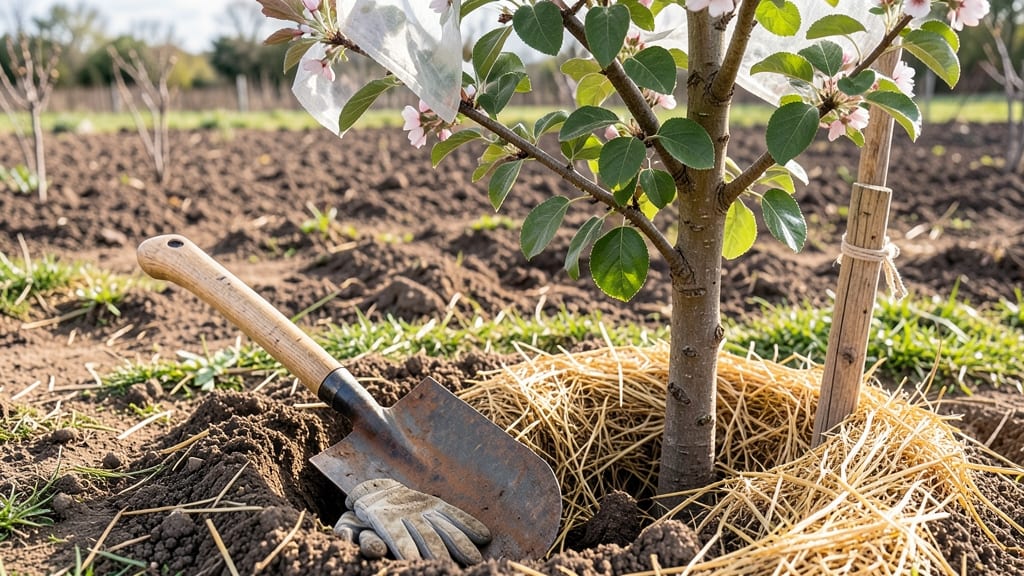
Planting apple trees in Massachusetts at the right time ensures strong root growth and healthier trees for years to come 🍎.
Timing is everything when it comes to planting apple trees in Massachusetts—plant too early, and frost risks damage; too late, and roots struggle to establish before winter. Mastering the ideal window for USDA Zones 5B-6B ensures stronger trees, better yields, and fewer headaches down the road.
In this guide, we’ll break down the best months for planting—whether you’re working with bare-root or containerized trees—and how to prepare your soil for success.
You’ll also learn how to avoid common mistakes, like planting too deep or ignoring soil conditions, so your apple tree gets off to the right start in spring or fall.
Optimal planting windows for Massachusetts apple trees by USDA zone 5B-6B
Massachusetts gardeners know that timing is critical when planting apple trees. In USDA Zones 5B-6B, the last spring frost typically arrives by mid-April, while the first fall frost hits around mid-October.
These dates create two prime planting windows: early spring (March-April) and early fall (September-October). Each offers unique advantages depending on whether you're planting bare-root or container-grown trees.
For bare-root apple trees, early spring planting gives roots 6-8 weeks of warm soil before summer heat arrives. This allows roots to establish before the tree enters dormancy in fall. However, planting too early risks frost damage to emerging buds.
Fall planting, on the other hand, lets roots grow undisturbed until spring, but must occur 4-6 weeks before ground freezes to avoid winter stress.
Container-grown trees offer more flexibility since their roots aren't exposed. They can be planted throughout the growing season, but spring and early fall still provide the best conditions.
The key difference? Container-grown trees require immediate watering to rehydrate roots, while bare-root trees need soil-to-root contact within 24 hours of purchase.
Soil temperature is another critical factor. Apple tree roots thrive when soil stays above 40°F (4°C). In Massachusetts, this typically occurs by late March in most areas. Using a soil thermometer can help you confirm readiness—planting when soil temps consistently stay above 50°F (10°C) gives roots the best start.
🌱 Massachusetts Apple Tree Planting Comparison
| Planting Method | Best Months | Soil Temp Threshold | Frost Risk | Root Establishment Time |
|---|---|---|---|---|
| Bare-Root | March-April September-October |
Above 40°F (4°C) | High (spring) Low (fall) |
6-8 weeks (spring) 8-10 weeks (fall) |
| Container-Grown | March-May September-October |
Above 50°F (10°C) | Moderate (spring) Low (fall) |
4-6 weeks (spring) 6-8 weeks (fall) |
🌡️ Note: Always check local frost dates—Massachusetts can vary by region!
If you're planting in spring, aim for March or early April when soil begins to thaw but before buds swell. This gives roots time to establish before the tree focuses energy on leaf and fruit production.
For fall planting, late September to early October is ideal—roots grow until frost, then enter dormancy stronger and more resilient.
One common mistake in Massachusetts is waiting until May to plant. While possible, late spring plantings often struggle with summer heat stress and may not establish roots before winter. Similarly, planting in November risks roots freezing before they can harden off.
Always monitor local weather forecasts and aim to finish planting at least 4 weeks before the average first frost date.
For container-grown trees, the window is slightly wider—you can plant through May in most of Massachusetts. However, these trees still benefit from early season planting because their root balls need time to integrate with native soil.
After planting, deep watering (10-20 gallons) is essential to reduce transplant shock, especially in drought-prone years like 2020.
In Zone 5B (cooler areas like the Berkshires), prioritize early spring planting due to shorter growing seasons. In Zone 6B (warmer areas like Cape Cod), fall planting becomes slightly more forgiving, but still avoid planting after mid-October.
Always choose disease-resistant varieties like 'Liberty' or 'Enterprise' to combat Massachusetts' humid summers.
After planting, mulch heavily (3-4 inches of organic mulch) to retain moisture and regulate soil temperature. This is especially critical in spring when soil can still be cold at depth.
For bare-root trees, avoid fertilizing until new growth appears in spring—roots need time to recover from transplant stress before taking up nutrients.
Remember: patience pays off with apple trees. A tree planted in the optimal window with proper aftercare can produce fruit in 3-5 years, while poorly timed plantings may take 7+ years to bear.
With Massachusetts' climate, spring or early fall planting gives your apple trees the best chance to thrive and reward you with homegrown fruit for decades. 🍏
How to prepare Massachusetts soil for apple tree planting in spring vs. fall
Preparing your soil properly is the foundation for a thriving apple tree in Massachusetts. The right soil conditions ensure strong root growth and better fruit production.
Whether you’re planting in spring or fall, focus on drainage, organic matter, and proper pH levels to set your tree up for success.
Apple trees thrive in well-draining, slightly acidic soil with a pH between 6.0 and 7.0. If your soil is too alkaline or compacted, roots will struggle to access nutrients and water. Start by testing your soil’s pH and adjusting it if needed before planting.
🌱 Ready to prep your soil? Here’s a step-by-step guide tailored for Massachusetts gardeners:
Step-by-Step Soil Prep for Apple Trees
-
1. Test Soil pH
Use a soil test kit to check pH. Aim for 6.0–7.0—adjust with lime (for acidic soil) or sulfur (for alkaline soil). -
2. Improve Drainage
Amend heavy clay soil with compost or sand to prevent waterlogging. Apple trees hate soggy roots! -
3. Add Organic Matter
Mix in 3–4 inches of compost or well-rotted manure to enrich soil and retain moisture. -
4. Fertilize at the Right Time
For spring planting, apply a balanced 10-10-10 fertilizer when buds swell. For fall planting, skip fertilizer—focus on root growth before dormancy. -
5. Mulch for Moisture
Spread 2–3 inches of mulch (wood chips or straw) around the base to retain moisture and regulate soil temperature.
In spring, prioritize soil prep 4–6 weeks before planting to allow amendments to settle. For fall planting, focus on drainage and organic matter—fertilize lightly in early fall to encourage root growth before winter.
After planting, water deeply to settle the soil and encourage root contact with amendments. Avoid overwatering, as apple trees prefer consistent moisture rather than soggy conditions.
With the right soil prep, your apple tree will establish strong roots and reward you with abundant fruit for years to come 🌳.