
Plants
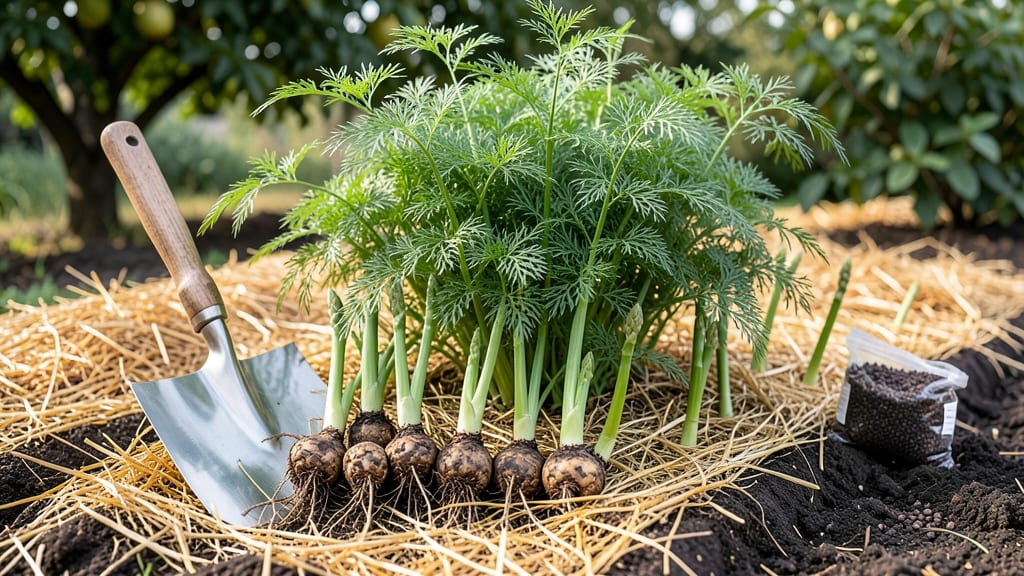
To plant asparagus in Illinois, aim for early spring between March and April when soil temperatures hit 50°F—this ensures your crowns escape frost and establish strong roots before summer heat arrives.
If you’ve ever watched your 🌱 asparagus crowns wilt after a late frost or struggled to get spears in your first harvest, you know timing is everything.
Illinois’s USDA Zones 5-6 demand precision: plant too early, and frost zaps tender shoots; too late, and you miss the ideal window for a year-round harvest.
Here’s the game-changer: Southern Illinois gardeners can start as early as mid-March, while northern areas should wait until late April. We’ll break down soil prep, frost risk, and whether crowns or seeds work best for your region—plus how to extend your harvest into fall.
Ready to grow asparagus that thrives? You’ll learn the exact planting dates, soil secrets, and care tips to turn your Illinois garden into a spear-producing powerhouse—no more wasted crowns or empty beds.
Optimal Illinois asparagus planting dates by USDA hardiness zones (5-7)
Timing your asparagus planting in Illinois depends on your USDA zone (5-7) and whether you're using crowns or seeds. In Zone 5, where last frosts average April 15, aim for early spring planting between March 15 and April 1.
Gardeners in Zone 6 and Zone 7 can start slightly earlier, around March 1, while southern Illinois gardeners in Zone 7 may extend planting to April 15 for fall harvests.
Asparagus thrives when soil temperatures reach 50°F—critical for root establishment. Use a soil thermometer to confirm readiness. In northern Illinois, wait until late April if early spring soils remain cold.
Southern Illinois gardeners can plant 1-2 weeks earlier due to warmer microclimates near rivers like the Mississippi or Ohio.
Here’s your Illinois asparagus planting timeline by zone, including frost risk and soil prep tips:
| Zone | Best Planting Window | Soil Temp Requirement | Frost Risk | Planting Method |
|---|---|---|---|---|
| Zone 5 | March 15–April 1 | 50°F+ | High (last frost: April 15) | Crowns preferred |
| Zone 6 | March 1–March 31 | 50°F+ | Moderate (last frost: April 1) | Crowns or seeds |
| Zone 7 | February 28–April 15 | 50°F+ | Low (last frost: March 15) | Seeds or crowns |
| All Zones | Fall Option: Sept 1–Oct 15 | 60°F+ | None (for established crowns) | Crowns only |
For Zone 5 gardeners, late March is ideal—planting earlier risks frost damage to tender shoots. In Zone 6 and Zone 7, you can start as early as late February if soil temperatures are stable.
Use black plastic mulch to warm soil faster in cooler zones. Southern Illinois gardeners can push fall planting to October 15, but ensure crowns establish roots before first frost.
Crowns outperform seeds in Illinois due to faster maturity. Plant 1-year-old crowns 6–8 inches deep and 12–18 inches apart in well-draining soil with a pH of 6.5–7.5.
Avoid clay soils unless amended with compost or sand. Seeds take 2–3 years to produce spears, while crowns yield in 2 years.
Adjust for microclimates: Urban areas like Chicago (Zone 5) may experience 2–3°F colder soils than rural Peoria (Zone 6). Use row covers if planting early in cold pockets. Southern Illinois’ humid climate increases fungal risks, so prioritize air circulation between rows.
Test soil 2 weeks before planting—Illinois’ clay-heavy soils retain moisture, leading to root rot. Amend with organic matter like leaf mold or aged compost to improve drainage. Water deeply after planting to settle soil around roots, then maintain 1 inch of water weekly during the first growing season.
Pro tip: Mark your planting date on a garden calendar. Asparagus takes 3 years to reach full production, so patience pays off. In Zone 7, you can harvest 2 weeks earlier than Zone 5 due to longer frost-free seasons. Plan accordingly to maximize your spring harvest window.
🌱
How to extend your asparagus harvest season in Illinois (cold hardiness hacks)
Illinois gardeners know that late spring frosts can turn eager asparagus shoots into sad, mushy messes. But with the right strategies, you can push your harvest window by 3-4 weeks earlier or later—meaning more spears for your table!
The key is protecting tender growth from unpredictable Illinois weather while keeping roots happy.
Start by focusing on soil warmth and frost barriers. Asparagus roots need 50°F+ soil to thrive, but shoots emerge when soil hits 40°F.
If your zone 5-6 garden still sees late frosts in May, use black plastic mulch or straw bales to warm soil faster—this can shave off 10-14 days before harvest-ready spears appear.
Here’s the trade-off: organic mulches like straw break down slowly but improve soil over time, while synthetic black plastic warms soil faster but requires removal before harvest to avoid contamination. Your choice depends on whether you prioritize short-term heat or long-term soil health.
Soil Warming Methods for Illinois Asparagus
Organic Mulches
- Pros: Improves soil fertility, breaks down naturally
- Cons: Slower soil warming, may attract pests
- Best for: Long-term garden health
Synthetic Mulches
- Pros: Warms soil 5-7°F faster, weed suppression
- Cons: Must be removed before harvest, no soil benefits
- Best for: Early harvests in frost-prone zones
For late-season protection, row covers are your best friend. Use floating row covers or low tunnels to shield spears from early October frosts. These can extend harvests by 2-3 weeks, but remove them during the day to prevent overheating—asparagus needs airflow to avoid fungal diseases like rust.
Companion planting also works wonders. Pair your asparagus with basil or marigolds to deter pests like asparagus beetles, which can devastate tender shoots. These plants also improve soil structure and repel voles, a common Illinois problem. Just avoid planting near potatoes—they compete for nutrients and attract the same pests.
Finally, harvest management is critical. Stop harvesting after the second year to let plants build energy for next season. In Illinois, this means your third-year plants will reward you with 2-3x more spears if you’ve protected them from frost all along.
The secret? Balance warmth, protection, and patience—your future harvest depends on it.