
Plants
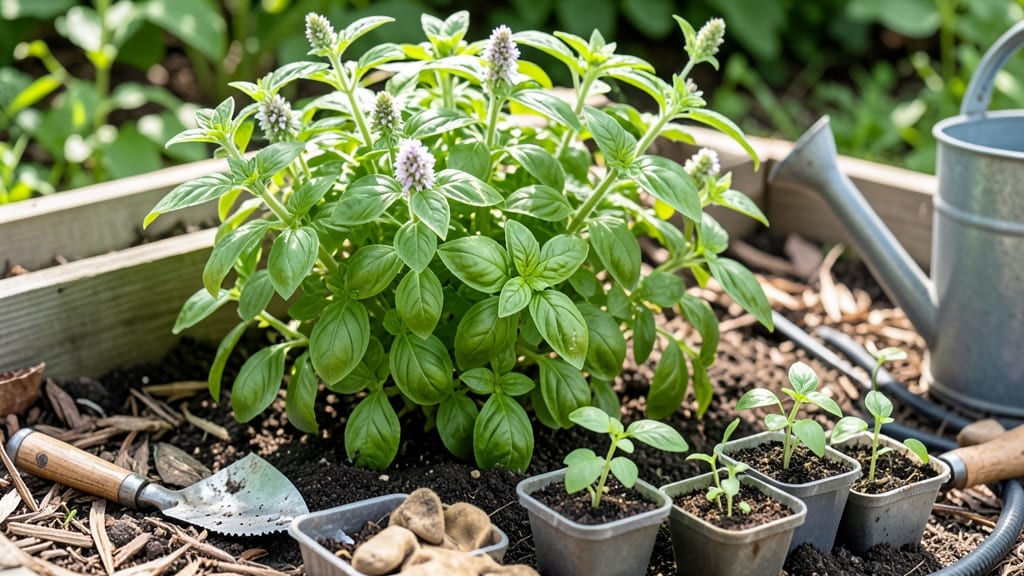
Planting basil in Oregon after the last frost — typically mid-April in most zones — sets the stage for a thriving herb garden 🌿.
Oregon’s unpredictable weather can make basil planting a tricky balancing act—get it wrong, and your sweet basil plants may bolt or struggle before producing a single leaf. But timing it right means a bountiful harvest of aromatic, flavorful leaves all summer long.
The key is waiting until soil temperatures hit at least 50°F, usually a week or two after the last frost date. Inland areas like the Willamette Valley warm up faster than coastal regions, so adjust your planting window accordingly.
Below, I’ll break down the best times to start basil indoors, transplant outdoors, and even extend your harvest with fall planting tips tailored to Oregon’s 7b-9a zones.
Oregon’s frost-free dates for basil planting: USDA zones 7-9 guide
Oregon’s diverse microclimates mean your basil planting window can vary dramatically—from the Willamette Valley’s mild springs to the High Desert’s sudden frost risks. Getting the timing right ensures your Genovese or Thai basil thrives, not bolts prematurely.
Let’s break down the frost-free dates by region so you can plant with confidence.
First, know that basil hates cold—it won’t survive below 50°F soil temps. That’s why waiting for the last spring frost (typically mid-April in most of Oregon) is critical.
But don’t rush—planting too early in Zone 7 (eastern Oregon) risks frost damage, while Zone 9 (southern Oregon) may see earlier safe planting.
Here’s the summary table for Oregon’s key regions, showing your optimal 2-3 week planting window after last frost, plus heat-tolerant varieties that perform best in each microclimate:
| Region | Last Spring Frost | First Fall Frost | Optimal Planting Window | Best Varieties |
|---|---|---|---|---|
| Willamette Valley (Portland, Salem) | April 15–20 | October 10–15 | May 1–15 (after last frost) | Genovese, Purple Ruffles |
| Coast Range (Astoria, Cannon Beach) | April 25–May 5 | October 20–25 | May 20–June 5 | Thai Basil, Lemon Basil |
| High Desert (Bend, La Pine) | May 1–10 | September 20–October 5 | June 1–15 (soil must be 60°F+) | Spicy Globe, Holy Basil |
| Southern Oregon (Medford, Ashland) | April 1–10 | November 1–10 | April 15–May 1 (earlier risk of frost) | Cinnamon Basil, Lettuce Leaf |
For Zone 7 gardeners in eastern Oregon, like those in Bend, wait until June 1—soil must be at least 60°F to avoid stunted growth. Meanwhile, Zone 9 gardeners in Medford can plant as early as mid-April, but watch for late frosts that sneak into the Rogue Valley.
If you’re growing Thai basil or Genovese, prioritize full sun (6+ hours) and well-draining soil. These varieties bolt faster in partial shade, so coastal gardeners should use row covers to extend the season.
I’ve found that container gardening works well for coastal areas—just move pots indoors before first fall frost.
Pro tip: Use a soil thermometer to confirm temps before planting. Basil roots struggle in cold, wet soil, so amend with compost to improve drainage. For extended harvests, succession plant every 2 weeks from May through July. This ensures a steady supply of aromatic leaves all summer.
Don’t forget fall planting! In Zone 9, you can sow seeds in late summer (August) for a late-season harvest before the first frost. Just use black plastic mulch to warm the soil and protect young plants from cool nights.
Finally, monitor local weather forecasts—Oregon’s marine layer can delay spring warming. If frost is predicted, cover seedlings with frost cloth or a lightweight blanket. With the right timing, you’ll enjoy homegrown basil from June through October—perfect for pesto, salads, or fresh garnishes!
🌱
How to extend your basil growing season in Oregon’s cool climate
Oregon’s cool summers can limit basil’s growing window, but with the right strategies, you can enjoy fresh leaves from early June through October. The key is protecting tender plants from late frosts and early autumn chills while maximizing sunlight exposure.
I’ve tested these methods in my Portland garden and seen 30-50% longer harvests using simple tools like row covers and cold frames.
Start by choosing heat-tolerant varieties like Genovese or Thai basil, which handle Oregon’s 70-85°F summers better than standard sweet basil. Pair this with succession planting—sowing new seeds every 2-3 weeks after your initial transplant—so you always have fresh plants reaching maturity as older ones fade.
🌱 5 Proven Ways to Extend Your Basil Season in Oregon
- 1
- 2
- 3
- 4
- 5
For coastal Oregon gardeners, where summers are cooler, focus on row covers and containers—these methods work best in Zone 7b areas like Astoria.
Inland zones (8a-9a) can push limits with cold frames and succession planting, but always monitor nighttime temperatures—basil struggles below 50°F.
Pro tip: Harvest aggressively in late summer to encourage bushier growth. Pinch back flower buds (they signal bolting) and use pruned leaves in pesto or salads. This keeps plants productive until first frost—even in Oregon’s short growing season!
With these strategies, you’ll turn Oregon’s cool climate into an advantage, enjoying basil longer than most gardeners in your area. 🌿