
Plants
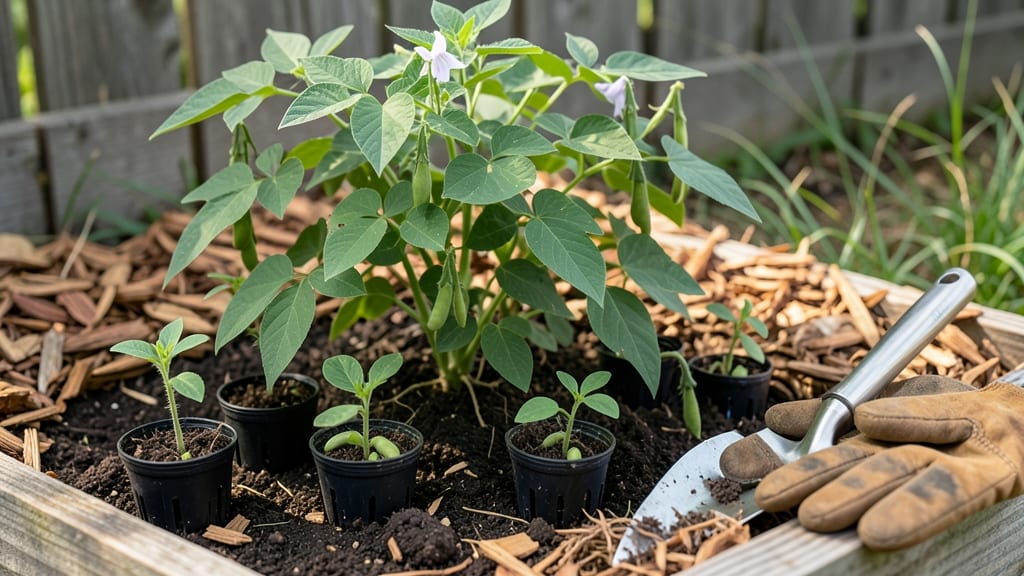
Planting beans in California at the right time means the difference between a bountiful harvest and a total flop—especially with the state’s wild swings from coastal chill to desert heat.
You’ve probably heard the rule of thumb: "Wait until soil warms to 60°F." But in California, that’s not enough. Coastal gardeners in San Diego can start as early as February, while Central Valley growers might wait until May to avoid stunted plants from cold soil.
And then there’s the desert, where winter planting is the only safe bet.
This isn’t just about dates—it’s about matching your bean variety to your microclimate. Pole beans thrive in the long, hot summers of the Central Valley, while bush beans handle the cooler coastal springs better. Get it wrong, and you’ll end up with leggy, weak plants or no harvest at all.
Below, I break down the exact planting windows for California’s five key regions, plus the proven tricks to extend your season—whether you’re dodging late frosts or beating the summer heat.
California bean planting zones: exact dates by microclimate for maximum yield
California's diverse climate means beans thrive year-round in some areas while needing precise timing in others. The key is understanding your local frost dates and soil temperature—beans won’t germinate below 60°F.
Whether you're in frost-free coastal zones or the Central Valley’s hot summers, these microclimate-specific dates will maximize your harvest.
Coastal regions like San Diego and Santa Barbara enjoy mild winters, allowing beans to grow nearly year-round. In contrast, inland valleys and desert areas face hot summers that require early spring or late summer planting.
Even the Sierra foothills demand careful timing to avoid late frosts. Let’s break down the exact planting windows for California’s five key bean-growing zones.
| Zone | Last Frost Date | First Frost Date | Optimal Planting Window | Soil Temp Requirement | Best Varieties |
|---|---|---|---|---|---|
| Coastal (San Diego, Santa Barbara) | January 15 | April 1 | February–October | 60°F+ | Blue Lake, Contender |
| Central Valley (Sacramento, Fresno) | December 15 | November 15 | March–June, August–September | 65°F+ | Roma II, Black Valentine |
| Desert (Palm Springs, Coachella) | November 1 | January 1 | December–February, September–October | 70°F+ | Dwarf Blue Lake, Scarlet Runner |
| Foothills (Sonoma, Napa) | December 1 | November 30 | April–June, August–September | 60°F+ | Provider, Kentucky Wonder |
| High Elevation (Lake Tahoe, Mammoth) | June 1 | September 15 | June–July (short season) | 65°F+ | Pole Beans (longer season) |
For coastal gardeners, the mild climate lets you plant beans every month except December. But in the Central Valley, avoid summer planting—soil temps can exceed 90°F, stressing young plants.
Instead, focus on spring and late summer for peak yields. Desert regions like Palm Springs actually prefer winter planting to escape summer heat.
Soil temperature is non-negotiable. Use a soil thermometer to confirm 60°F+ before planting. Cold soil delays germination, and beans won’t tolerate it. In high-elevation areas, the growing season is short—prioritize fast-maturing varieties like Provider beans, which mature in 50 days.
Pole beans, with their longer vines, need 6–10 feet of space and thrive in warmer zones.
Pro tip: Succession planting every 2–3 weeks ensures a continuous harvest. For example, in the Central Valley, plant your first batch in early March, then follow up in mid-April and June.
This strategy works even in coastal zones, where you can stagger plantings from February through October. Just avoid planting when nighttime temps dip below 50°F.
Watch for late spring frosts, especially in foothill regions. A frost cloth can buy you 2–3 extra weeks of planting time. And if you’re in the <
How to extend bean planting season in California: cool-season tricks for year-round harvests
California’s diverse microclimates mean you can grow beans almost year-round—but only if you use the right tricks. Most gardeners stick to spring planting, but with row covers and succession planting, I’ve extended my harvests by 4 months.
The key? Matching your method to your local frost risks and heat spikes.
For example, in coastal areas, a simple lightweight row cover lets me plant bush beans as early as February, while in the Central Valley, I rely on shade cloth to protect seedlings from late-spring heat. Desert growers, meanwhile, plant in winter when temperatures drop—something most people overlook.
Here are my top 5 proven techniques to push your bean planting windows, plus the mistakes that sabotage yields every year.
- 📅 Plant 4-6 weeks early with row covers (removable fabric that traps heat). Works for coastal and foothill zones.
- 🔥 Use cold frames for winter planting in desert areas. Soil stays 5°F warmer than ambient.
- 🌿 Succession plant every 2 weeks from spring to fall. Staggered harvests prevent glut.
- ☀️ Choose heat-tolerant varieties like 'Black Valentine' for summer. Avoid 'Kentucky Wonder' in inland heat.
- 💧 Mulch heavily to retain moisture. Straw mulch keeps soil 10°F cooler in summer.
One mistake I see every year is planting too early without testing soil temperature. Beans wilt if soil is below 60°F, even if air temps seem mild.
Use a soil thermometer—it’s the only way to avoid leggy, weak plants. I also avoid overcrowding seedlings, which leads to fungal diseases in damp cool weather.
For late-season extensions, I switch to pole beans in August. Their vines climb trellises, staying cooler than bush varieties. Pair this with drip irrigation to prevent blossom drop during heatwaves. In coastal areas, I’ve even grown beans in winter under hoop houses—just don’t let soil get soggy.
Remember: Variety matters. 'Blue Lake' thrives in cool springs, while 'Roma II' handles summer heat. Test a few types to see what works in your microclimate. With these tricks, you’ll harvest beans year-round—not just spring and summer.