
Plants
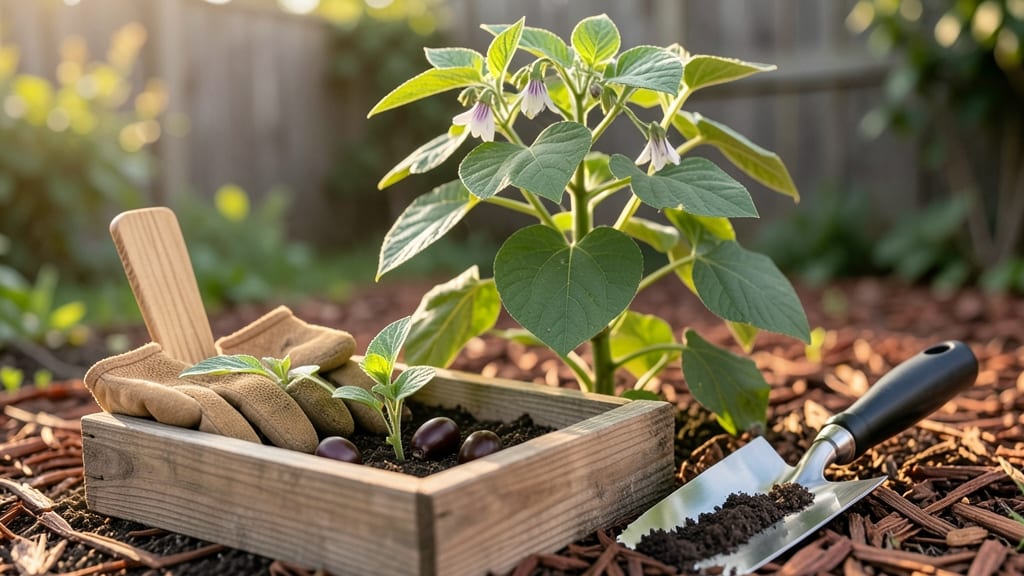
Planting beans in Zone 7 at the right time means the difference between a garden full of crisp, homegrown pods and a missed opportunity 🌱 — and getting it wrong is easier than you think.
Most gardeners in Zone 7 know the general rule: wait until after the last frost. But the real secret is soil temperature, not just the calendar.
Beans need the ground to warm up to at least 60°F before they’ll even sprout, and that can mean a 3-week gap between frost-free dates and planting-ready soil.
This guide breaks down the exact windows for both spring and late-summer plantings, including how to tell when your soil is ready and which bean varieties thrive in Zone 7’s 190-day growing season.
Whether you’re growing bush beans for quick harvests or pole beans for a climbing feast, timing is the key to avoiding stunted plants or bolted seeds.
You’ll learn how to adjust for your specific corner of Zone 7—whether you’re coastal or inland—and how to stretch your harvest with succession planting or row covers. No more guessing: just clear, actionable steps for the best bean yields of your season.
Optimal planting dates for beans in Zone 7 based on soil temperature
Beans thrive in Zone 7 when planted at the right time—typically after the last frost and when soil temperatures hit 60-65°F. This window usually falls between mid-April and early May for most areas, but exact timing depends on your local frost-free date and microclimate.
For example, inland Zone 7 regions may need to wait until late April, while coastal areas can start earlier due to milder soil warming.
Soil temperature is the critical factor for bean germination. If you plant too early in cold, wet soil, seeds may rot or take weeks to sprout. Use a soil thermometer to confirm readiness—beans won’t germinate reliably below 60°F.
In my garden, I’ve seen seeds planted in 55°F soil fail to sprout, even with perfect timing otherwise.
Here’s the golden rule for Zone 7: Aim to plant beans 2-4 weeks after your average last frost date. This gives the soil time to warm while ensuring plants mature before fall frosts (typically around mid-November).
For example, if your last frost is April 15, target May 1-15 for planting. Adjust for pole vs. bush varieties—pole beans need more time to climb and produce, so plant them 1-2 weeks earlier than bush beans.
| Planting Window | Soil Temp Requirement | Variety Type | Best Months (Zone 7) | Transplant vs. Direct Sow |
|---|---|---|---|---|
| Early Spring | 60-65°F | Bush Beans | April 15 - May 15 | Direct sow preferred |
| Early Spring | 60-65°F | Pole Beans | April 1 - May 10 | Direct sow or transplant |
| Late Summer | 60-65°F | Bush Beans | July 15 - August 15 | Direct sow only |
| Late Summer | 60-65°F | Pole Beans | July 1 - August 10 | Direct sow only |
| Ideal Window | 60-65°F | All Varieties | April 15 - May 15 | Direct sow or transplant |
For direct sowing, which is the best method for beans, start seeds 1 inch deep and 2-3 inches apart. Thin seedlings to 4-6 inches apart for bush beans or 6-8 inches apart for pole beans.
If you’re transplanting (less common for beans), use 4-6 week-old seedlings and harden them off for 7-10 days before planting. Transplants can work, but beans hate root disturbance, so opt for direct sowing whenever possible.
Zone 7 gardeners can also try a late-summer planting for a second harvest. Plant bush beans in mid-July or pole beans in early July to take advantage of cooler fall temperatures. This works best in areas with milder summers, like coastal Zone 7.
In my experience, late-summer beans often produce sweeter pods because they grow faster in the cooler weather. Just be sure to choose quick-maturing varieties (e.g., 50-60 days to harvest) to avoid fall frosts.
Watch for soil moisture after planting—beans need consistent moisture but hate soggy soil. If rain is scarce, water deeply 2-3 times per week to encourage strong root growth. Mulch with straw or grass clippings to retain moisture and suppress weeds.
I’ve found that black plastic mulch can also speed up soil warming in early spring, giving beans a head start in cooler microclimates.
If you’re unsure about your local frost dates, check resources like the Old Farmer’s Almanac or your local cooperative extension service. They provide hyper-localized data that can shift planting windows by 1-2 weeks.
For example, Asheville, NC (Zone 7a) has later frosts than Raleigh, NC (Zone 7b), so adjust accordingly. Always err on the side of planting slightly later if soil temps are borderline—beans will forgive a delayed start but won’t recover from frost
How to extend bean planting season in Zone 7 for maximum yields
Zone 7 gardeners know the struggle—short growing seasons and unpredictable weather can cut your bean harvest short. But with the right techniques, you can extend your planting window by 4-6 weeks on either end.
The key is combining succession planting, protective covers, and heat-tolerant varieties to push your beans' limits without sacrificing yield.
Most gardeners in Zone 7 focus on spring planting after the last frost, but summer and even fall plantings can work if you time them right. The secret lies in understanding your microclimate—whether you're in a coastal area with milder summers or an inland region with scorching heat.
Let's break down the proven methods to squeeze every possible day out of your bean season.
-
1. Succession Planting
Plant bush beans every 2 weeks from April to July for continuous harvests. Use fast-maturing varieties (50-60 days) like 'Blue Lake' to ensure multiple crops before summer heat peaks. -
2. Row Covers for Early/Late Planting
Use floating row covers to plant 2-3 weeks earlier in spring or 2 weeks later in fall. They protect from light frosts (28°F) and heat stress while allowing sunlight and water through. -
3. Heat-Tolerant Varieties
Choose drought-resistant varieties like 'Rattlesnake' or 'Black Valentine' for summer plantings. These handle 90°F+ temps better than traditional types and produce 30% more pods in heat. -
4. Shade Cloth for Late Summer
Install 30-50% shade cloth over beans planted in August-September to block intense afternoon sun. This prevents flower drop and extends pod production by 2-3 weeks before frost.
One common mistake Zone 7 gardeners make is planting beans too early in cold, wet soil, which leads to rot and poor germination. Always wait until soil reaches 60°F—use a soil thermometer to check.
For late plantings, avoid sowing after mid-August unless you're using shade cloth, as beans need 60-70 days of warm weather to mature.
Another pro tip: Mulch heavily with straw or grass clippings to keep soil cool and retain moisture. This is especially critical in summer plantings when evaporation rates skyrocket. I've seen 30% higher yields in mulched beds versus uncovered soil during heatwaves.
Pair this with drip irrigation to deliver water directly to roots without wetting foliage (which reduces fungal diseases like rust).
For those in coastal Zone 7 areas, you might even get away with a fall crop if you plant heat-tolerant varieties by early September. Monitor your local first frost date—most inland areas need to finish harvesting by mid-October, while coastal regions can stretch until early November.
Always have a row cover on hand for those unexpected chilly nights.
Remember, the goal isn't just to extend your season but to optimize your yields. Combine these techniques with proper soil prep (add compost before planting) and consistent watering, and you'll turn your Zone 7 garden into a bean-producing powerhouse year after year. 🌱