
Plants
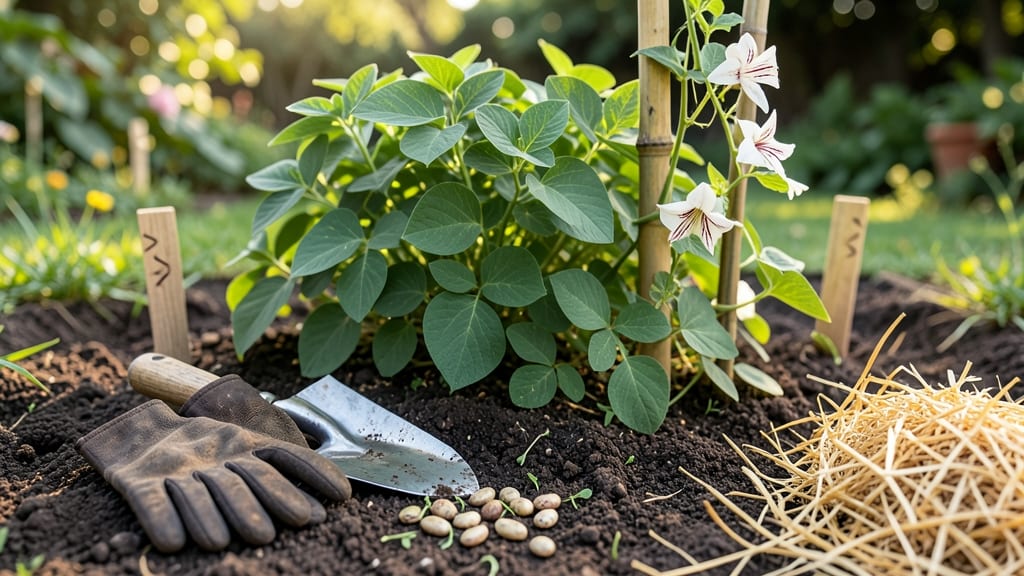
Planting beans in Zone 6 after the last frost—typically mid-April to early June—sets the stage for a harvest that stretches from July to September.
But here’s the catch: even within Zone 6, a one-week difference in planting can mean the difference between thriving vines and wilted seedlings. In northern 6a, you might need to wait until late May, while southern 6b can start as early as early April.
Soil temperature is the real game-changer—beans need at least 50°F to germinate, and cooler pockets in your yard can delay growth. We’ll break down how to read your microclimate, adjust for bush vs. pole varieties, and even squeeze in a late-summer planting for a second crop.
By the end, you’ll know exactly when to drop those seeds, how to protect them from late frosts, and which varieties play best in your corner of Zone 6.
Optimal planting windows for beans in Zone 6 based on soil temperature
Planting beans in Zone 6 requires precise timing based on soil temperature, not just air temperature. Most varieties thrive when soil reaches 50°F or warmer, signaling the perfect window for germination.
In my experience, this typically falls between mid-April and early June, but exact dates vary by microclimate and bean type.
For bush beans, which mature quickly (50-60 days), I plant them as soon as soil warms to 55°F—often just 2-3 weeks after last frost. Pole beans, however, need a longer season (60-90 days) and benefit from a slightly later start to avoid early frost damage.
Heirloom varieties, like Kentucky Wonder or Romano, often require even warmer soil (60°F+) for optimal germination. I’ve found that waiting until late May ensures these delicate seeds sprout without risking soil-borne diseases from cool, damp conditions.
🌱
| Bean Type | Soil Temp Threshold | Planting Window (Zone 6) | Days to Maturity | Succession Notes |
|---|---|---|---|---|
| Bush Beans (e.g., Blue Lake) | 50-55°F | Mid-April to early May | 50-60 days | Plant every 2 weeks for continuous harvest |
| Pole Beans (e.g., Kentucky Wonder) | 55-60°F | Late May to early June | 60-90 days | Stake trellis early; avoid late plantings |
| Heirloom Beans (e.g., Romano) | 60°F+ | Late May to mid-June | 70-85 days | Prioritize warm microclimates; mulch heavily |
| Late Summer Succession | 50°F+ (after August 1) | Early August to mid-September | 45-60 days | Use fast-maturing varieties; protect from frost |
Beyond spring planting, late summer succession planting is my secret to extending harvests into September. After the dog days of summer (July-August), soil temperatures often drop to 50°F+ again—ideal for quick-maturing varieties like Blue Lake bush beans.
To test soil warmth, I use a soil thermometer buried 2 inches deep in the morning. If it reads 50°F or warmer for 3 consecutive days, it’s time to plant. For pole beans, I wait until 55°F to ensure vines develop strong roots before late summer heat sets in.
In northern Zone 6a (shorter seasons), I prioritize early-maturing varieties like Provider (50 days) and avoid pole beans unless I use row covers. In southern Zone 6b, I push the envelope with late August plantings, using black plastic mulch to retain heat.
💧
Pro tip: If your soil stays below 50°F past mid-May, try warm-season crops in containers near your house or garage. The urban heat island effect can raise soil temps by 5-10°F, creating a microclimate perfect for early bean starts.
For heirloom varieties, I’ve had the most success planting in raised beds with compost-rich soil, which warms 2-3 days faster than in-ground plots. This gives delicate seeds the consistent warmth they need to germinate reliably.
How microclimates in Zone 6 affect bean planting success (and how to adapt)
Zone 6 gardeners know that average last frost dates (mid-April) don't tell the whole story. Your urban balcony might warm up faster than your shady backyard corner, creating microclimates that shift planting windows by weeks.
Understanding these variations helps you time bean plantings for maximum success—whether you're growing bush beans or pole varieties.
For example, a south-facing slope in Zone 6 can reach soil temperatures of 60°F+ by early April, while a low-lying area might stay cold until late May.
These differences mean the ideal planting window for beans (after soil hits 50°F consistently) can vary from mid-April to early June depending on your microclimate.
⚠️ CALLOUT WARNING: Microclimate Mistakes That Ruin Bean Harvests
⚠️ Planting Too Early in Cold Zones
Beans planted in chilly microclimates (like north-facing urban gardens) before soil reaches 50°F risk rot and poor germination. Even if your neighbor's beans thrive in May, your low-lying spot may need to wait until June.
✅ Fix it: Use a soil thermometer (not just frost dates) and delay planting until soil warms consistently. For windy zones, add windbreaks to protect young seedlings.
To adapt, start by mapping your garden. Note areas that warm fastest (like paved surfaces or black mulch) and those that stay cool (under large trees or shady fences).
In urban gardens, containers on rooftops or balconies often warm up 2-3 weeks earlier than ground soil—perfect for early succession plantings of fast-maturing varieties like Blue Lake beans.
For south-facing slopes, where heat builds quickly, focus on shade-tolerant varieties like Scarlet Runner beans and plant in late May to avoid heat stress during flowering.
In low-lying areas, extend the season with cold frames or row covers to plant 4-6 weeks earlier than your average last frost date.
Mulching is your secret weapon for microclimate adaptation. Apply 2-3 inches of straw or wood chips to retain soil warmth in cool spots and reduce water loss in hot, exposed areas.
This lets you plant beans 1-2 weeks earlier in cold zones or delay planting by a week in heat-prone microclimates without stressing the plants.
Finally, succession planting becomes easier with microclimate awareness. In urban gardens, stagger plantings every 2 weeks from May to July to ensure a continuous harvest. Use pole beans in windy zones—their vertical growth helps reduce wind damage while maximizing space in small areas.