
Plants
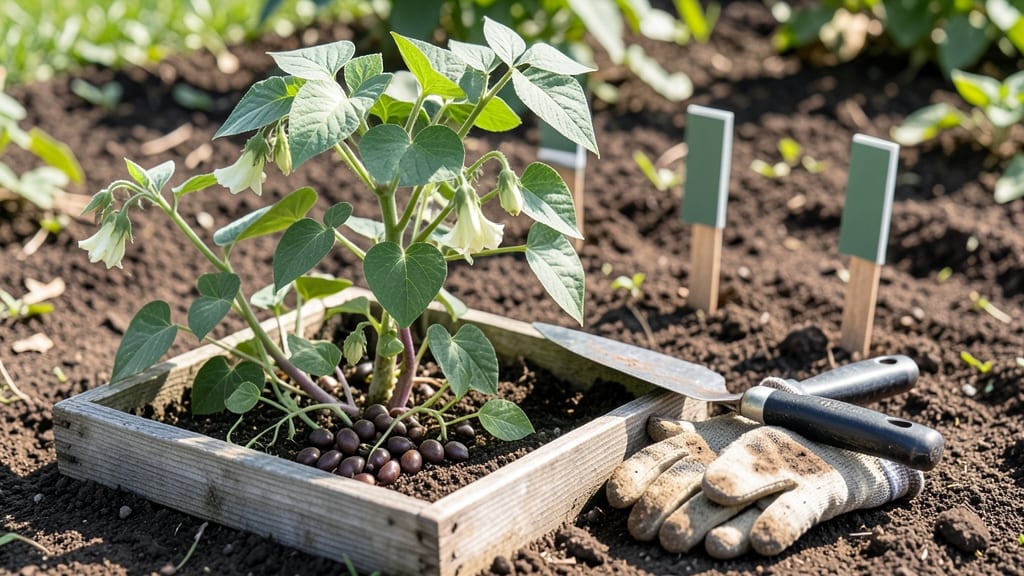
Planting beans in Massachusetts after the last frost and when soil reaches 60°F is the key to a bountiful harvest 🌱.
Massachusetts gardeners know timing is everything—plant beans too early, and frost will kill your crop; too late, and you’ll miss the summer harvest. But with the right strategy, you can grow bush beans, pole beans, and snap peas like a pro.
In 5b-6b zones, your window opens in late April to mid-June for spring plantings, with a second chance in August for fall harvests. The trick? Waiting for soil warmth and avoiding early cold snaps that stall germination.
Below, I’ll break down the exact dates by region, how to test soil temperature, and which fast-growing varieties thrive in Massachusetts’ short season—so you can enjoy fresh beans from July through October.
Best planting dates for beans in Massachusetts: frost-free timeline
Massachusetts gardeners face a short growing season, but beans thrive when planted at the right time. The key is waiting for soil temperatures to reach 60°F and the average last frost date to pass.
In most of Massachusetts, this typically falls between mid-April and early May, but regional differences matter.
For Boston and coastal areas, the last frost often arrives by April 25, while inland regions like Worcester and Springfield may wait until May 10. Understanding these windows ensures your beans get a strong start without frost damage.
Beans love warmth, so pole beans and snap peas should wait until soil is consistently above 60°F. Bush beans are slightly more forgiving but still need warm conditions. Planting too early can lead to poor germination or stunted growth.
Here’s a quick reference for optimal planting windows across Massachusetts regions:
For a continuous harvest, use succession planting every 2 weeks until early July. This ensures fresh beans from summer through early fall. Start with bush beans for quick harvests (50-60 days), followed by pole beans for a longer season (60-70 days).
Don’t forget about fall planting! After the first frost (typically mid-October), beans won’t survive, but you can plant a final crop in late August for a harvest in September or October. Choose cold-tolerant varieties like ‘Provider’ for best results.
If you’re unsure about frost dates, use a frost calendar or check local weather reports. The National Weather Service provides reliable updates for your area. For extra protection, use row covers if planting early in cooler regions.
Once planted, keep soil consistently moist but not waterlogged. Mulch around plants to retain moisture and regulate soil temperature. With the right timing, you’ll enjoy a bountiful harvest of snap peas, bush beans, and pole beans all season long.
Pro tip: Mark your calendar for July 4th weekend—this is a great time to start your final succession planting for a late-summer harvest. Happy gardening! 🌱
How to check soil warmth before planting beans: the 60°F rule
Beans are finicky about soil temperature, and planting too soon can leave your seeds sitting in cold, damp soil for weeks—if they even sprout at all. The magic number for beans is 60°F, the minimum temperature their seeds need to germinate properly.
In Massachusetts, this often means waiting until late May or early June in most regions, but don’t guess—test your soil to be sure.
Cold soil slows germination, making beans vulnerable to rot and pests. I once planted pole beans in April, thinking I’d beat the crowd, only to watch my seeds mold in the ground.
A simple soil temperature check could’ve saved me the heartache—and the wasted seed packets. Let’s fix that with a foolproof method.
- Delayed germination (weeks of waiting)
- Fungal diseases from damp seeds
- Weak seedlings prone to pests
To check soil temperature, grab a soil thermometer (they’re cheap and worth it). Stick the probe 2 inches deep—where your bean seeds will sit—and wait 30 seconds for an accurate reading.
If it’s below 60°F, hold off on planting. Morning is the best time to test, as temperatures fluctuate less than in the afternoon heat.
No thermometer? No problem. Try the finger test: Press your finger into the soil. If it feels cool to the touch (like a chilled drink), it’s not ready. Warmer soil will feel slightly damp but not icy.
For extra accuracy, test the same spot for 3 days in a row—soil temps can bounce around, especially in Massachusetts’ unpredictable spring.
Want to speed up soil warming? Cover your garden bed with black plastic mulch or clear plastic row covers 1-2 weeks before planting. The plastic traps heat from the sun, raising soil temps by 5-10°F.
Just remove it before sowing seeds. Another trick? Plant near dark-colored containers or brick pathways, which absorb and radiate heat naturally.
Common mistakes to avoid: planting based on air temperature (soil stays cold longer), ignoring microclimates** (south-facing beds warm faster), or assuming recent rain means the soil is warm (it actually cools it down).
Patience pays off—wait for that 60°F mark, and your beans will thank you with vigorous sprouts and a bountiful harvest.