
Plants
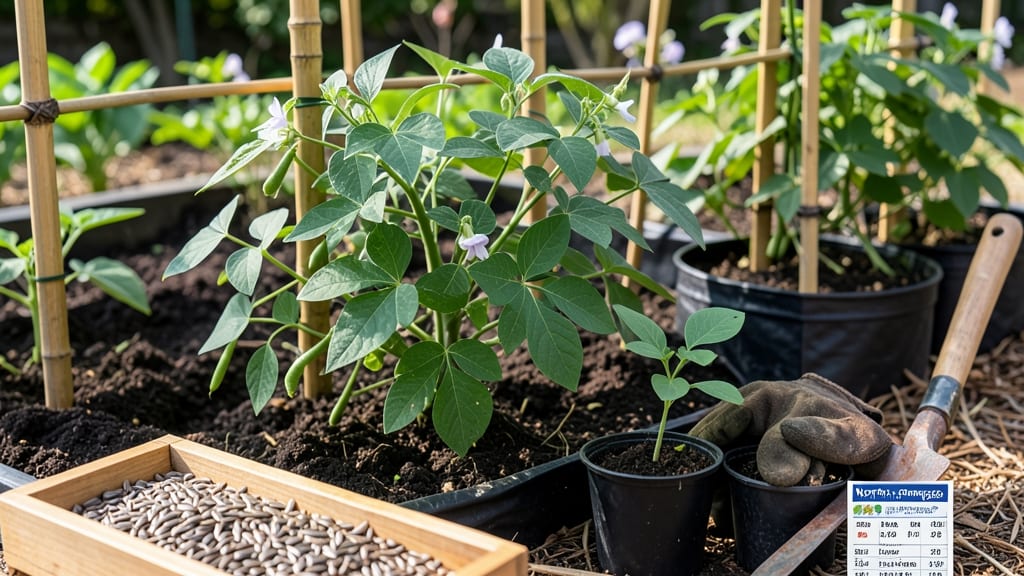
Planting beans in North Carolina at the right time ensures a bountiful harvest 🌱—and missing the window by even a week can leave you with wilted seedlings or stunted growth.
North Carolina’s warm climate and diverse USDA zones make it a prime spot for growing beans—but planting too early or late can ruin your harvest. Timing is everything, especially in zones 7a-8b where frost dates shift dramatically between the mountains and coast.
For most of the state, the sweet spot is between mid-March and mid-May for bush beans and mid-April to mid-June for pole beans. But don’t just grab a calendar—soil temperature and local frost patterns matter just as much.
In this guide, I’ll break down the exact planting windows by region, soil prep tips to boost germination, and how to adjust for NC’s tricky microclimates. No guesswork, just a foolproof plan for your garden.
NC bean planting calendar: exact dates by USDA Zone 7a-8b
North Carolina’s diverse USDA zones 7a-8b create unique planting windows for beans, from the cooler mountain regions to the warmer coastal plains. In Zone 7a (e.g., Asheville), last frost typically arrives March 15-April 1, while Zone 8b (e.g., Wilmington) enjoys earlier soil warming by February 28.
These differences mean your planting schedule should shift by 2-3 weeks depending on location.
For bush beans, aim to plant 2 weeks after your last frost date—this gives young plants time to establish roots before summer heat arrives. Pole beans, which mature slower, can wait until April 15-May 15 in most areas. Lima beans, heat-lovers, thrive when planted after May 1 to avoid cool soil temperatures that stunt growth.
Here’s how to adjust timing based on your specific NC region:
| Region/Zone | Last Frost Date | Bush Beans Window | Pole Beans Window | Fall Planting |
|---|---|---|---|---|
| Asheville (Zone 7a) | March 20-April 5 | April 15-May 15 | May 1-June 1 | Late July-August |
| Raleigh (Zone 7b) | March 15-April 1 | April 1-May 10 | April 15-May 30 | Early August-Sept 1 |
| Coastal (Zone 8a-8b) | February 28-March 15 | March 15-April 15 | April 1-May 15 | Late August-October |
Spring planting is critical—soil must reach 60°F+ for beans to germinate properly. Use a soil thermometer to verify before sowing. In Zone 7a, wait until mid-April for bush beans; coastal areas can start 2 weeks earlier.
For pole beans, extend your window until June 1 in cooler zones to capture late-summer harvests.
Don’t overlook fall planting opportunities! In Raleigh, you can sow heat-tolerant varieties like ‘King of the Garden’ as late as August 15, with harvests stretching into October-November.
Coastal gardeners enjoy even longer windows, often until September 15. Use black plastic mulch to warm soil and extend the season by 2-3 weeks.
For succession planting, repeat sowings every 2-3 weeks from April through July ensure a continuous harvest.
In Asheville, this means planting bush beans every 14 days from April 15 to June 15. Pole beans, which take longer to mature, benefit from 3-4 staggered plantings in May and June.
Watch for late frosts, especially in Zone 7a’s mountain valleys. Use frost blankets or plant near heat-retaining structures like brick walls. Coastal areas rarely face frost after March 15, but hurricane season (June-November) can disrupt harvests—plan for protective netting if storms are forecasted.
Soil preparation matters just as much as timing. Test your soil’s pH (beans prefer 6.0-7.0) and amend with compost or aged manure 2-3 weeks before planting.
In clay-heavy Piedmont soils, mix in sand or peat moss to improve drainage. Coastal sandy soils may need extra organic matter to retain moisture during summer droughts.
Pro tip: Soak seeds overnight before planting to speed up germination. In hot, dry summers, mulch heavily with straw or grass clippings to keep roots cool and moist. This is especially important for bush beans, which bolt (flower prematurely) when stressed by heat or drought.
With these precise planting windows, you’ll avoid the common mistakes of NC gardeners—like planting too early in cool soils or missing fall opportunities. Start with your local frost dates, adjust for microclimates, and soon you’ll be harvesting fresh beans from May through October! 🌱
How to adjust planting for NC’s microclimates and soil conditions
North Carolina’s diverse microclimates mean your bean planting strategy should change dramatically depending on whether you’re in the Piedmont’s clay-heavy soils or the coastal humidity of Wilmington. Even within the same zone, urban heat islands can push planting windows 2-3 weeks earlier than rural areas.
For example, Raleigh’s Zone 7b may see last frosts in early April, while Asheville’s Zone 7a can experience late frosts until May 10—a critical difference for heat-loving beans.
Soil conditions add another layer of complexity. The Piedmont’s red clay drains poorly when wet and bakes hard in summer, while coastal sandy loams dry out faster and need organic matter to retain moisture.
Even urban container gardens face unique challenges like limited root space and faster drying. Adjusting for these factors can double your yield by creating ideal growing conditions for beans’ 60°F minimum soil temperature requirement.
Adjustments for NC Microclimates
- ✅ Pro: Holds moisture well for summer droughts
- ✅ Pro: Natural nutrients from decomposed granite
- ❌ Con: Compacts easily—needs compost amendments
- ❌ Con: Poor drainage risks root rot in wet springs
- 💡 Fix: Plant on raised mounds 6" high
- ✅ Pro: Warmer soil heats up 2 weeks earlier
- ✅ Pro: Less compaction than clay
- ❌ Con: Dries out 3x faster in summer
- ❌ Con: Needs organic matter for fertility
- 💡 Fix: Mulch with straw 3" deep
- ✅ Pro: Control soil quality completely
- ✅ Pro: Warmer soil in black pots
- ❌ Con: Dries out daily in summer
- ❌ Con: Limited root space reduces yield
- 💡 Fix: Use 5-gallon pots minimum with moisture beads
- ✅ Pro: Cooler nights extend harvest
- ✅ Pro: Less pest pressure
- ❌ Con: Late frosts until May 15
- ❌ Con: Shorter growing season
- 💡 Fix: Use black plastic mulch to warm soil
For soil preparation, test your pH—beans thrive in 6.0-7.0 range. Piedmont clay often tests 5.5 or lower, while coastal soils may hit 7.5+. Amend with lime for acidity or sulfur for alkalinity, and mix in 3 inches of compost before planting.
In Zone 7a mountain areas, use row covers until May 15 to protect against late frosts that can kill young plants in 24 hours.
Companion planting boosts yields by 30-40% in NC’s challenging soils. Pair beans with corn and squash (the "Three Sisters" method) to improve soil structure, or plant marigolds nearby to repel Mexican bean beetles.
Avoid planting near onions or garlic, which stunt bean growth. In urban gardens, use vertical trellises for pole beans to save space while maximizing sunlight exposure.
Watering strategies must adapt too. Drip irrigation is ideal for clay soils to prevent surface crusting, while coastal gardens need deep watering every 2-3 days to combat sandy soil’s rapid drying.
In summer heat, water in the early morning to reduce evaporation and fungal risks. For container gardens, check moisture daily—dry soil means beans stop producing pods within hours.
Remember: NC’s humidity levels create ideal conditions for fungal diseases like rust and anthracnose. Space plants 4-6 inches apart for bush beans or 6-8 inches for pole beans to improve airflow, and remove yellowing leaves immediately to prevent spread.
With these adjustments, you’ll transform NC’s challenging conditions into a bean-growing powerhouse. 🌱