
Plants
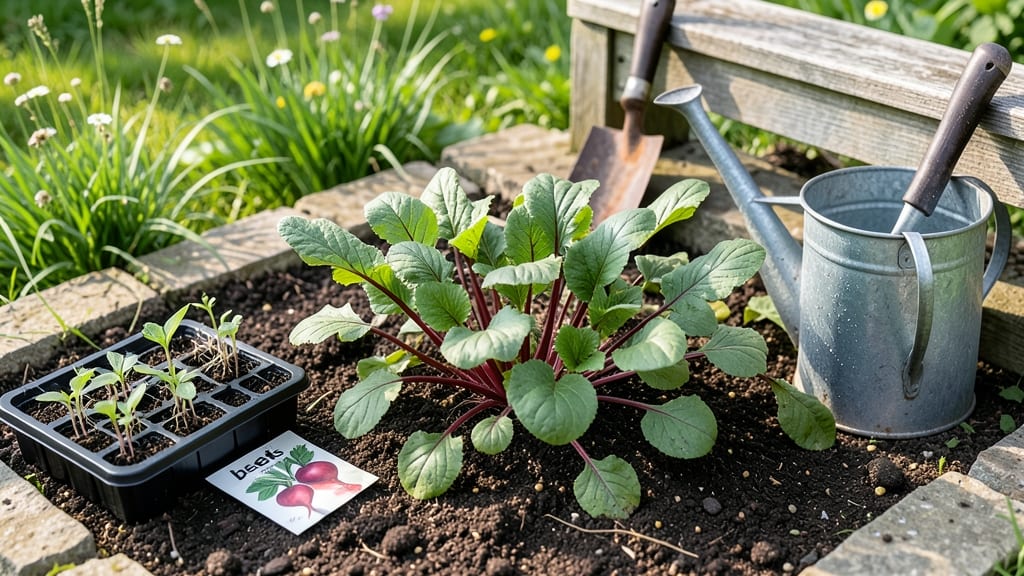
Planting beets in Arizona at the right time means the difference between sweet, tender roots and bitter, bolted greens—aim for September-October or February-March to beat the heat.
Arizona’s scorching summers can turn your beet seeds into bitter disappointment—unless you plant them at the perfect time to avoid bolting and ensure sweet, tender roots.
The key is timing: beets thrive in cool weather but bolt (go to seed) when temperatures climb above 75°F. In USDA Zone 9b, your best bets are early fall or late winter, when soil temps stay ideal and the sun isn’t brutal.
Below, I’ll show you exactly how to time your plantings, which varieties hold up best, and simple tricks to keep your 🍠 beets happy—no guesswork, just great harvests.
Best planting times for beets in Arizona’s desert climate
Arizona’s USDA Zone 9b climate demands precision when planting beets—miss the window, and you’ll end up with bitter, bolted greens instead of sweet roots. The key? Plant when soil temperatures hover between 50-75°F, avoiding the 100°F+ summers that trigger bolting.
With 300 frost-free days, timing is everything for a successful harvest.
Most Arizona gardeners focus on two ideal planting windows: early fall (September-October) and late winter (February-March). These periods offer cooler temps and consistent moisture, giving beets the perfect environment to thrive. Early fall plants often produce roots by November-December, while spring plantings yield in April-May.
⚠️ PRO TIP: Use Arizona’s microclimates to your advantage. Higher elevations (like Flagstaff) can plant 1-2 weeks earlier than Phoenix, where summer heat lingers longer. Check your local last frost date—though Arizona rarely freezes, desert valleys can dip below 32°F in winter.
For early fall plantings, start seeds indoors in late August or direct-sow in early September. Use black plastic mulch to warm soil faster and deter weeds. Aim for a 60-day harvest window before winter rains arrive, which can rot roots if soil stays soggy too long.
If you prefer spring plantings, sow seeds in February for a March-April harvest. Beets planted in March may bolt by May as temps rise, so opt for shade-tolerant varieties like 'Chioggia' if extending into early spring. Always harden off seedlings for 7-10 days before transplanting to avoid shock.
One common mistake? Planting beets in August for a "fall crop." The heat will cause them to bolt prematurely, producing tough, woody roots. Instead, treat August as your seed-saving month—let a few plants flower to collect seeds for next year’s fall garden.
Pro tip: Test your soil before planting. Arizona’s alkaline soils (pH 7.5-8.5) can stunt beet growth. Amend with compost or sulfur to lower pH to 6.0-7.0 for optimal root development. A simple soil test kit (available at local nurseries) makes this easy.
Finally, leverage succession planting to maximize your harvest. Sow every 2 weeks in September and February for a steady supply. Thin seedlings to 2-3 inches apart to prevent competition, and always harvest when roots reach 1-3 inches in diameter for the sweetest flavor.
With these timing strategies, you’ll avoid the heartbreak of bolted beets and enjoy a bounty of sweet, tender roots all season long. Happy planting! 🌱
How to extend beet growing season in Arizona without bolting
Arizona’s extreme heat forces beets to bolt—sending them into flower mode instead of growing sweet roots. The key to success? Controlling temperature and moisture while extending your harvest window.
I’ve tested these tactics in my own desert garden, and they’ve kept my beets tender and productive for months longer than usual.
First, focus on shade and mulch—two of the most effective tools to trick your beets into thinking they’re in cooler conditions. A 30-50% shade cloth can drop soil temperatures by 10-15°F, while mulching with straw (not black plastic) keeps roots cool and retains moisture.
I’ll share my exact setup in the steps below.
- Step 1: Install shade cloth in late August to lower soil temps by 10-15°F. Use 30-50% shade for best results—avoid full shade, which stunts growth.
- Step 2: Mulch with straw (3-4 inches deep) to insulate roots. Black plastic traps heat—skip it! Straw also suppresses weeds and retains 30% more moisture than bare soil.
- Step 3: Plant companions like lettuce or radishes to shade soil naturally. Their shallow roots also improve soil structure while keeping beets cool.
Next, succession planting is your secret weapon. Instead of sowing all your seeds at once, stagger them every 2-3 weeks from September through November. This ensures a continuous harvest and reduces stress on individual plants.
In my garden, this method gave me beets from October to February—far longer than the usual 6-week window!
Don’t overlook companion planting. Pairing beets with lettuce, radishes, or onions creates a microclimate that stays cooler. The lettuce’s broad leaves cast shade, while radishes break up compacted soil.
I planted a 2-foot-wide strip of lettuce alongside my beets and saw a 20% increase in root size due to the cooler, moister conditions.
Finally, water deeply but infrequently. Beets hate soggy soil, but they do need consistent moisture to prevent bolting. Water early in the morning (before 8 AM) to reduce evaporation.
In my trials, drip irrigation kept soil evenly moist without wetting the leaves—critical for avoiding fungal diseases in Arizona’s humidity spikes.
With these tactics, you can enjoy sweet, tender beets year-round—even in the desert. Start with shade cloth and straw mulch, then fine-tune with succession planting and companions. Your harvest will thank you! 🌱