
Planting
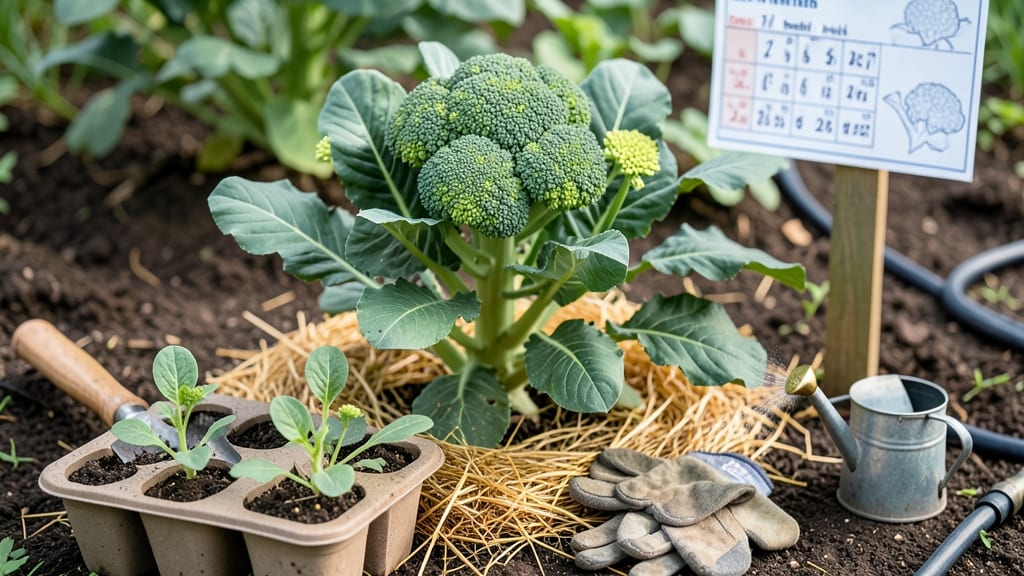
Planting a fall garden in Zone 7 between August and early October lets you beat the frost while harvesting crisp greens and sweet roots before winter.
Timing your fall garden correctly in Zone 7 can mean the difference between a bountiful harvest and wasted effort—especially when you only have a narrow window before the first frost.
Many gardeners skip fall planting because they assume it’s too late, but cool-season crops like kale, spinach, and carrots actually thrive in the crisp air. The key is starting 4-6 weeks before frost so plants mature before temperatures drop.
Below, I’ll break down the exact weeks to plant by crop type, how to extend your season with row covers, and the fast-growing varieties that deliver harvests in just 30-60 days.
Fall planting timeline in Zone 7: exact weeks before first frost for fast-growing crops
In Zone 7, where the average first frost arrives between October 15-30, timing your fall garden is all about working backward from that date. Fast-growing crops like leafy greens and root vegetables need 30-60 days to mature, while heartier brassicas can handle 80-120 days of cool weather.
Missing this window means either harvesting too late or waiting too long for a fall crop.
For northern Zone 7 (7a), where frosts arrive earlier, start planting leafy greens like spinach and lettuce as early as late July—they’ll mature in 30-45 days before cold sets in.
In southern Zone 7 (7b), you’ve got a bit more flexibility, with August being a safer starting point for quick harvests.
Here’s the key: Plant fast crops 4-6 weeks before frost and slower ones 8-12 weeks out. For example, radishes (ready in 25 days) can go in late August, while kale (ready in 60 days) needs to be sown by mid-August in northern areas.
| Crop Type | Days to Maturity | Planting Window (Northern Zone 7) | Planting Window (Southern Zone 7) | Frost Tolerance |
|---|---|---|---|---|
| Leafy Greens (Spinach, Lettuce, Kale) | 30-60 | Late July - Mid-August | Early August - Late August | Light to Moderate |
| Root Vegetables (Carrots, Radishes, Beets) | 30-50 | Late July - Early September | Early August - Mid-September | Moderate |
| Brassicas (Broccoli, Cabbage, Brussels Sprouts) | 60-120 | Mid-August - Early September | Late August - Mid-September | High |
| Herbs (Cilantro, Parsley, Dill) | 30-50 | Late July - Early September | Early August - Late September | Light |
| Flowers (Pansies, Snapdragons) | 45-60 | Late August - Early September | Early September - Mid-September | Moderate |
If you’re in northern Zone 7, prioritize early August for fastest-maturing crops like radishes and bush beans. These can be harvested in as little as 25-30 days, giving you a quick reward before cooler temps slow growth.
Meanwhile, broccoli and cabbage planted in late August will be ready by late October, just as frost threatens.
For southern Zone 7, you’ve got a little more breathing room. September can still yield harvests of kale and carrots if sown by mid-month. The trick here is to succession plant every 2 weeks to stagger harvests and avoid gluts.
For example, sow spinach on August 15, August 30, and September 15 for continuous harvests.
Don’t overlook soil temperature—most cool-season crops need soil temps between 45-75°F to germinate. Test your soil with a soil thermometer before planting. If it’s still above 80°F, wait a week or two for cooler conditions, especially for leafy greens, which bolt quickly in heat.
Protect your fall garden with row covers or cold frames to extend harvests by 2-4 weeks. Even a lightweight frost cloth can shield tender spinach or lettuce from light frosts (28-32°F).
For hardier crops like kale and brussels sprouts, a heavy frost (below 25°F) will damage them, so plan to harvest before then.
One of my biggest mistakes was planting slow-maturing crops like cabbage too late in Zone 7. It took 100 days to mature, but my first frost
Best fall vegetables for Zone 7: fast-growing varieties that thrive in cool weather
Fall gardening in Zone 7 lets you enjoy crisp, flavorful harvests when summer heat fades. The key is selecting fast-growing varieties that tolerate cooler temperatures and light frosts.
These crops thrive when planted 4-8 weeks before your first frost date (typically mid-October in Zone 7), giving them time to mature before winter sets in.
My top picks for a productive fall garden include leafy greens like kale and spinach, which sweetened by frost, plus root vegetables such as carrots and beets that grow well in cooler soil.
Don't forget cold-hardy herbs and flowers like parsley and pansies to extend your harvest season even longer.
✨ Top 5 Fast-Growing Fall Crops for Zone 7
- 1. Radishes - 25-30 days to harvest; plant 8-10 weeks before frost for quick greens.
- 2. Spinach - 30-45 days to maturity; sow 6-8 weeks before first frost.
- 3. Kale - 50-60 days to harvest; plant 4-6 weeks before frost for frost-sweetened leaves.
- 4. Carrots - 60-70 days to maturity; direct sow 8-10 weeks before frost.
- 5. Beets - 50-60 days to harvest; plant 6-8 weeks before frost for tender roots.
🌱 Pro Tip: Succession plant radishes and spinach every 2 weeks for continuous harvests.
For herbs and flowers, consider parsley and cilantro, which thrive in cool weather and can be harvested until hard frosts. Pansies and snapdragons add color to your garden while withstanding light frosts, making them perfect for fall borders.
These plants can be started 6-8 weeks before frost for vibrant fall displays.
When selecting varieties, always check the days to maturity on seed packets to ensure they'll reach harvest before your average first frost date. For example, 'Early Wonder' radishes mature in just 25 days, while 'Winterbor' kale can handle light frosts and even improve in flavor after a frost.
To maximize your fall harvest, focus on soil preparation—amend with compost before planting to provide nutrients for fast growth. Mulch around plants with straw or leaves to retain moisture and protect roots from temperature swings.
With the right varieties and care, your Zone 7 fall garden can be just as productive as your spring or summer plantings.
Don't forget to harvest regularly to encourage continuous production. Many fall crops, like spinach and kale, taste sweeter after a light frost, so plan to harvest just before or after the first frost for the best flavor.
With these fast-growing varieties, you'll enjoy fresh produce straight from your garden well into winter.