
Planting
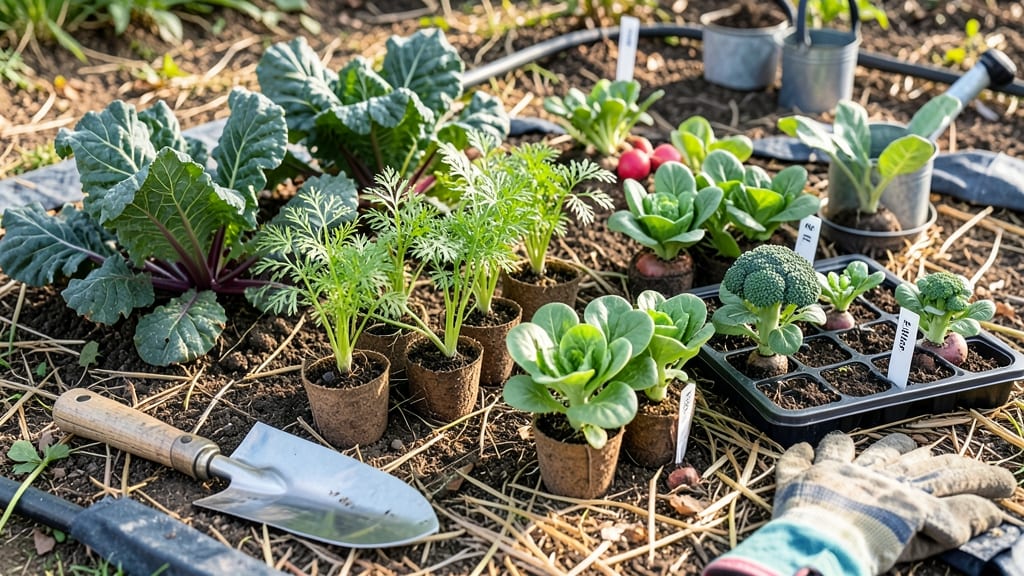
To plant a fall garden in Missouri, aim for mid-August to mid-September — the 6-week window before the first frost that transforms your harvest into a science experiment.
Missouri gardeners know timing is everything—plant too early, and frost will ruin your harvest; too late, and your plants won’t thrive. But with the right deadlines, you can grow a thriving fall garden even in Missouri’s unpredictable climate.
This isn’t just about avoiding frost; it’s about giving your 🌽 fall vegetables enough time to mature before the ground freezes. Whether you’re growing leafy greens, root crops, or hardy herbs, the key is starting at the right moment—so you’re not left with bolted lettuce or stunted carrots.
Below, I’ll break down the exact planting windows for Missouri’s 5b-6b zones, the best crops for your region, and how to stretch your harvest with simple tricks like row covers. No more guessing—just a foolproof plan for a bountiful fall garden.
Missouri’s fall planting deadlines by hardiness Zone (5a-7a)
Missouri’s fall planting season is a race against time—literally. The first frost typically arrives between October 15-30, depending on your hardiness zone, so timing your plantings is critical.
In Zone 5a (northern Missouri), you have about 4-6 weeks before frost, while Zone 7a (southern Missouri) gets an extra 2-3 weeks of growing time. The key is planting cool-season crops early enough to mature but not so early that they bolt or succumb to pests.
For St. Louis (Zone 6b/7a), the last planting window for most fall crops closes around September 20-25. Meanwhile, Kansas City (Zone 5b/6a) gardeners should finish planting by September 10-15, and Columbia (Zone 6a/6b) has a slightly later cutoff around September 15-20.
These deadlines ensure your leafy greens and root vegetables reach maturity before frost, while herbs like cilantro and flowers like pansies can handle a light frost.
Missouri’s fall planting deadlines hinge on two factors: average first frost dates and crop maturity times.
For example, bush beans need 50-60 days to mature, so they must be planted by mid-August in Zone 5a. Meanwhile, kale and spinach, which tolerate frost, can be sown as late as September 10-15 in all zones.
Below, I’ve broken down the exact last planting dates for Missouri’s most popular fall crops by zone, plus regional adjustments for major cities.
Missouri’s fall frost dates can vary by 5-7 days from year to year, so always check the National Weather Service or your local Cooperative Extension Service for updates.
For example, in 2022, northern Missouri saw frost as early as October 5, while southern areas held off until November 2. To account for this variability, I recommend planting fast-maturing varieties (like bush beans or radishes
Best fall crops for Missouri gardens and their ideal planting windows
Missouri’s fall garden offers a second chance for harvests when summer heat fades. The key is selecting frost-resistant crops and planting them at the right time.
Cool-season vegetables thrive in Missouri’s 5a-7a zones, but timing varies by region—St. Louis’s 6a climate allows later plantings than northern areas like Kirksville (5b).
Start with fast-maturing varieties like bush beans and turnips, which tolerate light frosts. For herbs, cilantro and parsley flourish in fall’s cooler air, while pansies and calendulas add color until winter.
The secret? Plant 4-6 weeks before your first frost date—typically late August to mid-September—to ensure harvests before hard freezes.
🌱 Missouri Fall Planting Timeline
- 📅 Late July – Start cool-season seeds indoors (e.g., kale, spinach).
- 📅 Mid-August – Transplant broccoli and cabbage seedlings.
- 📅 Early September – Direct-sow radishes and lettuce for quick harvests.
- 📅 Late September – Plant garlic and onion sets for spring harvest.
- 📅 October – Extend season with row covers for spinach and kale.
Spacing matters just as much as timing. Leafy greens like spinach and arugula need 6-12 inches apart to prevent overcrowding, while root crops such as carrots and beets require 2-3 inches of space.
For herbs, cilantro thrives in 12-inch rows, but parsley can sprawl up to 18 inches if given room.
Missouri’s fall garden also shines with flowers like pansies, which bloom until 20°F and add vibrant colors to beds. Pair them with calendulas, which repel pests naturally. For vegetables, broccoli and cauliflower love full sun but tolerate partial shade in fall’s shorter days.
Always amend soil with compost before planting—fall crops need fertile, well-draining soil to thrive.
Don’t overlook herbs for fall harvests. Dill and chives grow quickly in cool weather, while thyme and oregano become more flavorful after a frost. Mulch with straw to protect roots from temperature swings, and water deeply in the morning to prevent fungal diseases.
With these frost-resistant picks, your Missouri fall garden will reward you with harvests long after summer’s end.
Pro tip: Save seeds from your best fall vegetables for next year’s garden. Radishes and lettuce produce viable seeds if left to bolt, giving you free plants for future seasons. Happy planting! 🌿