
Plants
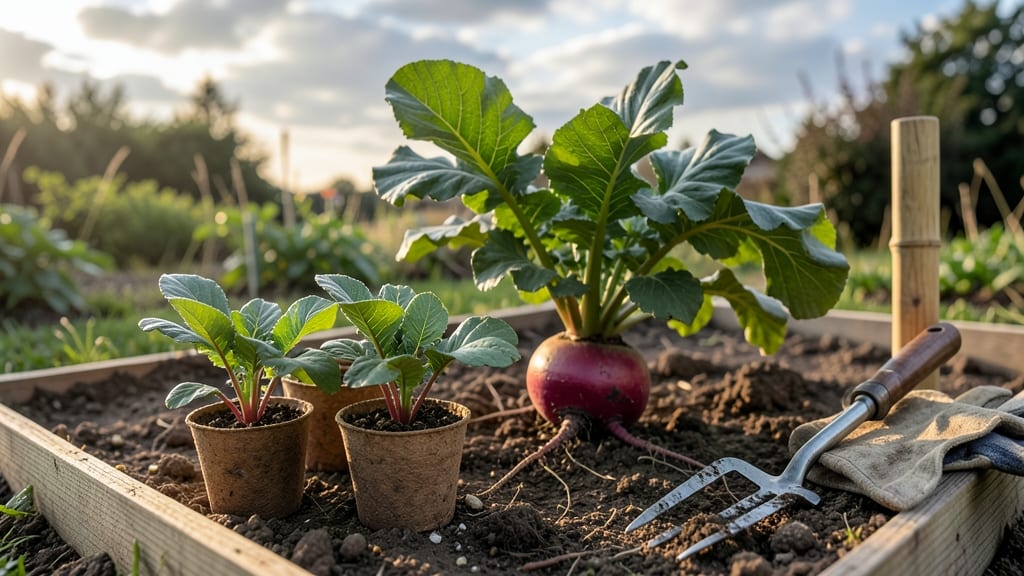
Planting beets in Kentucky at the right time ensures fast germination and a harvest of sweet, tender 🍠 roots—aim for soil temperatures above 50°F to avoid the waiting game.
If you’ve ever stared at a seed packet wondering why your beets took three weeks to sprout, you’re not alone. Kentucky’s spring soil can be a slow warm-up, and planting too early means cold, hard soil that stalls germination.
But with a few tricks—like testing soil warmth and adjusting planting depth—you can shave days off that wait.
Beets thrive in Kentucky’s spring and fall, with ideal windows running from mid-March to late April and again from mid-August to late September. The key is planting when the ground stays consistently warm, not just when the calendar says "spring."
Cold soil? Your seeds will sulk. Too late? Heat stress sets in, and your harvest shrinks.
Below, I’ll break down the exact soil temperature thresholds, how to test your garden bed, and when to stretch your season with succession planting—so you can go from seed to harvest in record time.
Best planting times for beets in Kentucky by season
Kentucky’s USDA Zone 6a climate offers two prime windows for growing beets: spring and fall. The key is planting when soil temperatures hit 45-55°F for reliable germination.
In my experience, March 15 to April 30 and August 15 to September 30 deliver the sweetest results, avoiding both late frosts and summer heat stress.
Beets are surprisingly cold-hardy—they can survive light frosts down to 25°F—but they won’t germinate in cold, wet soil. That’s why timing matters more than most gardeners realize. For example, planting too early in February often leads to rot, while waiting until May risks bolting before harvest.
Here’s the golden rule: Aim for 4-6 weeks before your last spring frost (typically April 15 in Kentucky) and 8-10 weeks before your first fall frost (around October 15). This gives beets enough time to mature before temperatures swing extremes.
For container gardening, adjust your timeline slightly. Pots warm up faster than garden beds, so you can start 2-3 weeks earlier in spring and 1 week later in fall. Just ensure containers have drainage holes—beets hate soggy roots!
Microclimates play a big role in Kentucky. If you’re in western KY (warmer), you might push spring planting to May 1 without bolting risks. In eastern KY (cooler), stick to March 1–April 15 for safety. Always check your local frost dates—they can vary by 1-2 weeks yearly.
Succession planting works wonders for beets. Sow seeds every 2 weeks from March to July to enjoy a steady harvest. I’ve found that Detroit Dark Red and Golden Beets handle Kentucky’s heat better than others, staying tender longer.
Watch for bolt-resistant varieties like ‘Burpee’s Golden’ if you’re planting in late summer. Long daylight hours trigger bolting, and Kentucky’s June–July days are brutal for beets. Plant these varieties after July 15 to avoid bitterness.
Even in winter, you can grow beets! Sow seeds in October under heavy mulch (like straw or leaves) and harvest in late winter. They’ll taste sweeter after frost, too—just protect them from freezing temps with row covers.
Remember: Thin seedlings to 3-4 inches apart when they’re 2 inches tall. Crowding leads to small, misshapen roots. And always harvest before greens get tough—June–July and October–November are peak times for Kentucky gardeners!
Soil temperature secrets for fast beet germination
Kentucky’s spring and fall temperatures can be a double-edged sword for beet growers. While beets thrive in 50–85°F soil, cold snaps or slow warming can leave your seeds sitting pretty without sprouting. The key?
Monitoring soil warmth and making smart adjustments before you even drop those seeds in the ground. I’ve learned that waiting for the right temperature saves time and frustration—no one wants to replant!
Start by checking your soil’s warmth with a simple soil thermometer ($10 at any garden center). Beets need soil temps of at least 50°F (10°C) to germinate consistently. In Kentucky, this usually aligns with mid-April for spring plantings and late August for fall.
But don’t guess—test! Dig your thermometer 2 inches deep (where seeds will sit) and wait for steady readings above that threshold before sowing.
If your soil is still chilly when you’re eager to plant, try a few tricks to warm it up faster. Lay down a layer of black plastic mulch 1–2 weeks before planting—it absorbs sunlight and raises soil temps by 5–10°F.
For raised beds, mix in compost or well-rotted manure to boost warmth naturally. I’ve even used old cardboard covered with straw to create a mini greenhouse effect in early spring.
Planting depth matters too! In cooler soil, sow seeds ½ inch deep but no deeper. Deeper planting can delay germination because the soil stays colder. Once sprouts appear (usually in 7–14 days at optimal temps), thin seedlings to 3–4 inches apart to give roots room to swell.
Pro tip: Use a seedling protector (like a mini cloche) over newly planted seeds if nighttime temps dip below 45°F.
Cold-soil struggles often stem from moisture management. Overwatering cold soil can suffocate seeds, while underwatering lets it dry out too quickly. Keep soil consistently moist but not soggy—think of a damp sponge.
If germination stalls after 2 weeks, the soil might be too cold or dry. Try covering the area with a lightweight row cover to trap heat and retain moisture without smothering the seeds.
Remember, beets are cold-hardy once established, but germination is their Achilles’ heel. By mastering soil temperature, you’ll go from waiting weeks for sprouts to seeing tiny green leaves in just 7–10 days. Next time you’re tempted to plant early, grab that thermometer first—your future beet harvest will thank you!