
Companion Plants
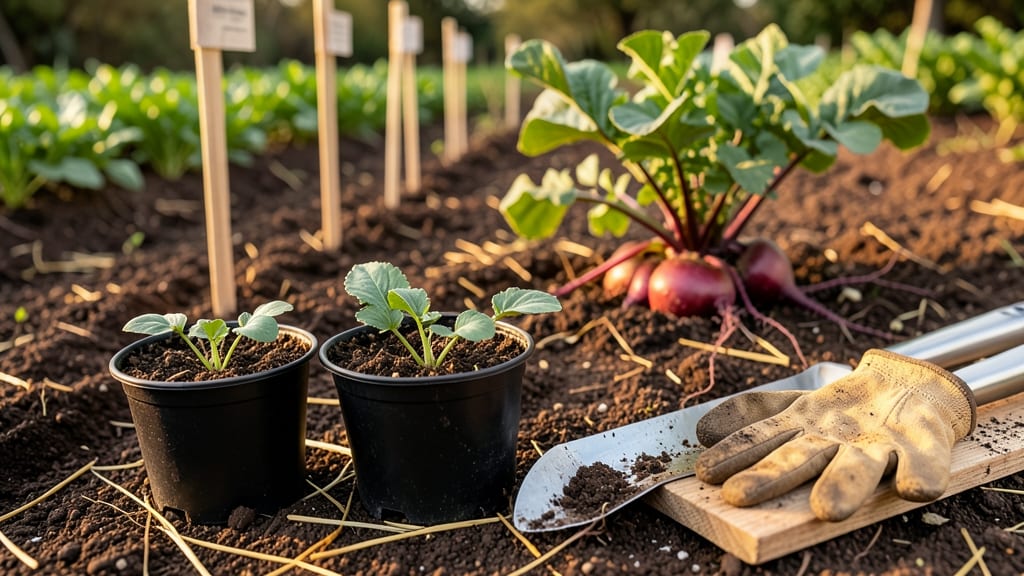
Planting beets in Maine requires knowing the exact timing to avoid frost damage or missed harvests, since the window between last frost and summer heat is tight.
Maine’s unpredictable frost dates can turn beet gardening into a high-stakes guessing game—plant too early, and your seedlings freeze; too late, and you miss the sweetest harvest window. But timing your beets just right ensures tender, flavorful roots all season long.
For Zone 5b-6b gardeners, the best time to plant 🍠 is early spring (March-April) or late summer (July-August), aligning with soil temperatures and frost-free dates. Whether you’re aiming for June-July harvests or a fall crop, the key is starting seeds when the ground thaws but before the heat arrives.
In this guide, I’ll walk you through Maine’s frost-free timeline, succession planting tricks, and how to stretch your harvest from June through October—no more guessing, just reliable, delicious beets every time.
Maine’s ideal beet planting windows: frost dates by region
Maine’s USDA zones 3-5 create unique challenges for beet growers, where last frost dates can shift by weeks between coastal and northern regions. Unlike heat-loving crops, beets thrive in cool soil and tolerate light frosts—making early spring planting possible if you time it right.
The key is aligning your variety choice with local frost-free windows to avoid bolting or stunted growth.
For Portland (Zone 5b), the average last frost date falls around May 10-15, while inland areas like Bangor (Zone 5a) typically see frost until May 20-25. Northern Maine’s Presque Isle (Zone 3b)June 5.
These regional differences mean your beet planting strategy should adjust based on whether you’re growing early varieties like 'Early Wonder' or longer-season types such as 'Detroit Dark Red'.
Cold-hardy beets can handle light frosts down to 25°F, but seedlings struggle below 40°F. This means early spring sowings (March-April) work best in Zone 5b areas, while Zone 3-4 gardeners should wait until late April to early May. The trade-off? Earlier plantings yield sweeter, smaller roots before summer heat sets in.
While spring planting dominates, Maine gardeners can also squeeze in a late-summer crop for fall harvests.
Sow 60-70 days before first frost (typically July 15-August 10 in southern Maine, August 1 in northern zones) to avoid bolting. Golden varieties like 'Golden Beet' mature faster (50 days) and work better for this window than heirloom types, which need 60+ days.
Soil temperature matters just as much as air temperature. Beets germinate best in soil above 45°F, which in Maine usually means waiting until mid-April in Zone 5b or late April in Zone 5a.
Use a soil thermometer to confirm—cold, wet soil delays germination and invites damping-off disease. In Zone 3-4, consider starter kits or greenhouse sowing in March to jumpstart growth.
Don’t overlook succession planting—this is how Maine gardeners extend harvests. After your first planting, sow new seeds every 2-3 weeks until June 15 (Zone 5b) or July 1 (Zone 5a). This ensures a continuous supply of baby beets (harvest at 1-2 inches) and mature roots (2-3 inches) throughout summer.
For northern Maine, limit to 2-3 plantings to avoid overcrowding before frost.
Protect young seedlings with frost cloth if nighttime temps dip below 40°
How to stretch your beet harvest: successive planting strategies for Maine gardens
To maximize your beet harvest in Maine’s short growing season, I’ve perfected a three-phase planting schedule that keeps roots coming from June through October. The trick lies in staggered sowings—planting seeds every 2-3 weeks after your first batch.
This ensures you always have fresh, tender beets while avoiding the bolting that happens when days get too long.
For Maine’s Zone 5b-6b climate, I recommend starting with cold-hardy varieties like 'Detroit Dark Red' or 'Golden' in early spring. These varieties handle Maine’s unpredictable frost dates better than heat-sensitive types.
The key is to time your replantings so that each new batch matures just as the previous one reaches harvest size.
📌 Numbered Highlights: Maine Beet Planting Timeline
- Phase 1 (Early Spring): Sow seeds 4-6 weeks before last frost (typically late March-April). Use row covers if nights dip below 30°F.
- Phase 2 (Late Spring): Make weekly sowings every 2-3 weeks until mid-June. This ensures continuous harvests through summer.
- Phase 3 (Late Summer): Plant a final succession batch in July for a fall harvest before frost. Choose bolting-resistant varieties like 'Chioggia'.
- Cold Protection: Extend harvests into October by using cold frames or low tunnels to delay frost damage.
- Harvest Window: Aim for 50-60 days to maturity per batch. Adjust spacing to 3-4 inches apart for larger roots.
I’ve found that Detroit Dark Red thrives in Maine’s climate because it matures quickly (50 days) and stores well. For a sweet, golden harvest, try 'Golden', which is less prone to cracking in rocky Maine soil.
Both varieties benefit from thin seedlings to 3 inches apart—this prevents competition and encourages larger roots.
One of my favorite tricks is to interplant beets with radishes. The radishes mature in 30 days, giving you an early harvest while the beets fill in the space.
This dual-cropping strategy maximizes your garden bed’s productivity, especially in Maine’s limited growing season. Just be sure to harvest the radishes before they bolt—otherwise, they’ll steal nutrients from your beets.
For the fall harvest, I always plant a final batch in early July. By using a row cover or cold frame, I can push the harvest into late October, sometimes even later if we get a mild autumn.
The secret is to harden off seedlings before transplanting and to mulch heavily to retain soil warmth. This extra layer of protection makes all the difference in Maine’s chilly climate.
Remember, beets are perfect for succession planting because they tolerate cool weather and don’t mind being harvested in stages. With this strategy, you’ll enjoy fresh, homegrown beets for nearly half the year—no more rushing to the grocery store for sad, wilted roots! 🌱