
Plants
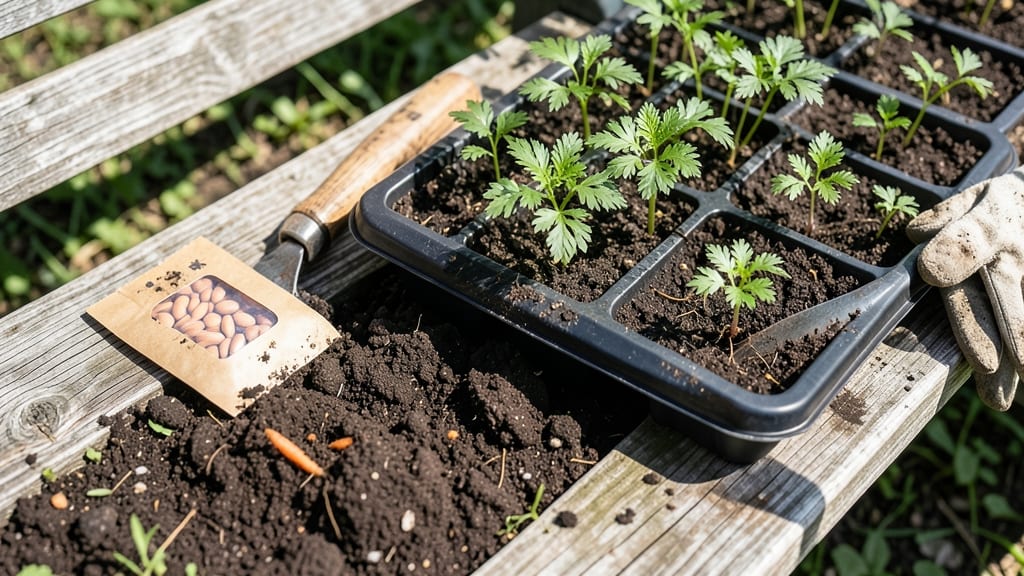
To plant carrots in Zone 7A, aim for early spring (February–March) or late summer (July–August) when soil temperatures stay between 50°F and 85°F—any hotter, and your roots turn woody.
I’ve seen gardeners in 7A rush their spring planting, only to watch frost nibble the seedlings back. Or worse, they wait until May, and the summer heat robs them of sweetness.
The secret? Timing matters more than soil prep, and a two-week window can mean the difference between crisp harvests and frustration.
Zone 7A’s mild winters and long growing season give you two clear chances: sow in February for spring harvests (April–June) or July for fall storage (September–October). Both windows avoid the extremes—frost in early spring and scorching heat in mid-summer—that ruin carrot flavor and shape.
Below, I’ll break down the exact frost-free dates for your area, how to adjust for rocky soil or clay, and the top 3 varieties that stay crisp even in 7A’s occasional heat spikes. Ready to grow carrots that taste like summer?
Best planting times for carrots in zone 7A: spring and fall guidelines
In Zone 7A, timing is everything for growing sweet, crisp carrots. The last frost date (around March 15) and first frost date (around November 15) create two perfect windows for planting: early spring and late summer.
Miss these windows, and you risk frost damage or woody roots from summer heat.
Carrots thrive in cool soil temperatures between 50°F and 75°F. Planting too early in cold soil (below 50°F) slows germination, while planting too late in hot soil (above 80°F) causes bolting.
Zone 7A’s 180 frost-free days give us just enough time to grow two full harvests if we plan carefully.
| Planting Window | Ideal Months | Soil Temp | Days to Harvest | Key Tips |
|---|---|---|---|---|
| Early Spring | February - March | 50°F - 65°F | 70 - 85 days | Use row covers for frost protection; sow 2-3 weeks before last frost. |
| Late Summer | July - August | 60°F - 75°F | 60 - 70 days | Choose heat-tolerant varieties; harvest before soil temps drop below 50°F. |
| Fall (Extension) | September | 55°F - 70°F | 60 - 75 days | Use black plastic mulch to warm soil; protect with cold frames if frost threatens. |
For spring planting, start seeds indoors 4-6 weeks before your last frost date (around February 1-15 in Zone 7A). Transplant seedlings outdoors after soil warms to 50°F, or direct-sow seeds 2-3 weeks before the last frost.
Use black plastic mulch to warm the soil faster and prevent bolt-resistant varieties from flowering early.
If you miss spring, don’t worry—late summer planting (around July 1-15) gives you a second chance. Choose fast-maturing varieties like 'Paris Market' or 'Little Finger' to harvest before fall frosts. Aim to plant when soil temps drop below 80°F to avoid bolting and woody roots.
Zone 7A gardeners can also try a fall extension by sowing seeds in late August or early September. Use row covers or cold frames to protect young plants from early frosts. This method works best with short-day varieties that mature quickly before temperatures drop.
Pro tip: Succession planting every 2 weeks in spring and fall ensures a continuous harvest. Thin seedlings to 2-3 inches apart to prevent overcrowding, which leads to forked or stunted roots. Keep soil consistently moist (but not soggy) to encourage straight, sweet growth.
Watch for carrot fly pests during warm months. Use floating row covers or interplant with onions or leeks to deter them. In Zone 7A’s humid summers, avoid overhead watering to prevent leaf diseases like Alternaria blight.
Harvest carrots when tops reach 3-4 inches tall and roots are 1/2 to 1 inch thick. For storage, pull roots before first frost (around November 15) and cure them in a cool, dark place for 1-2 weeks before storing in the fridge.
With these Zone 7A-specific timing tips, you’ll enjoy crisp, homegrown carrots from spring through fall—no frost or heat stress in sight! 🥕
How to adjust carrot planting for zone 7A’s microclimates and soil conditions
Zone 7A’s varied soil types—from heavy clay to sandy loam—can make or break your carrot harvest. The key is adapting your approach to match your garden’s unique challenges.
Rocky soil? Try container growing instead. Compacted clay? Amend with organic matter before planting. Even sandy soils need special attention to retain moisture for tender roots.
Microclimates in Zone 7A also play a role. A south-facing bed warms faster than a north-facing one, while low spots may stay cooler longer. Use these natural variations to your advantage by planting heat-sensitive varieties in cooler microclimates and heat-tolerant types where summer sun lingers.
⚠️ WARNING: Common Mistake in Zone 7A Gardens
For rocky soil, consider growing short varieties like 'Paris Market' (2-4 inches) in containers filled with sandy loam mix. If you must plant in-ground, remove all rocks larger than ½-inch—carrot roots will split against them.
Use a hand trowel to create deep furrows where seeds can grow undisturbed.
In heavy clay, improve drainage by mixing in compost and coarse sand (50/50 ratio) to the top 12 inches of soil. Test your soil’s drainage by digging a hole, filling it with water, and timing how long it takes to drain.
If it’s slower than 4 hours, amend further. Clay holds moisture but suffocates roots—aim for well-aerated soil with a crumbly texture.
Extend your growing season in Zone 7A with row covers or succession planting. Use lightweight floating row covers to protect spring plantings from late frosts (after March 15) and shield fall crops from early chills (before November 15).
For succession planting, sow every 2 weeks from late February through early August to ensure a continuous harvest.
Finally, mulch with straw or shredded leaves to regulate soil temperature and retain moisture. In sandy soils, mulch also slows water evaporation, while in clay, it prevents crusting.
Adjust your watering schedule based on your soil type—sandy soils dry out faster and need more frequent, shallow watering, while clay holds moisture longer but risks waterlogging.