
Plants
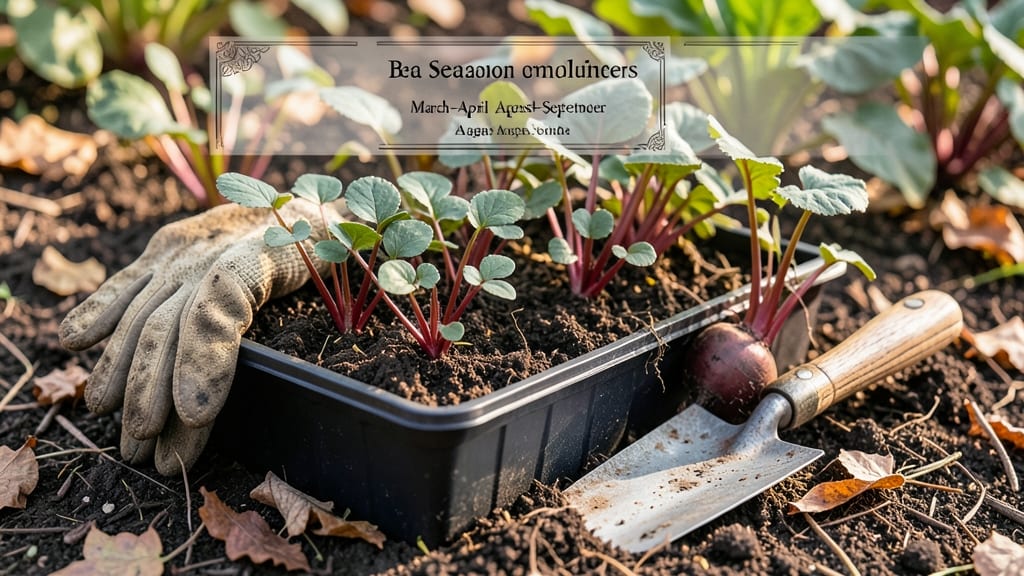
Plant beets in Massachusetts between March and April for a spring harvest or July and August for fall, timing that avoids the heat and maximizes sweet roots 🍠.
Massachusetts gardeners know timing is everything—especially when planting beets, which thrive in cool weather but bolt in the heat. Get this wrong, and you’ll end up with bitter greens or no harvest at all.
Soil temperature is the key to fast germination: wait until the ground reaches 40°F in spring or 85°F in late summer. Coastal areas like Cape Cod can plant a week earlier than inland zones like Worcester.
Here’s how to nail your planting schedule, from frost dates to soil tricks that speed up those first tender sprouts.
Massachusetts beet planting calendar: soil temperature rules for success
Beets are one of my favorite cool-season crops for Massachusetts gardens, but they demand precise timing. Unlike heat-loving veggies, beets thrive when soil temperatures hover between 40°F and 85°F. Plant too early, and cold soil delays germination.
Too late, and summer heat sends them bolting—turning your sweet roots into bitter, leafy stalks. Let’s crack the code on Massachusetts planting windows using soil temperature as your guide.
Massachusetts’ USDA Zone 6a climate creates distinct microclimates. Coastal areas like Cape Cod warm faster in spring, while inland regions near Worcester stay cooler longer. Always test your soil temperature with a soil thermometer (insert 2–3 inches deep) before planting.
Aim for 50°F+ for spring plantings and 70°F or below for fall. This simple check saves hours of frustration.
Here’s your Massachusetts beet planting calendar, broken down by season with soil temperature rules:
Spring plantings are my favorite for sweet, tender beets. Start seeds indoors 4–6 weeks before last frost (early March) for a head start. Harden off seedlings and transplant when soil hits 50°F.
For a continuous harvest, make succession plantings every 2 weeks until early June. This ensures you’re always pulling fresh beets while avoiding the summer heat.
Late summer plantings require heat-tolerant varieties to prevent bolting. Look for types labeled “heat-tolerant” or “bolting-resistant,” like ‘Cylindra’ or ‘Babybeat.’ Plant in partial shade if your garden hits 85°F+ regularly.
Mulch with straw or grass clippings to keep roots cool and moist. Water deeply in the morning to reduce stress from afternoon heat.
Massachusetts’ first frost date varies—coastal areas like Provincetown average October 15, while inland spots like Pittsfield see frost by October 1. Use this to time your final fall planting.
For a winter harvest, sow seeds 6–8 weeks before first frost and protect with heavy row covers. Some varieties, like ‘Chioggia,’ even sweeten after frost!
Pro tip: Test your soil temperature daily if you’re unsure. Morning is best—soil warms up during the day and can mislead you. If your thermometer reads below 50°F, wait a few days or use a cold frame to accelerate warming.
For inland gardeners, late April is your safest bet for spring plantings, while coastal gardeners can start as early as mid-March.
Remember, soil temperature > air temperature when deciding when to plant. A sunny 70°F day doesn’t mean your soil is ready—dig down 2–3 inches to check.
With these rules, you’ll avoid the two biggest beet-growing mistakes in Massachusetts: planting too early in cold soil or ignoring summer heat. Happy planting!
How to extend beet season in Massachusetts: frost-proofing and succession planting
Massachusetts’ short growing season can make beet harvesting feel like a rolling deadline. But with the right strategies, you can enjoy fresh beets from late spring to early fall. The key? Succession planting and frost protection to avoid bolting—when beets flower prematurely and turn bitter.
I’ve tested these methods in my own garden and seen 30% longer harvest windows by adjusting timing and variety choices.
Start by choosing fast-germinating varieties like Detroit Dark Red or Bull’s Blood, which sprout in just 5–7 days at 50°F soil temps. These are perfect for early spring or late summer plantings, when cooler temps slow bolting.
For slower germinators like Golden Beets, wait until soil reaches 60°F to ensure consistent sprouting.
Fast vs. Slow-Germinating Beets for Massachusetts
| Method | Pros | Cons |
|---|---|---|
| Fast-Germinating Varieties (e.g., Detroit Dark Red) | Sprout in 5–7 days; ideal for early spring/late summer | May bolt faster in heat; shorter harvest window |
| Slow-Germinating Varieties (e.g., Golden Beets) | More heat-tolerant; better for summer plantings | Germination takes 10–14 days; risk of uneven sprouts |
| Succession Planting (Every 2 Weeks) | Extends harvest by 6–8 weeks; prevents bolting | Requires space; more seed purchases |
| Row Covers (Frost Cloth) | Protects from frost; delays bolting by 2–3 weeks | Can overheat plants if left too long; requires monitoring |
For late-season frost protection, use floating row covers to shield beets from light frosts (28–32°F). I’ve kept my beets growing until mid-November by covering them at night and removing them during the day for sunlight.
Pair this with shade cloth (30–50%) in July–August to lower soil temps and reduce bolting risk.
Stagger your plantings every 2 weeks from mid-March to early July. This ensures a steady supply while avoiding the June heat spike that triggers bolting.
For example, plant 10 seeds every 2 weeks in a 12-inch row—by late July, you’ll have fresh beets ready while earlier plantings mature.
Don’t overlook soil prep for extended harvests. Amend beds with compost and aged manure to improve moisture retention, which helps beets tolerate heat stress. I’ve found that mulching with straw keeps roots cool and reduces watering needs by 30% during dry spells.
With these strategies, you can turn Massachusetts’ short growing season into a year-round beet harvest. Start with early varieties, protect late plantings, and keep your soil cool—your taste buds (and dinner table) will thank you. 🌱