
Plants
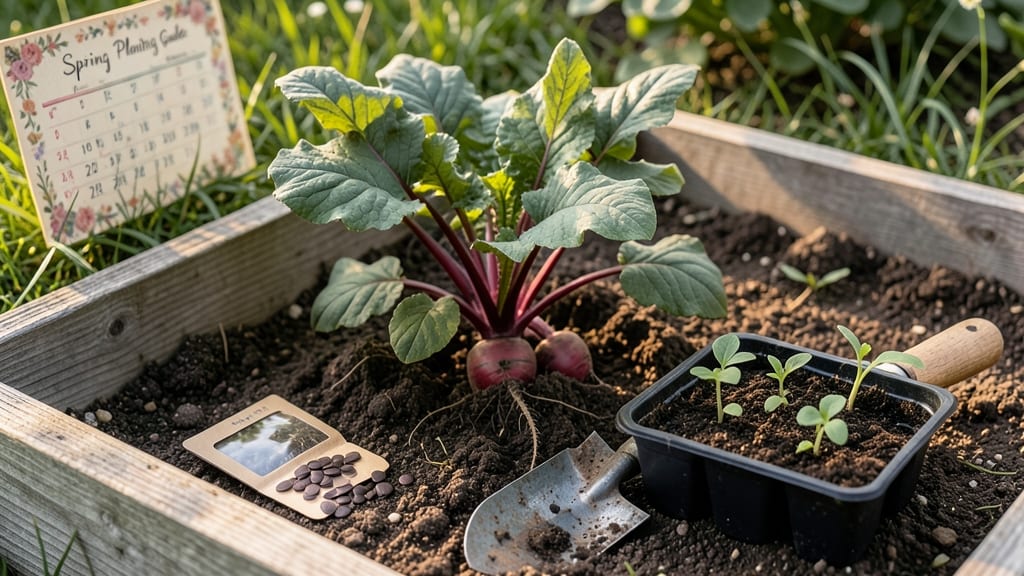
Planting beets in North Carolina at the right time ensures tender, flavorful roots instead of tough, woody ones — and the window is narrower than you might think.
Timing your beet harvest in North Carolina can mean the difference between sweet, tender roots and tough, woody vegetables—especially in USDA Zones 7a and 7b where frost dates shift unpredictably.
One week too early, and a late frost will wipe out your seedlings; one week too late, and summer heat sends them bolting before you even harvest.
Most gardeners in the Tar Heel State plant beets in early spring (March–April) or late summer (August–September), but the exact dates depend on your microclimate.
Coastal areas like Wilmington can start two weeks earlier than the Piedmont, while mountain regions in Zone 6a should wait until after mid-March to avoid frost.
Below, I’ll break down the frost-free deadlines for your zone, how to extend your harvest with succession planting, and the one trick that keeps beets sweet even in North Carolina’s hot July heat.
North Carolina beet planting calendar: exact dates for USDA Zones 7a and 7b
North Carolina's USDA Zones 7a and 7b offer two prime windows for growing sweet, tender beets, but getting the timing right is everything. Plant too early, and frost will damage young seedlings.
Wait too long, and summer heat can make roots woody. The key is understanding your last-frost dates and soil temperature thresholds—both of which vary slightly between the two zones.
In Zone 7a, the average last-frost date falls around March 15, while Zone 7b typically sees its last frost by March 1. These dates create a 6-week window where you can safely sow beets in early spring, with soil temperatures warming to at least 50°F.
For fall plantings, aim for August 15–September 15, ensuring you harvest before the first frost in mid-November.
For spring plantings, I always start seeds indoors 4–6 weeks before the last frost date to give seedlings a head start. Harden them off for 7–10 days before transplanting, and choose a spot with full sun exposure (6+ hours daily).
Beets thrive in loamy soil with a pH between 6.0–7.0, so amend your beds with compost if needed.
In Zone 7b, where springs arrive earlier, you can push your planting window slightly earlier—even as early as late February if you use row covers to protect seedlings. However, avoid planting before March 1 unless you’re prepared to shield young plants from late frosts.
In Zone 7a, wait until March 15 to ensure safety, as cold snaps can linger longer in the Piedmont region.
Fall plantings require careful timing too. Sow seeds by mid-August to allow 60–70 days for maturity before frost. In Zone 7a, where nights cool faster, prioritize cold-hardy varieties like 'Detroit Dark Red' or 'Golden', which tolerate brief chills better than others.
Mulch heavily with straw or leaves to insulate roots and extend the harvest into late October.
One common mistake I see is planting beets in late spring (May–June), when summer heat is approaching. Beets bolt (go to seed) quickly in temperatures above 80°F, turning sweet roots bitter and tough.
If you miss the spring window, opt for shade cloth or drip irrigation to keep soil cool and moist during summer months.
To maximize your harvest, consider succession planting every 2–3 weeks during your zone’s ideal window. This ensures a steady supply of fresh
How to extend your beet harvest season in North Carolina
North Carolina's USDA Zones 7a/7b offer gardeners a unique opportunity to grow beets year-round with the right strategies. While traditional planting windows focus on spring and early fall, you can push your harvest into late fall and even winter with cold-hardy varieties and protective measures.
The key lies in succession planting and seasonal extensions that shield tender seedlings from unpredictable frosts.
My favorite trick? Planting cold-tolerant beet varieties like 'Detroit Dark Red' or 'Golden' in late summer and using row covers to protect young plants. These varieties can handle light frosts and even brief freezes, giving you a harvest window that lasts well into November and December.
With the right approach, you can enjoy fresh beets for nearly 10 months of the year!
🌱 5 Proven Strategies to Extend Your Beet Harvest
- Succession Planting: Sow seeds every 2-3 weeks from March to August for a continuous harvest. Start with early varieties like 'Babybeat' and transition to 'Chioggia' for late-season success.
- Cold-Hardy Varieties: Choose 'Red Ace' or 'Ruby Queen'—these tolerate 25°F and thrive in fall and winter with protection.
- Row Covers & Cloches: Use floating row covers to shield seedlings from light frosts (down to 20°F) and extend harvests into December.
- Mulching for Insulation: Apply straw or leaves around plants in late fall to insulate roots and prevent freeze damage during temperature swings.
- Winter Green Harvest: Focus on beet greens in winter—they’re more cold-resistant than roots and can be harvested until February with protection.
For fall planting, aim to sow seeds by mid-August in Zone 7a and early September in Zone 7b. This gives roots time to mature before first frost while avoiding the heat stress of late summer.
Use a soil thermometer to ensure temperatures stay above 50°F—beets won’t germinate well in cooler soil.
One of my biggest mistakes was underestimating microclimates in North Carolina. Coastal areas (like Zone 8a) can handle later plantings, while inland Piedmont regions freeze earlier. Always check your local frost dates and adjust planting times accordingly.
For example, Asheville (Zone 7a) might support a December harvest, while Raleigh (Zone 7b) could see an early November cutoff.
Don’t forget about container gardening—it’s a game-changer for extending seasons! Plant beets in pots and move them to a sunny porch or greenhouse when temperatures drop. This method lets you harvest greens year-round and roots until hard freezes.
Just ensure containers have drainage holes and use a lightweight potting mix to prevent waterlogging.
With these strategies, you’ll turn North Carolina’s variable climate into an advantage. Start with succession planting, protect young plants with row covers, and choose cold-hardy varieties to enjoy a longer, more abundant harvest. Happy gardening—and may your beet patch stay productive all season long! 🌱