
Plants
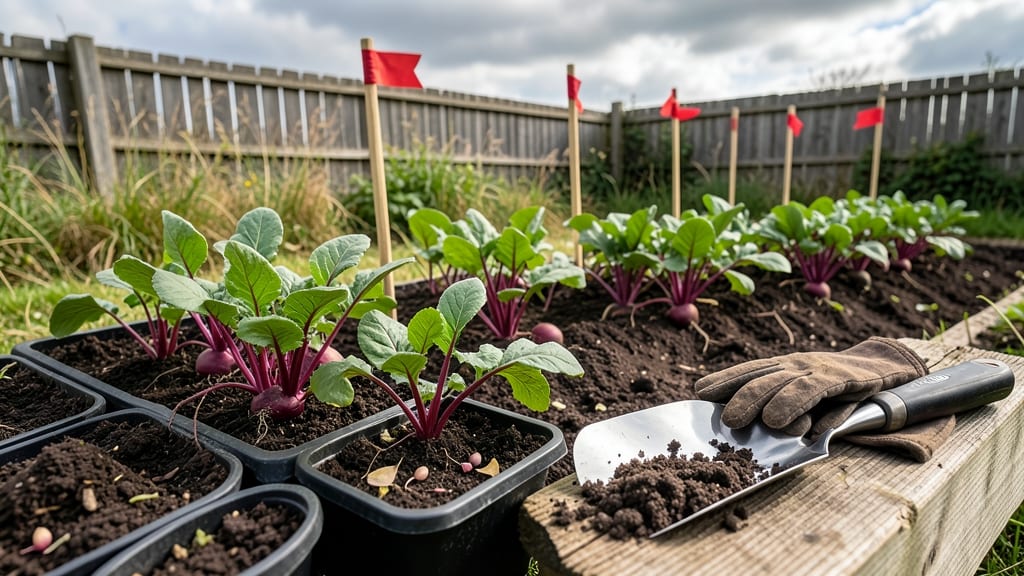
Planting beets in the fall means timing them 6 weeks before your first frost—a window that delivers sweeter, more tender roots than spring plantings.
Fall beets are a gardener’s secret weapon 🍠—sweeter, more tender, and packed with flavor when planted at the perfect time. But timing is everything: plant too early, and they’ll bolt; too late, and frost ruins your harvest.
In USDA Zone 6a, that means starting seeds in early August for a harvest in October and November. The key is cooler soil temperatures and shorter days, which slow growth and concentrate natural sugars.
Below, I’ll break down the exact planting schedule, how to adjust for your region, and the 3 biggest mistakes that turn a great harvest into a flop.
The exact 6-Week pre-frost planting window for fall beets
Timing your fall beet planting is the secret to harvesting sweet, tender roots before frost. The 6-week pre-frost window ensures beets mature just as temperatures drop, avoiding the bitter bolting of summer heat or the frost damage of winter.
This schedule works for USDA zones 3-10, but regional adjustments are key.
Start by calculating your average first frost date. Most gardeners in the northern U.S. (zones 3-6) see frost by mid-October, while southern zones (7-10) may wait until November or December.
Count backward 6 weeks from that date to pinpoint your ideal planting window. For example, if frost hits October 20th, plant between September 1st and 15th.
Soil temperature is just as critical as air temperature. Beets thrive when soil stays between 50°F and 75°F. If your summer heat lingers, wait until soil cools below 80°F to prevent bolting. Use a soil thermometer to check—planting too early in hot soil triggers premature flowering.
Now let’s compare planting windows by USDA zone. The table below breaks down the exact 6-week window, ideal soil temps, and seed depth for each region. Bookmark this for your fall garden planning!
| USDA Zone | 6-Week Window | Ideal Soil Temp | Seed Depth | Spacing |
|---|---|---|---|---|
| 3-4 (Cold Climates) | August 15 - September 1 | 50°F - 65°F | ½ inch deep | 1-2 inches apart |
| 5-6 (Northern Midwest) | August 20 - September 10 | 55°F - 70°F | ½ inch deep | 2 inches apart |
| 7-8 (Southern U.S.) | September 1 - September 25 | 60°F - 75°F | ½ inch deep | 3 inches apart |
| 9-10 (Warm Climates) | September 15 - October 10 | 65°F - 80°F | ½ inch deep | 3-4 inches apart |
For northern zones (3-6), prioritize early-maturing varieties like ‘Early Wonder’ or ‘Detroit Dark Red’ to beat frost. These take just 45-50 days to harvest, leaving room for succession planting if your season stretches long.
In warmer zones (7-10), you can afford slightly slower varieties like ‘Golden’ or ‘Chioggia’ (striped beets), which take up to 60 days.
Plant beet seeds ½ inch deep in rows spaced 12-18 inches apart. Thin seedlings to 2-3 inches apart once they sprout—this prevents crowding and ensures large, sweet roots.
If you’re short on space, try interplanting with fast-growing greens like lettuce or radishes, which mature before beets fill their space.
After planting, maintain consistent moisture—beets need 1-1.5 inches of water weekly. Let soil dry slightly between waterings to prevent bolting, but never let it crack. Mulch with straw or shredded leaves to retain moisture and keep roots cool as temperatures drop.
This is especially crucial in hot, dry zones (7-10), where soil can overheat.
Watch for frost warnings in your final weeks. If a light frost is forecast, cover beets with row fabric or a cloche to protect them. Most beet varieties tolerate 20-25°F for short periods, but roots will ruin if frozen solid.
Harvest before temps drop below 28°F for the best texture and flavor.
Pro tip: Mark your planting date on a
How to stretch your fall beet harvest beyond the first frost
Fall beets thrive in cooler temperatures, developing their signature sweetness when planted just right. But even with perfect timing, frost can cut your harvest short. The key to extending your beet season lies in a mix of succession planting, cold-hardy varieties, and simple soil protection techniques.
I’ve tested these methods in my own garden, and they’ve added 3-4 weeks to my fall harvest—sometimes even until Christmas!
Start by selecting slow-bolting varieties like ‘Detroit Dark Red’ or ‘Golden Beet’, which handle cooler temps better than fast-maturing types. These varieties mature in 60-70 days, giving you flexibility to plant later in the season while still avoiding frost.
Pair them with succession planting every 2 weeks after your first planting for a continuous supply.
Fall Beet Planting Timing: Pros & Cons
✅ DO THIS
- Plant 6-8 weeks before first frost – Gives roots time to mature before cold sets in
- Use slow-bolting varieties – ‘Detroit Dark Red’ handles cooler temps better
- Succession plant every 2 weeks – Staggered harvests prevent overcrowding
- Apply row covers at 25°F – Protects young plants from light frost
❌ AVOID THIS
- Plant too early (before August) – Heat causes bolting and poor root development
- Skip soil insulation – Unprotected soil freezes faster, stunting growth
- Use fast-maturing varieties only – Limited harvest window in fall
- Ignore leaf yellowing – Sign of frost damage; harvest before this happens
For extra protection, add a 2-3 inch layer of straw mulch around plants when nighttime temps drop below 40°F. This insulates the soil, keeping roots 5-10°F warmer than ambient air.
In my Zone 6 garden, this technique has let me harvest beets well into November—sometimes even December with row covers. Pair mulch with floating row covers when temps hit 25°F to shield young plants from frost.
Cold-hardy varieties like ‘Ruby Queen’ or ‘Chioggia’ are your best bet for late-season success. These types tolerate 20-25°F without damage, while their slower growth rates prevent bolting in cooler weather.
I’ve found that planting these in late August (instead of July) gives them enough time to mature before frost while avoiding summer’s extreme heat.
Don’t forget about soil temperature—beets grow best when soil stays between 50-75°F. If your soil cools below 50°F, growth slows dramatically. Use a soil thermometer to monitor temps and adjust planting dates accordingly.
In cooler climates (Zones 3-5), aim for late July to early August plantings to maximize your harvest window.
With these techniques, you can turn a single planting into a month-long harvest. My personal record? 8 weeks of fresh beets from one August planting—all thanks to succession sowing, row covers, and a little straw mulch. The secret isn’t complicated: it’s about working with nature, not against it. 🌱