
Plants
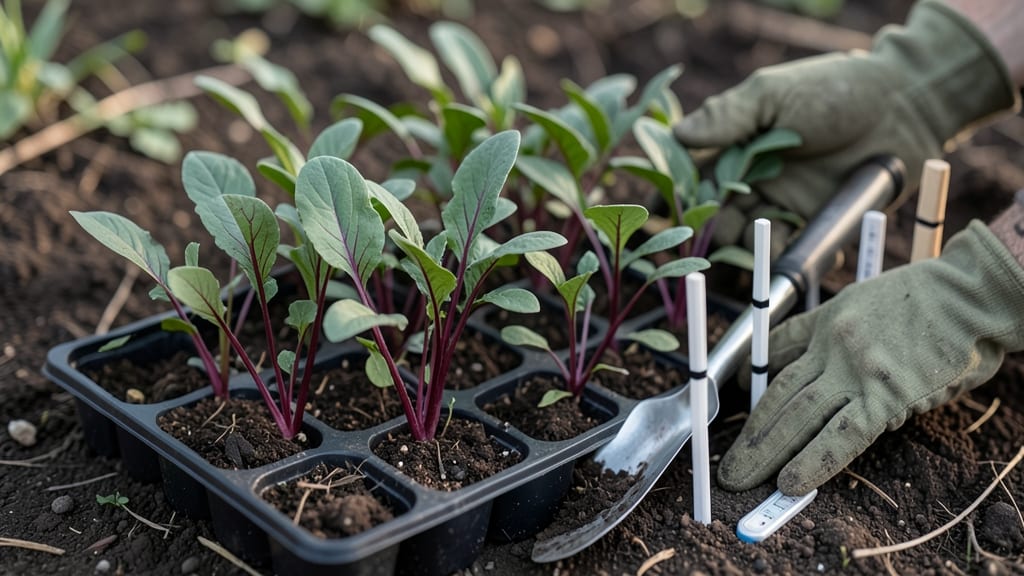
Planting beets in Utah means timing your seeds right to beat the 5b-7b zone frosts and avoid the summer heat — the key to a steady harvest from May to October.
Utah’s unpredictable climate—from early spring frosts to scorching summer heat—can make planting beets a guessing game. But with the right timing and cold-hardy varieties, you can harvest sweet, tender 🍠 all season long.
The best window for planting beets in Utah is early spring (March to April) and late summer (August to September), when soil temperatures are cool but stable. This avoids bolting and gives roots time to mature before the heat sets in.
Below, I’ll break down the exact frost-free dates for Utah’s microclimates, the best beet varieties for your region, and how to extend your harvest with succession planting—so you’re never left without fresh, homegrown beets.
Best planting months for beets in Utah’s unique climate zones
Utah’s diverse climate—ranging from the high desert’s dry heat to the Wasatch Mountains’ chilly springs—means beet planting windows vary dramatically across regions. To maximize your harvest, timing is everything. Soil temperatures below 40°F can delay germination, while summer’s 90°F+ days cause bolting.
Let’s break down the ideal planting months for Utah’s five distinct microclimates.
First, understand that Utah spans USDA Zones 5b-7b, with frost-free dates shifting from early April in Southern Utah to late May in high-elevation Cache Valley.
Beets thrive when soil temps hit 45-55°F, making early spring and late summer the sweet spots. Succession planting every 2-3 weeks extends harvests, but avoid sowing when daytime highs exceed 80°F.
For Salt Lake Valley (Zone 6a), the last frost typically arrives by April 15, while the first frost hits October 15. This gives you a 180-day growing window—perfect for two planting cycles.
In Wasatch Front (Zone 6b), cooler nights delay soil warming, so start seeds indoors in March and transplant after April 1.
Southern Utah’s high desert (Zone 7a) sees earlier frost-free dates (March 20), allowing for February-March sowings. Meanwhile, Cache Valley (Zone 5b) gardeners must wait until May 1 to avoid late frosts, and Eastern Utah’s (Zone 6a) colder nights push planting to April 15.
| Utah Microclimate | USDA Zone | Last Frost Date | First Planting Window | Second Planting Window | Soil Temp for Germination |
|---|---|---|---|---|---|
| Salt Lake Valley | 6a | April 15 | March 15–April 1 | August 1–15 | 45–55°F |
| Wasatch Front | 6b | April 22 | March 20–April 10 | July 30–August 10 | 45–55°F |
| Southern Utah (High Desert) | 7a | March 20 | February 15–March 10 | July 15–August 5 | 50–60°F |
| Cache Valley | 5b | May 1 | April 15–May 1 | August 10–20 | 40–50°F |
| Eastern Utah | 6a | April 10 | March 25–April 15 | July 25–August 10 | 45–55°F |
In Southern Utah’s Zone 7a, where soil warms faster, you can start seeds as early as February 15 under row covers to jumpstart growth.
For Wasatch Front gardeners, prioritize shade cloth in late summer to prevent bolting when temps rise above 75°F. Eastern Utah’s cooler nights mean slower germination, so soak seeds overnight before planting.
For a fall harvest, aim to sow seeds by August 15 in most regions, allowing 60-70 days to maturity before the first frost.
In Cache Valley, extend this to September 1 due to later frosts. Succession plant every 2 weeks to ensure a steady supply—beets are one of the few veggies that sweetens after frost!
Pro tip: Use a soil thermometer to confirm temps before planting. If soil is below 45°F, wait or use black plastic mulch to warm it. High-altitude areas (above 6,000 ft) may need a 4-6 week head start indoors.
Always plant seeds ½ inch deep and 1 inch apart, thinning to 3 inches when seedlings emerge.
Remember, Utah’s unpredictable weather means flexibility is key. Keep a planting journal to track your local frost dates and adjust future schedules. With
Cold-hardy beet varieties that thrive in Utah’s early spring and late fall
When Utah’s early spring frosts linger or late fall chill arrives, the wrong beet variety will bolt or rot. But these 5 cold-hardy varieties are bred to handle Utah’s 5b-7b zone extremes while delivering sweet, tender roots from March through October.
For spring planting (March-April), focus on varieties with bolting resistance and quick maturity. In late summer (August-September), prioritize heat-tolerant types that mature before the first frost. Below, I’ll highlight the top performers, their flavor profiles, and exact planting strategies for Utah’s microclimates.
🌱 9/10 | 🍂 7/10
🌱 8/10 | 🍂 8/10
🌱 7/10 | 🍂 9/10
🌱 8/10 | 🍂 7/10
🌱 10/10 | 🍂 6/10
‘Detroit Dark Red’ is Utah’s most reliable spring variety, producing deep red, glossy roots with earthy-sweet flavor. Plant seeds ½-inch deep in well-drained soil by late March for harvests by June. This heirloom handles light frosts and thrives in Utah’s high-desert soils.
For late summer plantings (August), ‘Chioggia’ (aka candy-striped beets) shines. Its mild, sweet taste and striped patterns make it a crowd-pleaser. Sow seeds ¼-inch deep in moist, fertile soil and harvest before October’s first frost. The stripes fade slightly in heat but recover in cooler temps.
‘Boltardy’ is my top pick for Utah’s short season—it resists bolting even under long daylight hours (critical in Utah’s 14+ hour summer days). Its cylindrical shape stores well, and the deep red roots stay tender longer. Plant in early spring or late summer for dual harvests.
If you love colorful harvests, try the ‘Rainbow Mix’. This heirloom blend includes red, gold, and striped varieties, perfect for spring succession plantings. The mix handles Utah’s variable soils well and adds visual appeal to your garden. Direct-sow in March and July for staggered harvests.
For late fall extensions, ‘Golden’ beets are unbeatable. Their buttery-sweet flavor and yellow hue make them a favorite for roasting. Plant seeds by mid-August in well-amended soil to ensure roots mature before October’s first frost. Use row covers to push harvests into November.
Pro tip: Pair ‘Detroit Dark Red’ with ‘Boltardy’ for spring, and ‘Chioggia’ with ‘Golden’ for fall. This combo gives you sweet, tender beets from May through October—no summer gaps! 🌱