Plants
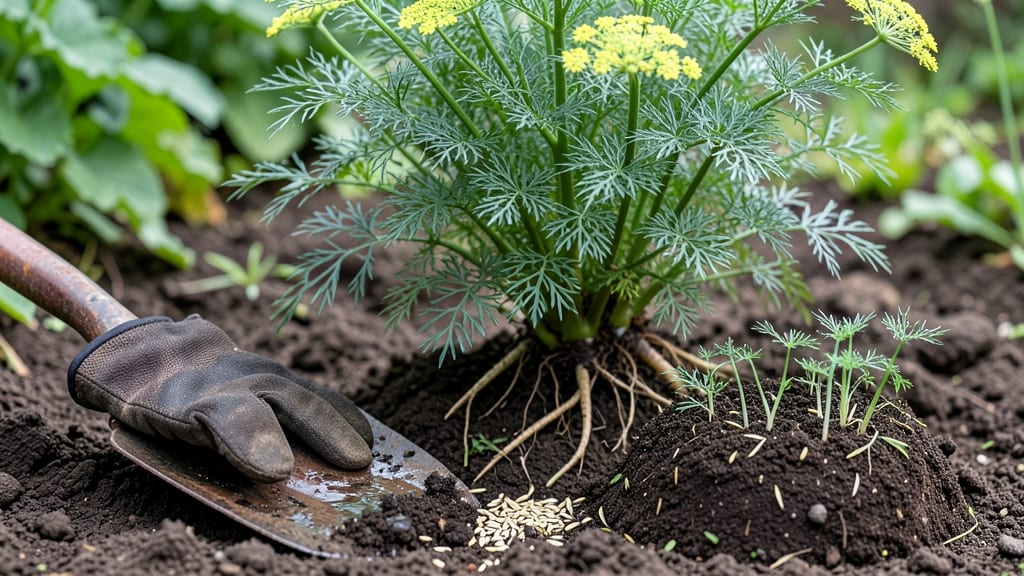
Planting dill in Texas requires precise timing to avoid frost damage and maximize your harvest, with the best window being late winter to early spring for a thriving 🌿 crop.
Texas gardeners know timing is everything—plant dill too early, and frost will kill your crop; too late, and you’ll miss peak harvest season. The key is aligning your planting with Texas’s variable frost dates, which can differ by weeks between North and South Texas.
In USDA Zones 8a-11, dill thrives when soil temperatures hit 50°F, typically by mid-March in Central Texas or early April in the Panhandle. For a fall harvest, late summer planting in August is your best bet, giving the plant time to mature before cooler weather arrives.
Below, I’ll break down the exact months for your region, container gardening tips, and how to stretch your harvest through Texas’s brutal summers—so you can enjoy fresh dill all season long.
Best months to plant dill in Texas for maximum growth
Texas gardeners face a unique challenge with dill cultivation—its delicate nature makes timing critical to avoid frost damage or summer stress. Unlike hardy perennials, dill thrives in cool seasons but bolts quickly when temperatures rise above 85°F.
The key is planting when soil temperatures hit 60-70°F for optimal germination, while avoiding late frosts that can devastate young seedlings.
Texas spans three distinct climate zones with varying frost dates: North Texas (USDA Zone 8a), Central Texas (Zone 8b-9a), and South Texas (Zone 9b-11). Each zone requires different planting strategies to maximize your dill harvest.
For example, North Texas gardeners must wait until mid-March to plant, while South Texas can start as early as late February without frost concerns.
Soil temperature is more important than air temperature for dill germination. Use a soil thermometer to confirm 60°F+ before sowing seeds. In Central Texas, this typically aligns with late February to early March, while North Texas may need to wait until mid-April in some years. For container gardening, soil warms faster, allowing you to plant 2-3 weeks earlier than in-ground.
Dill's heat sensitivity makes fall planting a game-changer in Texas. For a second harvest, sow seeds in late summer (August-September) to take advantage of cooler temperatures before the first frost.
In North Texas, aim for early September planting, while South Texas can extend planting until mid-October in milder microclimates.
Container gardening offers flexibility for urban Texas gardeners. Pots warm up faster than garden beds, allowing you to start seeds 2-3 weeks earlier in spring. Use 5-gallon containers with drainage holes and fill with well-draining potting mix.
Place containers in full sun (6+ hours daily) and keep soil consistently moist until germination (7-14 days at 60-70°F).
For maximum growth, pair dill with companion plants like cucumber or tomato, which benefit from its pest-repelling properties. Avoid planting near carrots or celery, as dill can stunt their growth.
In Central and South Texas, consider using shade cloth (30-50%) during peak summer months to prevent bolting and maintain leaf production.
Monitor your dill plants for heat stress signs, including yellowing leaves or premature flowering. If temperatures exceed 90°F for prolonged periods, provide afternoon shade and increase watering frequency to every 2-3 days.
In North Texas, late spring plantings may require row covers to protect seedlings from unexpected late frosts that can occur as late as April.
Remember that Texas microclimates vary dramatically—even within 50 miles. For example, Austin's Hill Country may have 2 weeks later frost dates than downtown Austin. Use local Cooperative Extension Service data or weather stations to fine-tune your planting schedule.
For zero-frost success, always plant after your average last frost date and be prepared to extend the season with shade or containers.
With the right timing, your Texas dill garden can produce aromatic
How to extend your dill harvest season in Texas heat
Texas summers can be brutal on dill plants, but with the right strategies, you can keep harvesting fresh dill leaves all season long. The key is succession planting, smart shade management, and precise watering techniques to combat the heat while maximizing your yield.
Even in USDA zones 8a-11, you can enjoy a fall harvest if you time it right.
Most gardeners focus on spring planting, but fall dill thrives in Texas when planted in late summer. By extending your harvest window, you’ll avoid the mid-summer heat stress that causes bolting and enjoy fresh dill well into November. Let’s break down the exact steps to make it happen.
For a continuous harvest, try succession planting every 2-3 weeks from August through September. This ensures you always have fresh dill while the older plants mature. In South Texas (zones 9-11), you can even plant a final batch in early October for a harvest before the rare frost.
If your dill starts to bolt prematurely, don’t panic. Simply harvest the seed heads for pickling or cooking—they’re still flavorful! For next year, consider container gardening with self-watering pots. This gives you more control over soil moisture and makes it easier to move plants to shadier spots during heatwaves.
With these techniques, you’ll enjoy fresh dill from spring through fall, even in Texas’s harsh climate. The secret? Timing, shade, and consistency—just like the pros do! 🌿