
Plants
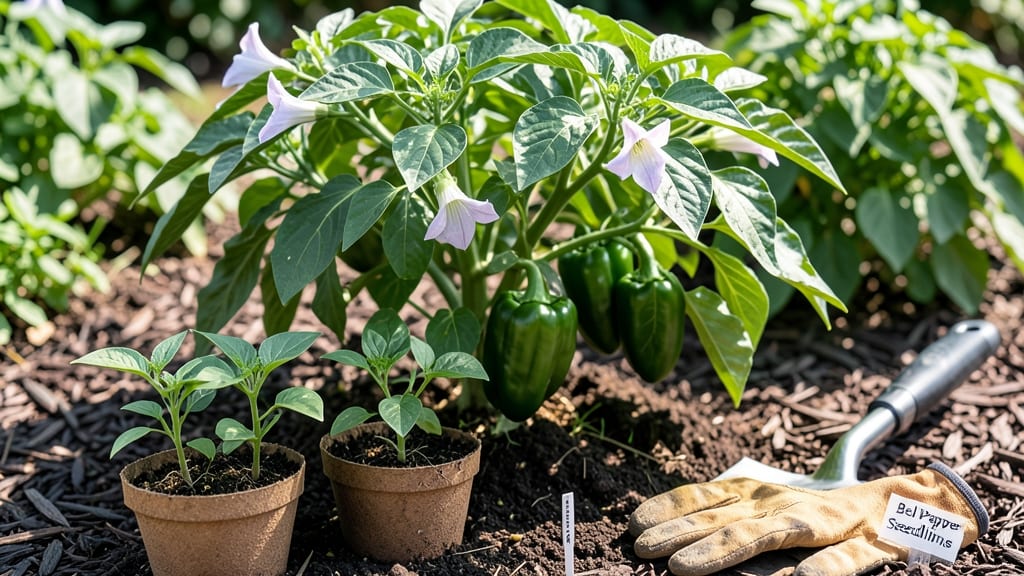
To plant bell peppers in Southern California, aim for late winter or early fall—when soil temperatures hit 60°F—to avoid heat stress or slow growth.
Southern California’s diverse microclimates—from coastal chill to inland heat—can turn bell pepper gardening into a hit-or-miss gamble if you plant at the wrong time. Get the timing right, and you’ll enjoy a bountiful harvest; get it wrong, and your plants may bolt or wilt before producing a single pepper.
Coastal areas like Malibu thrive with spring plantings in February or March, while inland valleys (think Riverside) do better with fall starts in August or September to escape summer’s brutal heat. The key? Match your planting window to your zone’s frost-free rhythm and soil warmth.
Below, I break down the exact planting windows for your region, soil prep secrets, and how to stretch your harvest season—whether you’re battling coastal fog or inland drought. Ready to grow 🌶️ like a pro?
Optimal bell pepper planting times by Southern California heat Zone
Southern California’s microclimates create a unique challenge for bell pepper growers. Coastal areas like San Diego (Zone 10-11) enjoy mild winters, while inland valleys such as San Bernardino (Zone 8-9) face hotter summers. Knowing the ideal planting windows for each zone ensures your peppers thrive year-round.
Unlike northern climates, Southern California rarely experiences frost, but soil temperature and heat intensity still dictate success. Bell peppers need warm soil (60°F+) to germinate and grow, making timing critical.
Plant too early in cooler zones, and your seedlings may struggle; plant too late in hot zones, and summer heat can stress plants before harvest.
Here’s how to align your planting schedule with your local heat zone for maximum yields:
For coastal gardeners, the spring planting window opens as early as February. Soil warms quickly in Zone 10-11, allowing you to transplant seedlings or direct-sow by late March. A fall planting in August–September works well too, as coastal nights stay mild enough for peppers to mature before winter.
Inland gardeners in Zone 8-9 should wait until late March to April for spring planting. The soil takes longer to warm, and transplanting too early can stunt growth. For fall plantings, aim for July–August to avoid the brutal summer heat that can cause bolting or fruit scorch.
Use black plastic mulch to raise soil temperatures by 5–10°F in both zones. This trick helps coastal gardeners start earlier and inland gardeners extend fall harvests. Pair it with drip irrigation to maintain consistent moisture without wetting leaves, reducing fungal risks.
Pro tip: Succession planting every 2–3 weeks in spring and fall ensures a continuous harvest. In coastal areas, you might squeeze in three planting cycles per year, while inland gardeners typically manage two cycles due to summer heat.
Monitor your local weather patterns—coastal fog can delay soil warming, while inland Santa Ana winds may dry out young plants. Adjust your schedule by 1–2 weeks based on these factors to keep your bell peppers thriving.
🌶️
How to extend your bell pepper growing season in Southern California
Southern California’s unique climate challenges—cool coastal nights and scorching inland afternoons—can make growing bell peppers feel like a balancing act. The good news? With the right strategies, you can extend your harvest window by months, whether you’re in Zone 10 coastal areas or Zone 9 inland valleys.
The key lies in adapting to your microclimate’s extremes.
For coastal gardeners, late spring plantings (March-April) paired with row covers can protect against chilly evenings, while inland gardeners should focus on fall succession plantings (August-September) to avoid summer’s peak heat. Both approaches require smart mulching, shade solutions, and water management to keep peppers productive.
🌱 5 Proven Strategies to Extend Your Bell Pepper Season
- 1. Coastal Areas: Use floating row covers (March-May) to shield from 40°F nights while allowing sunlight through.
- 2. Inland Areas: Install shade cloth (30-50%) during June-August to protect from 100°F+ heat.
- 3. Mulch Heavily: Apply 4-6 inches of straw to retain moisture and regulate soil temps—critical in both climates.
- 4. Succession Plant: Sow new seedlings every 2-3 weeks (spring/fall) for continuous harvests.
- 5. Drip Irrigation: Water early morning only to prevent fungal issues from evening moisture.
Let’s break down these strategies by climate zone. Coastal gardeners in Santa Barbara or San Diego can push their season 6-8 weeks earlier by combining row covers with black plastic mulch—this raises soil temps by 10-15°F, accelerating growth.
Inland gardeners in Riverside or Palm Springs should prioritize shade cloth and deep watering to prevent blossom drop during heatwaves.
For both zones, succession planting is your secret weapon. Instead of one big planting, stagger seedlings every 3 weeks from February-April (coastal) or August-September (inland). This ensures peppers mature at different times, giving you a continuous harvest from June through November—or even January if you’re coastal.
Pair this with companion planting (basil or marigolds) to deter pests and boost yields.
Don’t overlook the power of container gardening for late-season extensions. Move potted peppers to partial shade during summer’s peak and bring them back to full sun in fall. This flexibility lets you harvest through December in coastal areas where winter temps rarely drop below 50°F.
Just ensure containers have drainage holes and use lightweight potting mix to prevent root rot.
With these techniques, you’ll transform Southern California’s climate challenges into opportunities—turning short growing seasons into year-round pepper production. Start with one strategy this season, then layer them for maximum results. Your taste buds (and dinner table) will thank you! 🌶️